Have you ever been driving down the road when suddenly your car feels wobbly? This unsettling experience can leave drivers concerned about their vehicle’s safety and performance. Understanding why a car wobbles when driving is crucial for ensuring a smooth and secure ride.
Various factors can contribute to a car’s instability, and pinpointing the exact cause requires a detailed examination. Identifying common suspension issues is the first step in addressing the problem and restoring your vehicle’s stability.
Why Does Your Car Feel Wobbly?
When a car feels wobbly, it often indicates underlying mechanical issues that need immediate attention. A wobbly sensation may be caused by uneven tire wear, misalignment, or more serious problems within the suspension system. Regular maintenance and inspections can help prevent these issues from developing into major safety hazards.
Suspension components, such as shocks and struts, are integral to maintaining vehicle stability. When these parts fail, they may cause the car to feel unstable, especially at higher speeds or during turns. Identifying and addressing these suspension issues can alleviate the wobble and improve overall driving safety.
Common Causes of a Car Wobbling When Driving
Several factors might lead to a car wobbling when driving. One of the most common causes is tire imbalance. Tires that are not properly balanced can create a wobble, particularly noticeable at higher speeds.
Another potential cause is alignment issues. When a car’s wheels are not aligned correctly, it can lead to uneven tire wear and instability. Ensuring that all four wheels are aligned according to manufacturer specifications is essential in preventing a car from feeling wobbly.
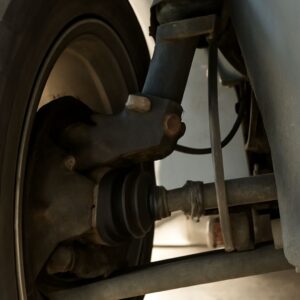
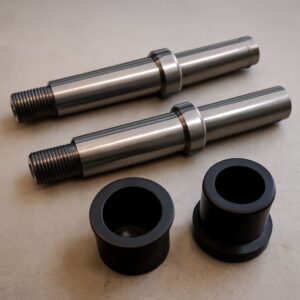
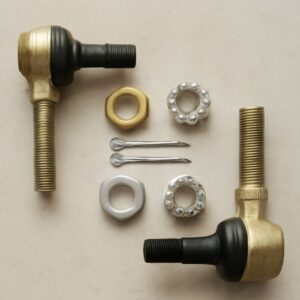
Additionally, worn suspension components, such as bushings, ball joints, and tie rods, can contribute to the problem. These parts play a crucial role in absorbing shocks and maintaining control, and their failure can result in a car that wobbles when driving.
How to Diagnose Suspension Problems
Diagnosing suspension problems requires a thorough inspection of the vehicle’s components. Start by checking the tires for uneven wear, as this could indicate alignment or balance issues. A visual inspection of the suspension system can also reveal worn or damaged parts that need replacement.
Listening for unusual noises, such as clunking or rattling, can help identify worn suspension components. Additionally, a professional mechanic may perform a test drive to assess the vehicle’s handling and pinpoint specific areas of concern.
For an accurate diagnosis, consulting a professional who can perform a comprehensive inspection is often the best approach. They can utilize specialized equipment to measure alignment, balance, and other factors that might be causing the car to feel wobbly.
Solutions for a Wobbly Car
Once the cause of the wobble is identified, targeted solutions can be applied. If tire imbalance is the culprit, having the tires professionally balanced can resolve the issue. Regularly rotating tires and maintaining proper inflation can also prevent future imbalances.
For alignment problems, a professional alignment service is recommended. Ensuring that the wheels are properly aligned will enhance driving stability and prolong tire life.
If worn suspension components are identified, replacing them with high-quality parts is essential. Using parts that meet or exceed manufacturer specifications ensures optimal performance and safety.
Regular inspection and maintenance of the suspension system are vital in preventing issues that cause a car to feel wobbly. Following professional best practices, such as those observed in reputable auto repair shops, can maintain vehicle stability and prolong the life of suspension components.
Engaging with a trusted professional for regular check-ups and following their recommendations can provide peace of mind and ensure that the car remains in optimal condition. This proactive approach can significantly reduce the risk of experiencing a wobbly ride.
Bottom line: Addressing a car that feels wobbly involves identifying the root cause, whether it’s tire imbalance, alignment issues, or worn suspension parts. Regular maintenance and professional inspections are key to ensuring a smooth and safe driving experience.