A parts catalog can offer several control-arm bushings for the same model year, and the pictures may look nearly identical. The difference could be the arm position, suspension package, or mounting design. Start with the vehicle’s exact specifications, then compare material and installation requirements before ordering.
A replacement kit for these pivots can be a good value, but only if it covers the parts you intend to service. Check the pieces against the car and the repair plan before booking the work.
Identify the pivot before comparing prices
A control arm links the wheel assembly to the vehicle structure while allowing the suspension to move. Its bushings act like flexible hinges: they locate the arm but absorb some vibration as it travels. A car may have upper and lower arms, and each arm can have more than one mounting point. Front and rear suspensions can use different designs altogether.
Write down the year, make, model, trim, engine, drivetrain, and VIN. The VIN helps a dealer or parts specialist check the vehicle’s original configuration; confirm any later suspension modifications separately. Match the listing to the front or rear axle, upper or lower arm, left or right side, and the particular forward or rearward mounting point on that arm. “Rear bushing” can describe a position on a front arm, so read the diagram rather than relying on that word alone.
For front control arm bushings, look for the manufacturer’s application notes on suspension options, production dates, and exclusions. Compare the part number with a vehicle-specific catalog or dealer parts diagram. If the listing conflicts with the car’s actual hardware, ask the supplier to resolve the discrepancy before ordering.
Measure with a purpose
A control arm bushing has to match both its housing and its mounting bolt. Where a supplier provides dimensions, compare the outside diameter of the shell, inside diameter of the sleeve, and overall and sleeve lengths with the original part. A caliper can help, but measure the correct surfaces and record the units. The old piece may be distorted or corroded, so use dimensions alongside the application listing rather than as the only evidence of fit.
Note the shape, orientation marks, offset sleeve, and any voids in the rubber. These features can affect how the arm moves under load. A photograph taken before removal helps identify orientation, but the vehicle service manual or part instructions should settle the installation direction. Never force a questionable part into place to see whether it fits.
Control Arm Bushing Kit: What Should Be in the Box?
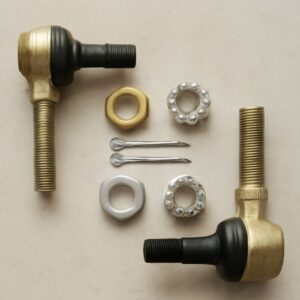
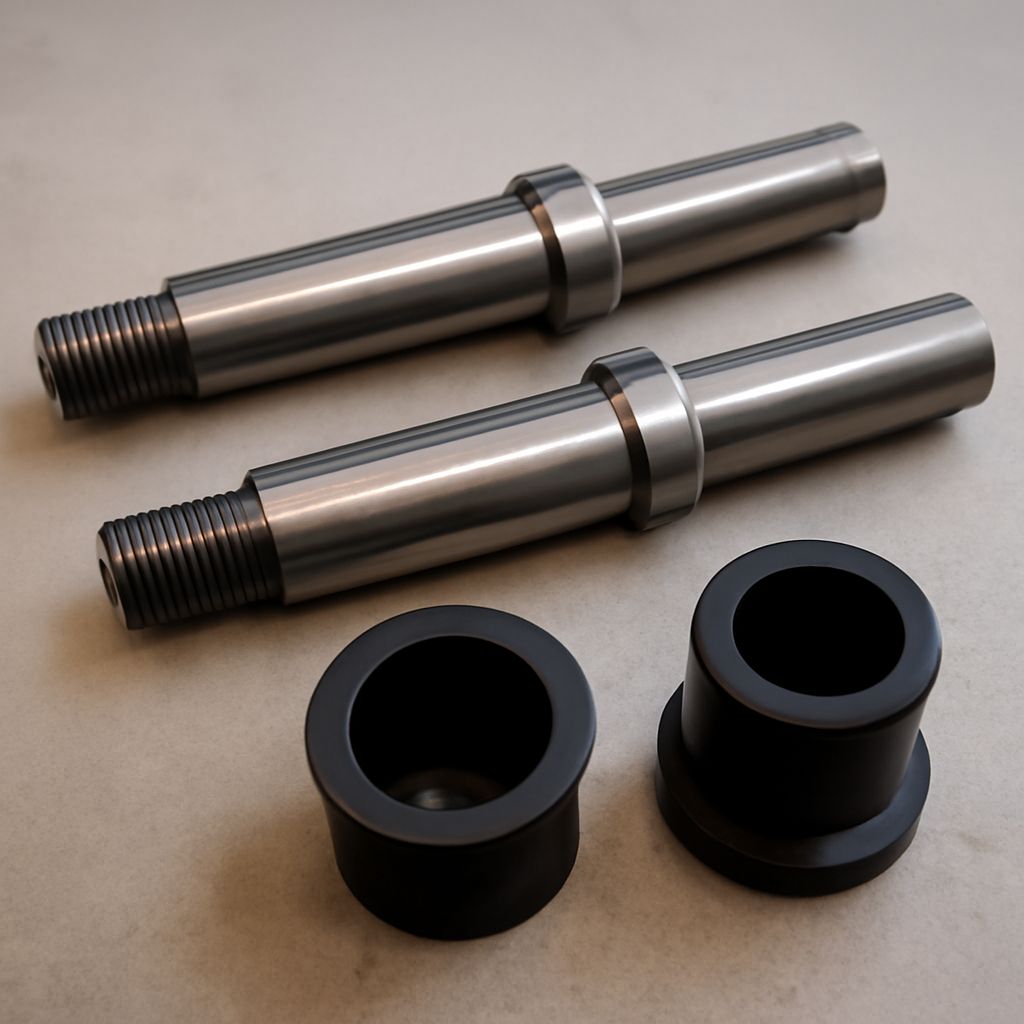
A control arm bushing kit may cover one arm, both sides, or only selected mounting points. Compare the parts diagram and quantity with your repair estimate. Check whether the package includes inner sleeves, outer shells, washers, new fasteners, grease, and instructions. A photo of several pieces does not establish that every required component is included.
A pivot-bushing set may reuse an original shell or require it to be removed. The answer depends on the specific design. For example, an Energy Suspension installation sheet calls for removing rubber from the original housing and lubricating specified surfaces. Other applications differ. Ask the installer which pieces will be reused and whether any single-use bolts must be purchased separately.
A replacement kit for the arm’s bushings can cost less in parts than a complete arm, but compare the installed price, too. Pressing out seized parts can consume labor, and some vehicles offer a complete replacement arm with bushings already fitted. If the arm itself is bent, corroded, or has another worn joint, replacing the assembly may make more sense. Get a quote for both approaches when both are available.
Rubber or polyurethane?
Original-equipment-style rubber is a sensible choice for a daily driver when a quiet ride and factory-like compliance matter. Bonded rubber flexes as the arm moves and generally needs no routine lubrication. Quality and design still vary, so select a reputable part made for the application rather than choosing solely by material name.
Polyurethane alternatives can offer a firmer feel, with less give under load, but may transmit more road vibration and noise. The difference depends on the compound, design, and vehicle; a firmer part is not automatically the best choice for a commuter. Some designs need lubricant on specified contact surfaces and may require future attention if noise develops. Follow the exact product instructions: Energy Suspension’s FAQ recommends its specified lubricant for its products, while individual instructions determine where it belongs.
For front lower-arm bushings on a comfort-focused car, start by comparing a quality rubber replacement with the original specification. For front upper-arm bushings on a modified car, discuss the intended driving and maintenance with the supplier. Changing one pivot’s stiffness can change how the suspension feels; consider the rest of the setup as well.
Recognize symptoms and plan installation
Clunks over bumps, steering that feels loose, uneven tire wear, or a change in braking or cornering behavior can prompt an inspection. A sound alone cannot identify the failed component: ball joints, links, struts, tires, and other parts can produce overlapping symptoms. A technician can inspect the suspension for damaged rubber, separation, or excessive movement and assess the surrounding joints before recommending parts.
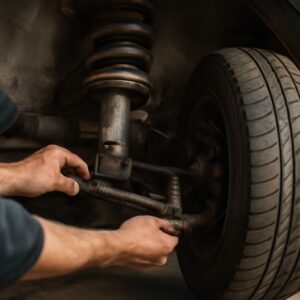
If steering feels unstable, the vehicle pulls severely, or a suspension part appears loose, stop driving and arrange a professional inspection or tow. Avoid putting yourself under a car supported only by a jack. You can check listings and photograph visible components yourself; removing an arm, controlling spring loads, and pressing bushings safely require the correct equipment and vehicle-specific procedure. If you lack either, have a qualified shop do the installation.
A control arm bushing replacement also calls for the specified fasteners, torque values, and tightening position. Some bonded designs must be tightened at normal ride height to avoid twisting the rubber at rest; follow the service manual for your car. Ask the shop whether an alignment is required after the work. The Energy Suspension sheet linked above calls for a four-wheel alignment for that particular application.
Before ordering, place your VIN-confirmed vehicle details beside the supplier’s part number and diagram, then verify that every piece in the box matches the exact arm and pivot you plan to repair.