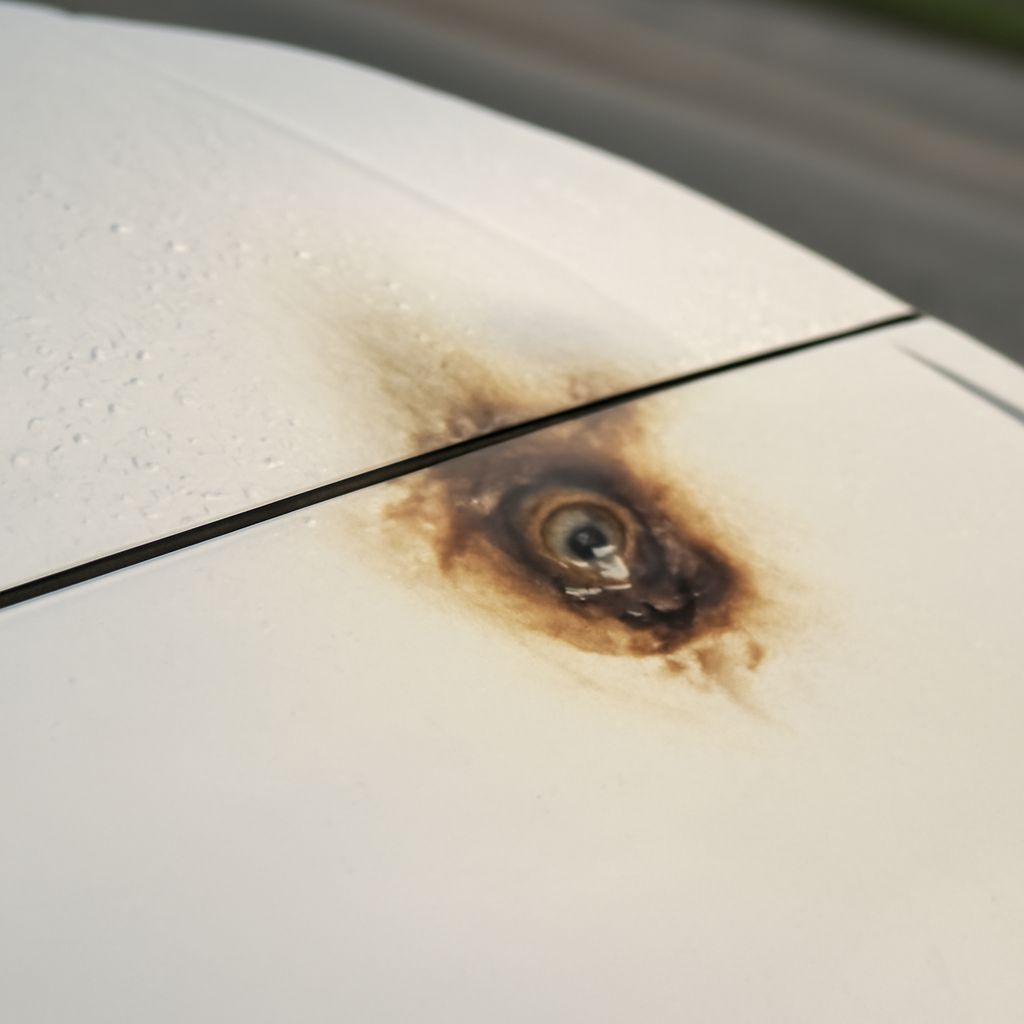
What really happens if lightning strikes a car, and is it possible to get struck by lightning in a car during a thunderstorm? These questions are crucial for anyone concerned about lightning safety when caught on the road. With dramatic stories and common misconceptions circulating, understanding the actual risks and safety mechanisms is essential for every driver.
When a car is struck by lightning, many wonder if being in a car hit by lightning is truly safe, or if the metal shell offers real protection. This article explains the science of why cars get struck, details the physical effects on vehicles, and clarifies what occupants can expect—including practical guidance on what to do if your car becomes a target during a storm.
Why Cars Get Struck by Lightning: The Science Behind It
Lightning follows the path of least resistance to reach the ground, and during a thunderstorm, vehicles—especially those made of metal—can become unintended conduits. Traditional wisdom points to the “Faraday cage” effect, where the car’s metal frame conducts the electrical current around occupants and safely into the ground. However, this protection only applies to enclosed vehicles with a continuous metal roof and sides; convertibles or vehicles with fiberglass structures provide much less shielding.
The shape and size of a car also play a part in attracting lightning. Taller objects isolated in open spaces, such as cars on highways or parking lots, are more likely to be struck by lightning. While the rubber tires of a car provide some insulation, they are not what prevents injury during a lightning event—contrary to popular belief. Instead, the primary role of the car body is to direct the electrical energy away from the passenger compartment.
Scientific consensus agrees that while cars do get struck by lightning, injuries are rare when all metal parts are properly connected and occupants avoid touching conductive surfaces during a storm. It’s important to note that damage to the vehicle’s electrical systems, paint, and tires is still common, and can be costly to repair even if occupants remain unharmed.
What Happens If Lightning Strikes a Car: Step-by-Step Effects
When lightning makes contact with a car, the current travels across the metal exterior, rapidly seeking the shortest route to the earth. This is why occupants within a car struck by lightning are generally spared from direct electrical injury—provided they avoid direct contact with doors, handles, or radio controls connected to the exterior metalwork.
The immediate impact often produces a loud bang and bright flash, potentially startling those inside. Simultaneously, the car’s electrical and onboard computer systems may be disrupted or permanently damaged. Common effects include blown-out tires due to the extreme heat generated at the point where the lightning exits the vehicle, scorch marks, shattered windows, and malfunctioning electronics. In rare cases, fire hazards may arise if flammable materials or fuel systems are compromised.
It’s not unheard of for vehicles to become temporarily disabled, leaving occupants stranded during severe weather. Professional assessment and maintenance are always recommended after such an event, as unseen damage can threaten both vehicle reliability and safety.
Can You Get Struck by Lightning in a Car? Myths and Realities
Despite persistent myths, the risk of being directly struck by lightning inside a car is extremely low. The popular notion that being in a car hit by lightning is dangerous stems from misunderstanding the car’s protective mechanisms. While the vehicle may sustain considerable damage, the passengers are shielded by the metal enclosure, as long as they remain insulated from conductive surfaces.
However, indirect injuries can still occur, particularly if occupants are handling plugged-in devices, touching metal components, or if the vehicle has non-metallic parts reducing its shielding effect. It’s also a myth that rubber tires are what keep drivers safe; their insulating properties are negligible against a lightning strike’s voltage.
Safety professionals and salon standards agree: the car’s structure is what protects, not its tires. Accidental injuries in vehicles hit by lightning are rare but possible, making awareness and correct behavior during storms vital for minimizing electrical risks.
How to Stay Safe If Your Car Is Hit by Lightning
The best practice during a storm is to remain inside a fully enclosed vehicle, hands off metal objects and electronic devices until the danger passes. If you suspect your car has been struck, wait until the storm subsides before exiting, as electrical charge may linger or hazardous conditions may persist outside.
After a lightning event, visually inspect for signs of damage such as melted antennas, cracked windows, or impaired electrical functions before attempting to drive. Contact a professional mechanic to fully evaluate potential structural or electrical issues. Never attempt to touch or handle damaged components yourself, as residual electricity or mechanical failures may pose additional risks.
Ongoing maintenance is essential for cars exposed to lightning. Regularly check grounding connections, fuses, and onboard electronics, especially after severe storms, to ensure continued effectiveness of the car’s protective features.
Next steps: Drivers should incorporate lightning safety awareness into their emergency planning. Stay informed about weather conditions, avoid open or elevated parking during storms, and schedule prompt inspections if your car is struck by lightning to maintain the highest standard of safety on the road.