Have you ever wondered, “Why does my car pull to the right?” It’s an unsettling feeling when your vehicle seems to have a mind of its own, drifting to one side. Whether it’s a subtle tug or a strong veer, understanding the reasons behind this behavior is crucial. The issue can stem from various factors, including alignment problems and suspension issues, which can affect both safety and comfort during your drive.
Addressing a car that consistently pulls to the right involves more than just a simple fix. It requires a keen understanding of the underlying causes and the appropriate steps to resolve them. Let’s explore these elements to help keep your drive smooth and secure.
Understanding Why Your Car Pulls to the Right
A car pulling to the right can be a perplexing issue. This phenomenon often relates to the complex interplay between the vehicle’s alignment, suspension, and tire conditions. Alignment problems, for example, may cause uneven tire wear, leading to the car’s drift. On the other hand, suspension issues might result in an imbalance that affects the vehicle’s stability.
These factors are interconnected, and identifying the exact cause requires careful observation and analysis. Understanding these components will lay the groundwork for effective troubleshooting.
Common Causes Behind the Pull
Several common causes might lead to your car pulling right. One primary factor is alignment problems. Misaligned wheels can create uneven forces, pushing the car in unintended directions. Tire conditions, such as pressure imbalances or uneven wear, can also influence the vehicle’s trajectory.
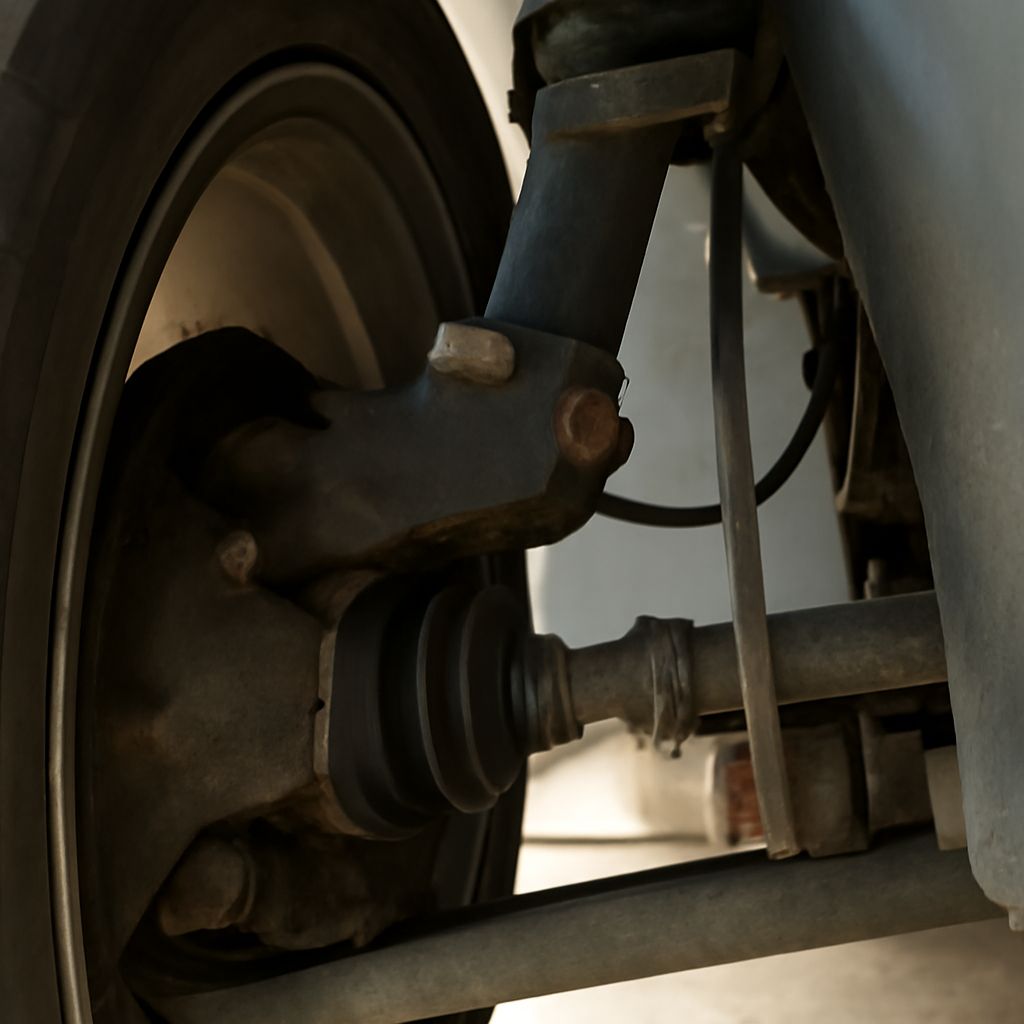
Suspension issues might be another culprit. Worn or damaged suspension components can affect the car’s balance, causing it to lean and pull. Identifying these problems early will prevent further complications down the road.
How to Diagnose the Issue
Diagnosing why a car pulls to the right involves a systematic approach. Start by checking tire pressure and condition. Uneven wear patterns or low pressure in one tire might signal a problem. Inspect the alignment by driving on a straight road and observing any drift.
For suspension issues, listen for unusual noises or feel for vibrations while driving. These signs might indicate worn suspension components. If these preliminary checks don’t reveal the cause, further professional inspection may be needed.
Steps to Fix a Car That Pulls Right
Fixing a car that pulls to the right can often be achieved through a series of targeted interventions. Begin with a wheel alignment to address any alignment problems. This straightforward procedure realigns the wheels, ensuring they work in harmony.
Next, examine and adjust the tire pressure, replacing any tires that show uneven wear. If suspension issues are identified, consider replacing worn parts such as shock absorbers or springs. These steps, when executed carefully, can restore your car’s proper handling.
When to Seek Professional Help
While some issues can be addressed at home, professional intervention may be necessary for more complex problems. If the car continues to pull to the right despite attempts to fix it, or if there are signs of significant suspension issues, it may be time to consult a professional mechanic.
Professionals can conduct thorough diagnostics, using specialized tools to pinpoint exact problems. Relying on their expertise ensures that the vehicle is repaired to meet safety and performance standards.
Bottom line: A car that pulls to the right can be more than a minor inconvenience. Whether it’s due to alignment problems or suspension issues, addressing these factors ensures a smooth and safe driving experience. Knowing when to take action and when to seek professional help can make all the difference in maintaining your vehicle’s performance.