Have you ever wondered why a whirring sound in car starts suddenly while you’re behind the wheel? This unsettling noise can catch any driver off guard, raising concerns about the vehicle’s health and reliability. Whether the sound appears during acceleration, while coasting, or at specific speeds, it often signals an underlying mechanical issue that shouldn’t be ignored.
Many drivers discover the problem when their car making whirring noise when driving becomes persistent or louder over time. Ignoring these sounds can risk further damage, especially if they originate from drivetrain components. Recognizing, diagnosing, and addressing the source early is key to ensuring both safety and long-term performance.
Why Is My Car Making a Whirring Sound?
When a vehicle emits a whirring sound, it usually points to moving parts that are experiencing friction, wear, or improper lubrication. The car’s drivetrain contains several components—such as bearings, gears, and shafts—that can be prone to producing such noises. In some cases, worn-out or misaligned parts can cause a steady or oscillating whirr, especially as the car’s speed changes.
There are various scenarios where a whirring sound in car becomes noticeable. For example, a noise that increases with vehicle speed often indicates drivetrain issues, while a whirring present only during turns may suggest problems with wheel bearings or differential gears. Drivers should also pay attention to the conditions under which the sound appears, like during acceleration, deceleration, or when shifting gears.
Professional repair facilities follow established standards to diagnose and address unusual noises. Their expertise lies in distinguishing between harmless operational sounds and those pointing to serious drivetrain issues. Early detection and prompt intervention can prevent minor issues from escalating into costly mechanical failures.
Main Causes of Whirring Sound in Car Drivetrain
The most common sources for a whirring sound in car drivetrain include worn bearings, damaged gears, and insufficient lubrication. Wheel bearings, for instance, tend to emit a droning or whirring as they degrade, especially at higher speeds. Similarly, transmission bearings or gear sets can generate a continuous sound if there’s excessive friction or play in the assembly.
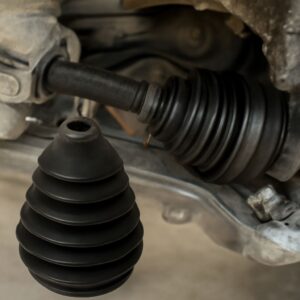
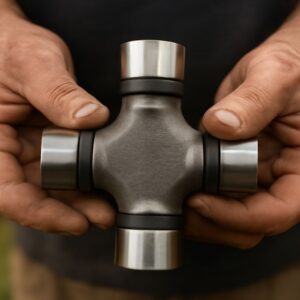
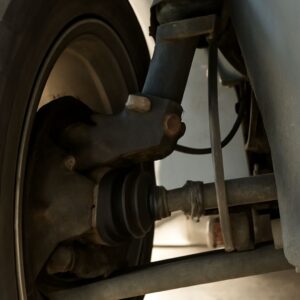
Another frequent culprit for car making whirring noise when driving is differential wear. This can happen when gear teeth are chipped or the lubricant becomes contaminated, leading to metal-to-metal contact. Failing universal joints or CV joints can also contribute to repetitive whirring, often accompanied by vibrations or clicking during turns.
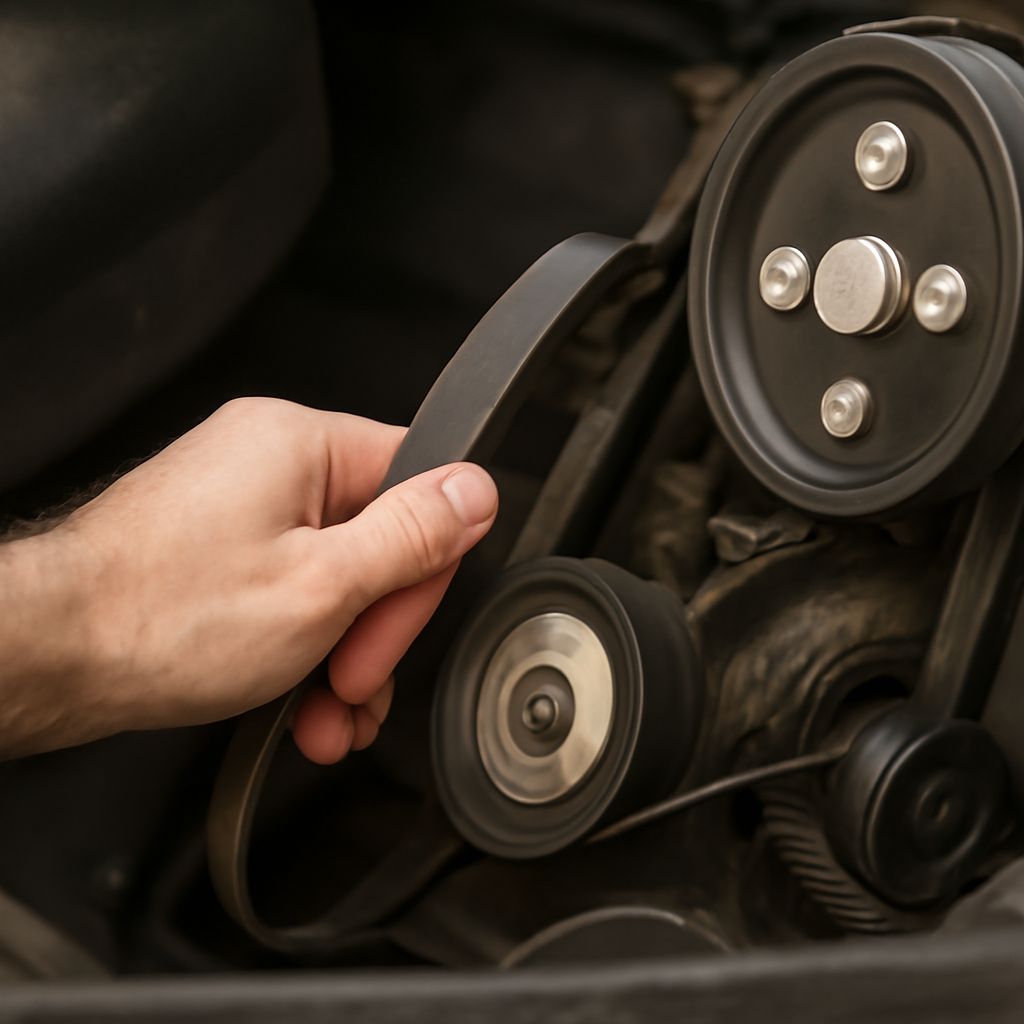
Loose or misaligned drive belts sometimes mimic drivetrain issues by producing a high-pitched whirr. However, these are generally easier to isolate and repair. In all cases, addressing the root cause quickly minimizes the risk of further damage to the drivetrain or adjacent systems.
How to Diagnose a Car Making Whirring Noise When Driving
Begin diagnosis by noting when and how the noise occurs. A whirring sound in car that changes with vehicle speed usually points toward rotating components, such as wheel or transmission bearings. If the noise persists when the vehicle is in neutral and rolling, focus attention on the wheels and axles.
Test drives on quiet roads can help pinpoint the location of the sound. Carefully listen for changes during acceleration, coasting, turning, and braking. Physically inspecting drivetrain parts—feeling for excess heat or movement in bearings and joints—can also uncover worn or failing components.
For those less experienced with vehicle repairs, professional technicians employ specialized tools like automotive stethoscopes or chassis ears. These help isolate the source of a car making whirring noise when driving and ensure targeted repairs. General best practices dictate thorough visual and mechanical checks before attempting any repairs or part replacements.
Easy Fixes and When to See a Mechanic
Some causes of whirring sounds—like loose belts or low lubricant levels—can be addressed with basic maintenance. Tightening a serpentine belt, topping off differential fluid, or replacing an air filter may eliminate simple sources of noise. However, persistent or worsening whirring sounds typically indicate the need for professional attention, especially if linked to the drivetrain.
If a whirring sound in car seems to be coming from deep within the drivetrain, avoid long drives until the issue is resolved. Ignoring severe noises can lead to sudden failures, such as seized bearings or stripped gears, which are far more costly and hazardous. Proper repairs often require equipment and expertise beyond basic DIY skills.
Professional mechanics can identify and repair complex problems, ensuring correct fitment and alignment of drivetrain components. Their adherence to standard repair protocols helps restore quiet, reliable operation and maintain vehicle safety.
Preventing Future Whirring Sounds in Your Car
Routine maintenance is the most effective way to avoid a car making whirring noise when driving. Regularly check and change lubricants in the transmission and differential, inspect wheel bearings for play, and replace belts at recommended intervals. Address any minor noises or vibrations before they worsen.
Maintaining proper tire inflation and alignment also reduces undue stress on drivetrain parts. Following the manufacturer’s service schedule and using quality replacement parts helps keep the vehicle running smoothly and minimizes the risk of unwanted sounds.
Next steps: Stay attentive to your vehicle’s sounds and address unusual noises promptly. Schedule regular inspections and seek professional advice if drivetrain issues arise. Preventative care ensures a safer, quieter driving experience.