Two exhaust joints can have pipes of the same diameter and still need different seals. One may use a flat gasket between two flanges; another may use a shaped ring in a joint designed to move. Identify the connection and its sealing surfaces before ordering the replacement.
The gasket at an exhaust flange must match the joint, not just the pipe. A flange for a 3-inch exhaust may have a different bolt pattern or sealing shape from another part with the same advertised size. A catalog lookup, supported by the vehicle or exhaust system documentation, helps narrow the choice.
Find the Joint That Needs Attention
Trace the exhaust system from the engine toward the tailpipe using a diagram for your vehicle. A connection may be at the cylinder head and manifold, manifold outlet, converter inlet or outlet, a pipe junction, or another component. Record which two parts meet there and which side or bank is involved when the vehicle has more than one exhaust branch.
An exhaust manifold flange at the cylinder head has a different job and shape from a pipe-to-converter joint farther downstream. A catalog may list several gaskets for the same car, each identified by location. The vehicle identification number, engine, emissions configuration, and production details can help a supplier distinguish them.
If the exhaust has aftermarket components, the original vehicle catalog may no longer describe that joint. Find the exhaust manufacturer’s part number and instructions as well. A replacement pipe or modified connection may have its own gasket and hardware specification even when it attaches to an otherwise standard system.
A ticking sound, soot around a joint, or an exhaust smell can suggest a leak, but the source needs confirmation. Fel-Pro notes that exhaust gaskets help keep hot gases out of the vehicle. Arrange an inspection promptly if you suspect a leak; if fumes enter the cabin, stop driving and seek assistance. Let the exhaust cool before any close inspection.
3 Inch Exhaust Flange: What the Size Does and Does Not Tell You
A 3 inch exhaust flange listing usually refers to a nominal pipe size, but the seller’s drawing should say exactly what is being measured. Pipe outside diameter, inside diameter, gasket opening, and bolt spacing are separate dimensions. A gasket must fit the intended sealing face and avoid obstructing the exhaust passage.
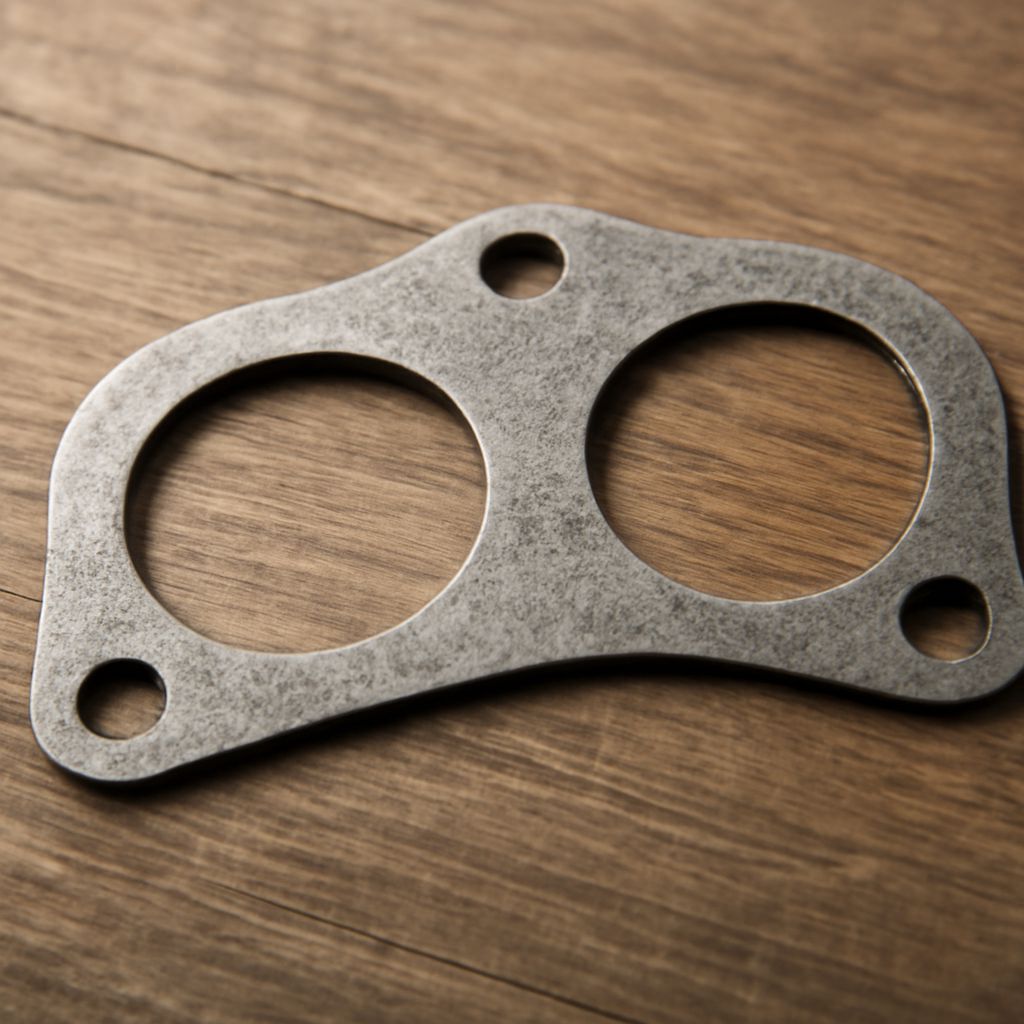
For a three-inch exhaust flange, check the shape of the flange, number of bolt holes, their spacing and diameter, the opening, and the sealing profile. Compare the drawing with the actual joint and the component maker’s specifications. A round opening alone does not distinguish a two-bolt oval flange from a three-bolt triangular one.
The dimensions of a 3-inch exhaust connection are only one part of the match. The flanges must also align without forcing the pipes into position, and the gasket’s material and construction must be specified for the joint’s temperature and movement. Ask a parts specialist or exhaust shop to verify the complete combination when a listing gives only a nominal size.
A universal exhaust flange can be useful for a compatible custom repair, but “universal” does not mean it bolts onto every system. Confirm its dimensions, attachment method, and relationship to the mating flange. A fabricated repair may require professional fitting and additional parts; compare that work with an application-specific replacement before buying.
Identify the Sealing Shape and Surface Condition
A flat joint clamps a flat gasket between mating faces. Other joints use a ring or donut-shaped seal seated in a formed surface, sometimes with springs that accommodate movement. Fel-Pro describes flat and ring-style exhaust gaskets. Choose the style specified for the joint rather than substituting one that merely fits over the pipe.
Inspect both mating surfaces once they are accessible and cool. Corrosion, deep pitting, cracks, bent ears, missing metal, or distortion can prevent an even seal. A new exhaust flange gasket cannot reliably compensate for a badly damaged flange. Ask the shop whether the surface can be restored within the manufacturer’s specifications or whether the flange or adjoining component needs replacement.
A gasket for the exhaust flange is only part of the sealing system. Alignment, the condition of studs or bolts, and the way the joint is supported also matter. Broken hangers can leave the exhaust pulling on a connection; a shop inspecting a leak should check the nearby supports as well as the gasket.
Do not assume the old seal can be reused. Consult the vehicle or component manufacturer’s procedure and the gasket maker’s instructions for that part. The same applies to sealants: use only what the applicable instructions call for, rather than adding a product to make an uncertain fit work.
Check Hardware and the Complete Repair
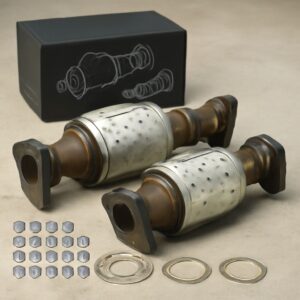
Count the fasteners and identify any studs, nuts, springs, sleeves, or washers specified for the joint. Some connections use spring hardware to maintain the intended load while allowing movement. A gasket sold alone may not include those parts. Ask whether an application-specific hardware kit is available and which pieces the service procedure requires replacing.
A manifold exhaust flange can also have seized or damaged studs, making a simple gasket estimate incomplete. Ask the shop to identify the likely access work and how it will contact you if the metal or hardware is damaged after disassembly. Walker notes that improper flange tightening can contribute to leaks and damage; the installer should use the applicable sequence and specifications.
When comparing quotes, confirm that each includes the same joint, gasket, hardware, labor, and inspection of related supports. If a converter or pipe is being replaced, check whether its manufacturer supplies a seal and whether a separate kit is required. This avoids ordering duplicate pieces or discovering a missing spring on repair day.
Choose the Part for the Joint
For an original exhaust connection, start with the vehicle-specific catalog and confirm the exact location and gasket part number. For an aftermarket or modified system, use that system’s documentation and match its sealing shape, dimensions, and hardware. If the sealing surfaces are damaged or the catalog remains ambiguous, have the joint inspected before ordering. The right seal is the one specified for those mating parts in their actual condition.