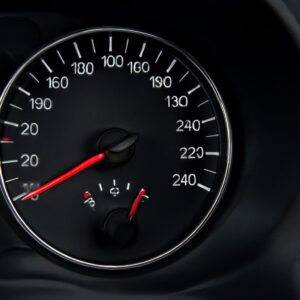
Have you ever wondered, “Why does my car feel sluggish when accelerating?” A car that feels sluggish can be frustrating and even worrisome. Whether you’re merging onto a highway or simply navigating through city traffic, you want your vehicle to perform efficiently. When your engine fails to respond, it can be a sign of underlying issues that need attention.
Understanding why your car feels sluggish is the first step towards finding a solution. From engine troubles to transmission problems, various factors might contribute to this condition. By exploring common causes and effective fixes, you can restore your vehicle’s performance and ensure a smoother drive.
Why Your Car Feels Sluggish When Accelerating
Experiencing a sluggish car can stem from multiple sources. Often, this sluggishness is a result of poor fuel quality, inadequate air intake, or malfunctioning sensors. Each of these components plays a significant role in how your engine performs. Identifying the exact cause is crucial to ensure proper functioning and to avoid more severe issues.
A car feels sluggish when accelerating due to these components having a direct impact on the engine’s ability to produce power efficiently. When any part of this intricate system is disrupted, it affects the overall performance, leaving your car struggling to gain speed.
Common Causes of a Sluggish Car
Several common problems lead to a sluggish car. Faulty spark plugs, clogged fuel filters, and dirty air filters are frequent culprits. These elements impact the combustion process and the engine’s ability to generate power.
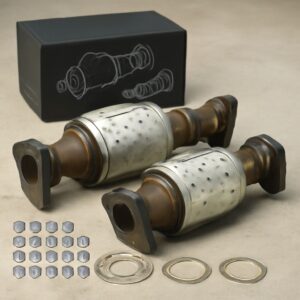
Additionally, issues like a failing catalytic converter or malfunctioning oxygen sensors can cause a car to feel sluggish when accelerating. These parts are essential for maintaining the right air-fuel mixture and ensuring that the engine runs smoothly.
How to Diagnose and Fix a Sluggish Car
Diagnosing a sluggish car requires a systematic approach. Start by checking the basic components: inspect the air filter, fuel filter, and spark plugs. Replacing these parts might resolve the issue if they’re worn or damaged.
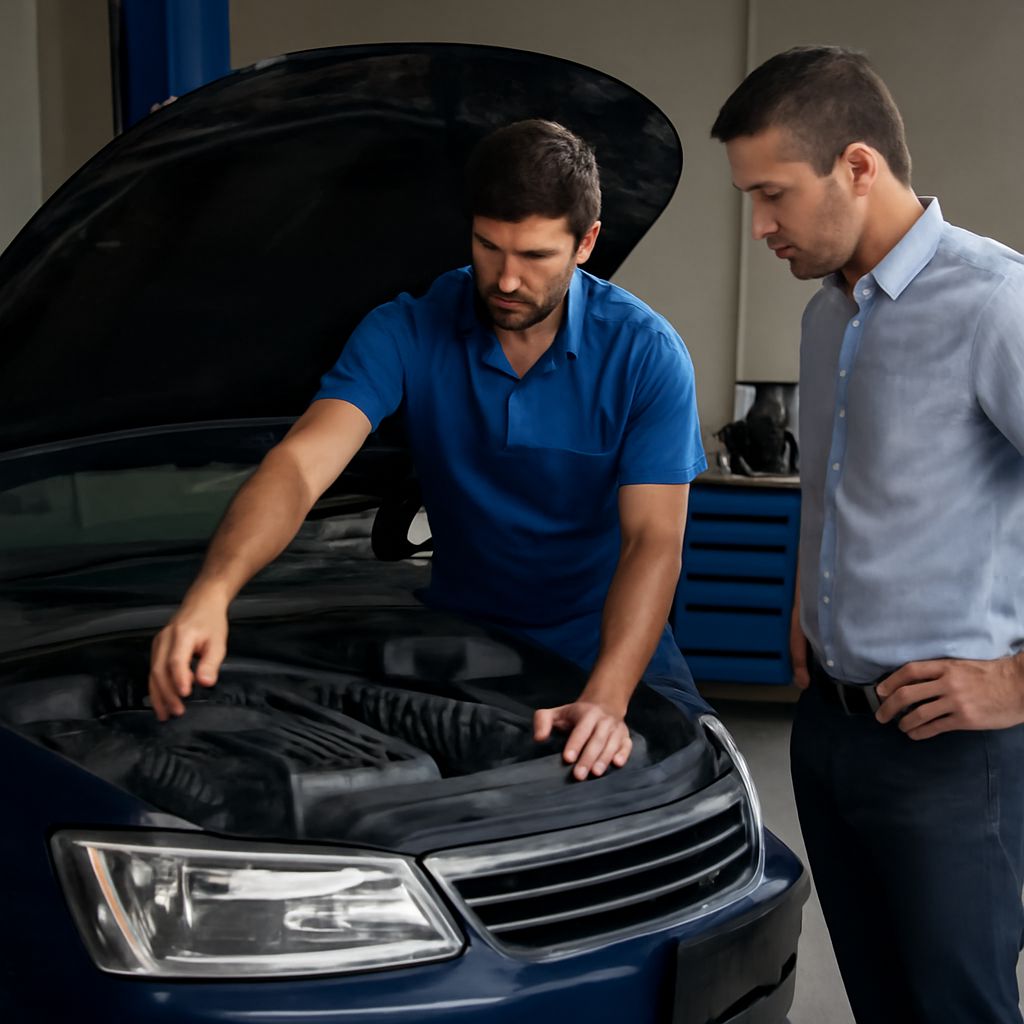
For more complex problems, such as issues with the catalytic converter or oxygen sensors, professional diagnostic tools may be needed. Consulting with a qualified mechanic can provide insights and ensure that the underlying problems are accurately identified and addressed.
Once the cause is determined, appropriate repairs or replacements can restore your vehicle’s performance, making it less likely for your car to feel sluggish when accelerating in the future.
Preventive Maintenance Tips
Preventing a car from feeling sluggish involves regular maintenance. Keeping up with scheduled oil changes, filter replacements, and system checks can prevent many common issues.
Monitoring fuel quality and avoiding contaminants can also make a significant difference. Regularly inspecting and cleaning essential components will help maintain the engine’s efficiency and prevent sluggishness.
Establishing a preventive maintenance routine not only enhances vehicle performance but can also extend your car’s lifespan, ensuring reliability and safety on the road.
Bottom line, a car feels sluggish when there are underlying mechanical issues, but understanding the causes and solutions can help restore performance. Regular maintenance and timely repairs ensure that your vehicle responds efficiently and provides a smooth driving experience.