Have you ever noticed unsightly scratches on your car and wondered how to get a scratch out of a car without spending a fortune at the body shop? Keeping your car’s exterior free of blemishes is not only important for its aesthetic appeal but also for maintaining its value. Fortunately, there are effective techniques to remove car scratches that you can do yourself with common tools and products. This guide will walk you through the necessary steps to get rid of scratches on your car and provide tips on preventing future damage.
Understanding Car Scratches
Car scratches can vary in severity, ranging from surface-level abrasions to deep gouges that penetrate the paint. The depth of the scratch determines the method needed to address it. Surface scratches often affect only the clear coat layer, while deeper scratches can cut through the base paint or even reach the primer layer. Identifying the type of scratch is the first step in determining how to effectively remove car scratches.
Before tackling a scratch, assess its depth by running your fingernail across it. If your nail catches, the scratch may be deeper, requiring more intensive repair techniques. For lighter, surface-level scratches, simpler solutions, such as polishing compounds, may suffice.
What You Will Need
To get rid of scratches on your car, you will need a few essential tools and materials. These include:
- Car washing supplies (soap, water, and microfiber cloths)
- Polishing compound or scratch remover
- Sandpaper (2000 to 3000 grit) for deeper scratches
- Car wax or sealant for finishing
- A buffer or polishing pad (optional but recommended)
Ensuring you have all these supplies beforehand will streamline the repair process and help achieve the best results.
Step-by-Step Guide to Remove Car Scratches
Follow these steps to effectively remove car scratches:
- Clean the Area: Start by thoroughly washing the area around the scratch to remove any dirt or debris. This prevents further scratching during the repair process.
- Assess the Scratch: Determine the depth of the scratch as described earlier. For light scratches, skip to step four.
- Sand the Scratch: If the scratch is deeper, gently sand it with wet sandpaper. Move in a circular motion, and be cautious not to sand too aggressively, which can damage surrounding paint.
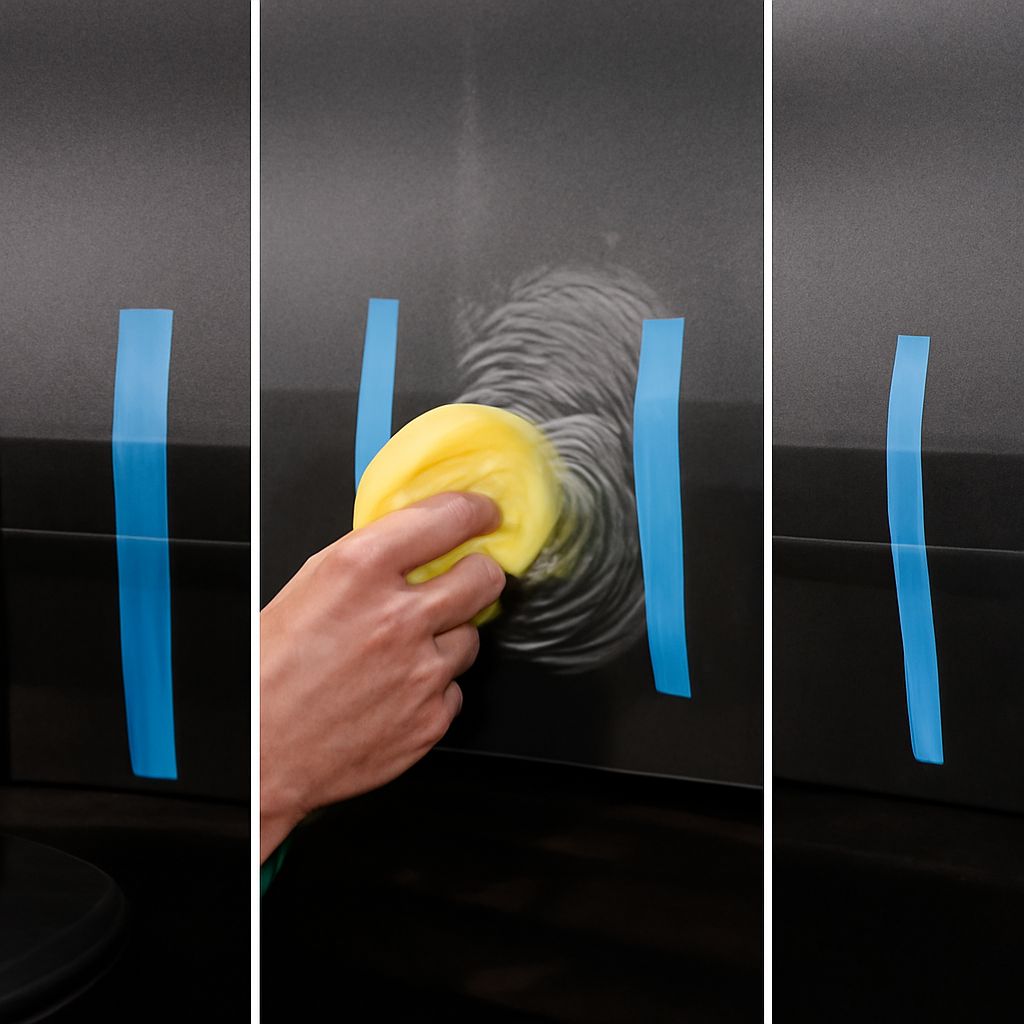
- Apply Polishing Compound: Use a polishing compound or scratch remover on the scratched area. Apply it with a microfiber cloth using circular motions until the scratch is no longer visible.
- Buff the Area: If you have a buffer or polishing pad, use it to evenly buff the area. This step helps to blend the repair with the surrounding paint.
- Wax the Surface: Finally, apply a coat of wax or sealant to protect the repaired area and restore shine. This step also helps to prevent future scratches.
Executing these steps with patience and precision will help you effectively get rid of scratches on a car.
Preventing Future Scratches
Prevention is key to maintaining your car’s exterior in pristine condition. Regularly washing and waxing your car can provide a protective layer against minor abrasions. Parking your vehicle in a garage or shaded area can also prevent environmental damage. Additionally, being mindful of where you park, such as avoiding tight spots or areas with dense foliage, can minimize the risk of accidental scratches.
Using a car cover when parked for extended periods can protect against dust and debris. Lastly, consider investing in paint protection film for high-risk areas vulnerable to scratches, such as door edges and the front bumper.
Next Steps: Consistently monitor your car’s exterior for any scratches and address them promptly to prevent worsening. Adopting these practices will ensure your car remains free of blemishes, maintaining its value and appearance.