Have you ever wondered why your vehicle’s paint doesn’t quite shine like it used to, even after a thorough wash? Or perhaps you’ve felt subtle grit on the surface that just won’t disappear with conventional cleaning? These are common signs that it might be time for clay barring a car. To clay bar your car is not simply an added step for enthusiasts—it’s a vital process for preserving your vehicle’s finish and achieving that professional-level gloss. Understanding how and why to perform this detailing method can make a long-term difference in both appearance and protection.
Claying a car is an essential part of routine maintenance, especially if you want to prevent embedded contaminants from compromising the paint. This article outlines what you need for claying a car the right way, details each step to clay bar your car safely, and shares tips to avoid common mistakes. By following these expert-backed principles, you’ll ensure your vehicle looks its best while extending the life of its finish.
Why Clay Barring a Car Matters for Your Paintwork
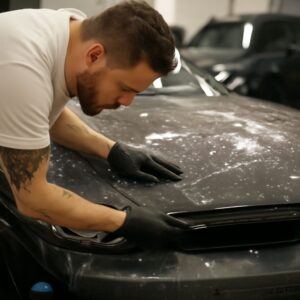
Environmental fallout, brake dust, tree sap, and industrial pollution are just a few of the contaminants that attach themselves to your car’s paint. Even after thorough washing, microscopic particles can remain and bond with the clear coat. Clay barring a car is specifically designed to remove these stubborn residues, contributing to improved paint clarity and smoothness.
Routine use of a clay bar maintains your car’s surfaces by extracting what washing leaves behind. This process not only enhances shine but also prepares the finish for waxing, sealants, or ceramic coatings. The result is a surface that feels slick and reflects light more evenly, elevating the car’s overall visual appeal.
Failing to address surface contaminants can accelerate paint degradation and diminish protective layers. Professional detailers recognize clay barring a car as a foundational step in any thorough paint correction or protection regimen. While not needed as frequently as washing or waxing, claying a car two to three times per year is generally recommended for most vehicles exposed to typical driving environments.
By consistently choosing to clay bar your car, you create an ideal foundation for subsequent detailing steps—maximizing both protection and aesthetics.
What You Need for Claying a Car the Right Way
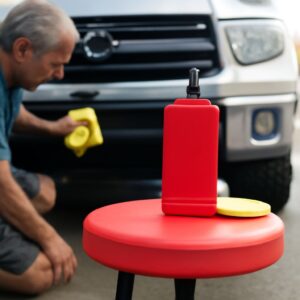
Proper results require the correct clay bar kit and a few key accessories. The main elements include an automotive clay bar (or clay mitt), a dedicated clay lubricant, and clean microfiber towels. The lubricant ensures the clay glides smoothly across the paint, minimizing friction and the risk of marring.
Choose a clay grade appropriate for your needs. Fine-grade clay is suited for regular maintenance and lightly contaminated surfaces, while medium or heavy grades are reserved for more neglected finishes. Using a mitt or towel alternative can speed up the process for larger areas, though traditional bars offer more tactile control.
Before claying a car, always start with a thorough wash to remove loose debris. Freshly washed, cool panels are essential to prevent the clay from becoming overloaded with dirt. Have extra microfiber towels ready to wipe away lubricant residue and inspect your progress as you work.
While the temptation to use household cleaning products may arise, always select claying products designed for automotive finishes. This ensures compatibility with paintwork and prevents unintended damage during the process.
Step-by-Step Guide to Clay Bar Your Car
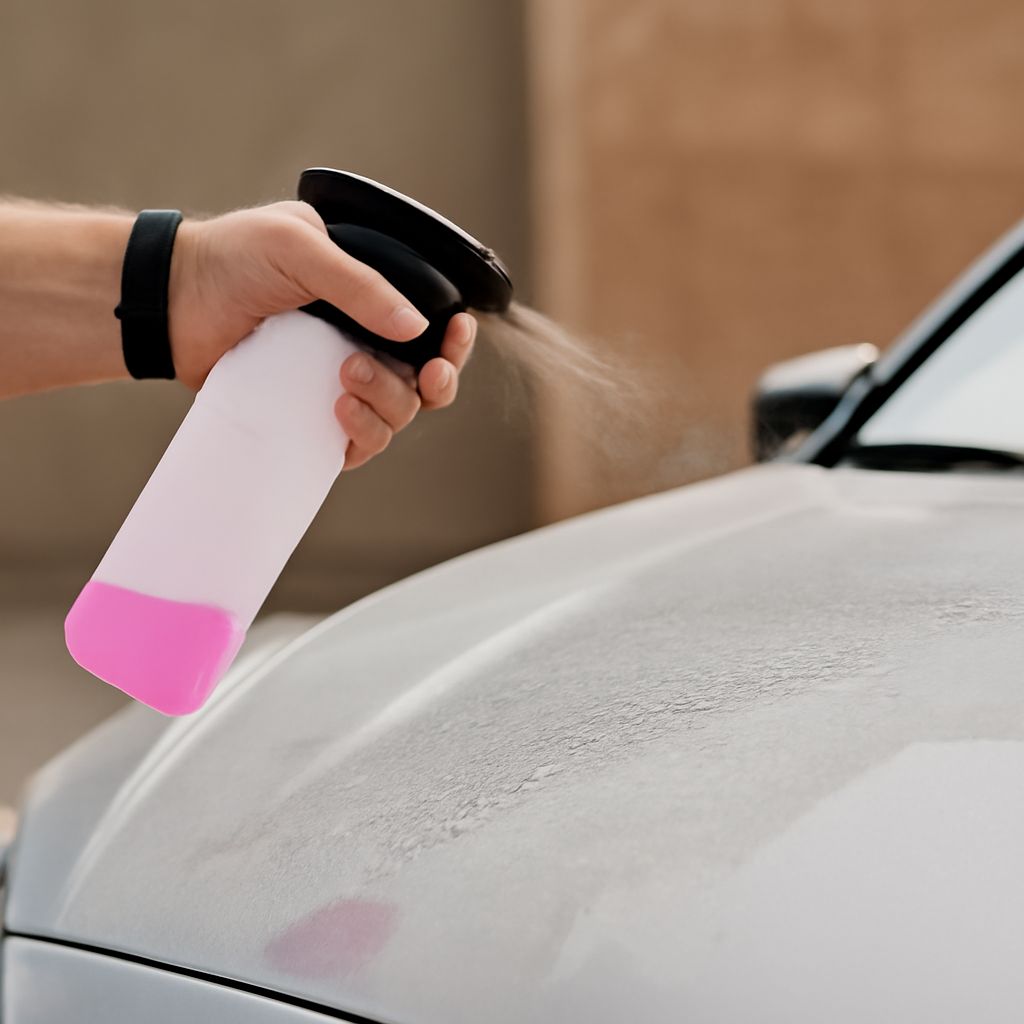
Begin work in a shaded area, ensuring the surface is cool to the touch. Break off a small piece of clay and flatten it into a disc. Generously mist the lubricant onto a manageable section of paint—about 2×2 feet at a time.
Gently glide the clay over the lubricated section using light pressure and overlapping passes. You’ll often feel the clay “grab” as it collects contaminants, then begin to glide smoothly as the surface becomes clean. Regularly inspect the clay; fold and knead it to expose a fresh, clean surface as needed.
Once a section feels smooth and visibly clean, use a microfiber towel to wipe away any remaining lubricant. Repeat the process as you move around the vehicle, working panel by panel until the entire exterior is complete.
After claying a car, the finish will feel exceptionally slick, signaling readiness for waxing or sealing. Always follow up with a protective product to lock in that just-clayed clarity and shield the paint from future contamination.
Tips to Get the Best Results from Clay Barring a Car
For optimal results, always work in small sections and ensure generous lubrication. Overly dry areas can lead to friction and potential marring, especially on delicate clear coats. If you drop the clay bar, discard it—particles from the ground can cause scratches if re-used.
Use light, consistent pressure rather than force; let the clay do the work. Frequently inspect both the clay and the surface, folding the bar to reveal a clean face as soon as it looks dirty. This maximizes contaminant removal and minimizes the risk of dragging grit across the paintwork.
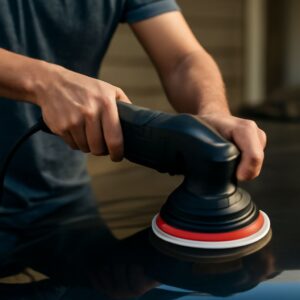
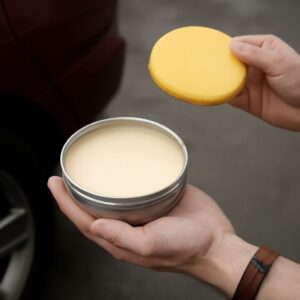
Professional detailers often recommend finishing the process with a high-quality wax, sealant, or ceramic coating. This step not only enhances gloss but also prolongs the benefits of clay barring a car by repelling fresh contaminants. Regularly scheduled claying sessions—two to three times a year or as needed based on driving environment—help maintain a flawless finish.
Common Mistakes to Avoid When Claying a Car
One of the most frequent errors is skipping the pre-wash. Residual dirt can quickly scratch the paint if trapped under the clay. Another common mistake is re-using dropped or overly contaminated clay bars, which can cause micro-marring and permanent surface defects.
Insufficient lubrication is another pitfall. Rushing the process or failing to keep the surface well-lubricated can create unnecessary friction and dull the finish. Choosing the wrong clay grade—such as using a heavy clay on a lightly contaminated or soft paint—may also inflict more harm than good.
Finally, neglecting to apply a protective layer after claying leaves the paintwork vulnerable to new contaminants. Seal the freshly cleaned surface promptly to ensure long-lasting results. Thoughtful attention to each step ensures the process is effective and safe for your vehicle’s finish.
Pro tips recap: Always use proper lubrication, inspect and fold your clay frequently, and finish with a protective coat. With careful technique and the right supplies, clay barring a car can elevate both the look and longevity of your vehicle’s paintwork—just as professionals recommend.