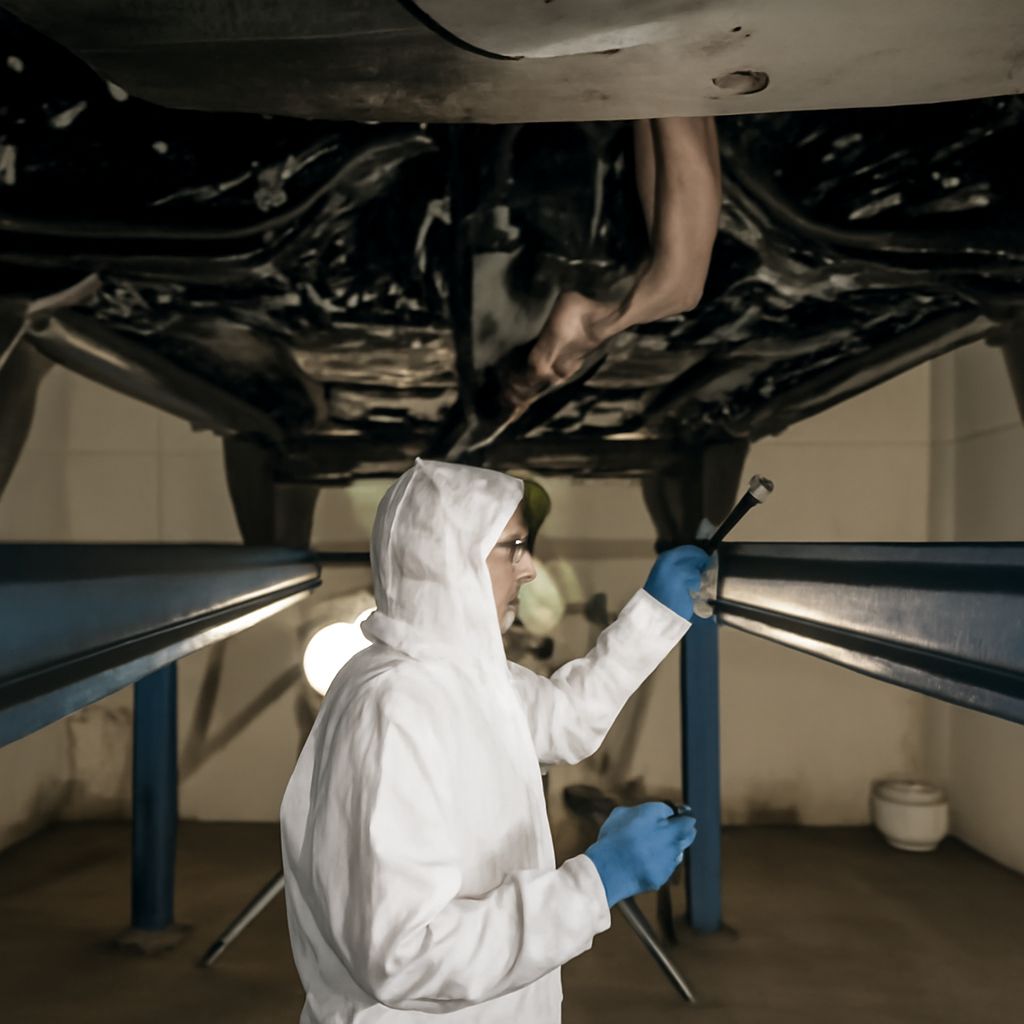
Is your vehicle’s exterior as protected as it should be? Car rust protection is a topic every car owner must grapple with, especially when aiming to maintain value and visual appeal. A rust proof car isn’t just about looks—it’s about safeguarding critical components from costly damage and ensuring long-term durability. But what makes rust such a persistent threat, and which auto body practices make the biggest difference?
Many drivers delay rust protection, believing modern factory coatings are enough. However, understanding the science behind corrosion and investing in proactive rust proof car methods can dramatically extend your car’s lifespan. This article explains why car rust forms, how to identify early warning signs, and the most effective ways to keep your vehicle safe from the elements.
Why Car Rust Protection Matters for Every Vehicle
Rust is more than a cosmetic issue; it represents ongoing corrosion that weakens structural integrity. Over time, untreated rust can compromise safety-critical areas such as the frame, suspension mounts, and brake lines. That’s why professional car rust protection should be considered a preventive necessity rather than an optional upgrade. Vehicles exposed to harsh weather, salted winter roads, or high humidity are especially vulnerable, making protective measures all the more crucial.
When a rust proof car is maintained properly, it resists the spread of corrosion, preserving both safety and resale value. Body repair specialists consistently recommend periodic inspections and protection treatments, a standard aligned with leading industry practices. Investing in proven rust deterrents not only helps avoid expensive repairs but also supports a longer, healthier vehicle lifespan.
Proper rust care is a hallmark of responsible vehicle ownership. Whether driving a daily commuter or a cherished classic, preventative protection ensures that the vehicle’s appearance and structural soundness remain uncompromised over time. This commitment echoes throughout the body repair industry as a best practice for all climates and driving conditions.
Common Causes of Rust and How to Spot Early Signs
Understanding what causes corrosion is the first step toward an effective car rust protection plan. Automotive surfaces are prone to rust whenever iron, oxygen, and moisture interact. Everyday hazards such as road salt, stone chips, and bird droppings can accelerate this process by breaching protective paint layers and exposing bare metal.
Early detection is critical. A rust proof car is regularly checked for warning signs: bubbling paint, minor blisters, or brownish-red stains around wheel wells, doors, and the undercarriage. Even small chips or scratches can become entry points for moisture, leading to rust formation beneath the surface. Consistent washing, especially during winter or after exposure to corrosive materials, helps minimize these risks.
Professional inspections and body shop assessments are also vital in catching hidden corrosion before it spreads. Technicians use specialized tools to examine hard-to-see areas and recommend targeted car rust protection treatments based on observed damage or vulnerability. By addressing these factors promptly, vehicle owners prevent minor issues from developing into severe structural corrosion.
How to Rust Proof Your Car: Practical Methods and Tips
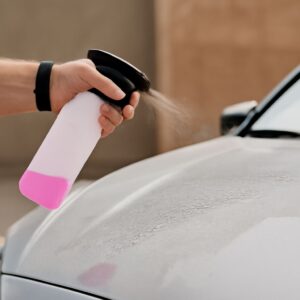
Applying effective rust proof car techniques involves more than just a one-time spray. The most common strategies include undercoating, applying wax or oil-based protectants, and sealing vulnerable seams and panels. Undercoating is a popular choice for shielding the underbody from salt, moisture, and debris. Oil sprays, meanwhile, seep into crevices and displace water, slowing the formation of rust even in hard-to-reach areas.
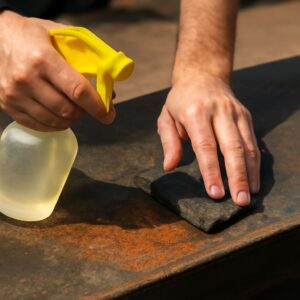
DIY enthusiasts can enhance car rust protection by using touch-up paint on chips and scratches, keeping drain holes clear, and avoiding parking on grass or dirt, which trap moisture. However, professional application of rust inhibitors is recommended for thorough results, particularly for vehicles used in challenging environments.
For the most durable rust proof car performance, regular maintenance is essential. This includes annual touch-ups, reapplication of protective sprays, and thorough washing to remove accumulated salts and chemicals. By integrating these care routines into standard vehicle upkeep, owners significantly reduce the risk of long-term corrosion and maintain a pristine appearance for years to come.
Maintaining Car Rust Protection Over Time
Long-term car rust protection requires diligence and a proactive approach. Seasonal inspections should focus on high-risk areas, such as wheel arches, rocker panels, and the underbody, to catch early rust formation. Keeping the vehicle clean—particularly during winter or after driving on salted roads—is one of the simplest ways to extend the life of protective coatings.
Periodic reapplication of rust proof car treatments ensures continued effectiveness. Environmental factors, abrasive road debris, and general wear can erode initial layers, so topping up with wax, oil, or professional sprays is important. Scheduling regular checkups with a reputable body shop guarantees an expert eye on evolving vulnerabilities and up-to-date protection strategies.
Following industry best practices—such as prompt paint repairs, underbody washing, and annual protective treatments—maximizes the return on investment in car rust protection. Vehicle owners who prioritize routine care enjoy safer, longer-lasting vehicles with higher resale values, whatever the weather or roads may bring.
Pro tips recap: Effective car rust protection relies on consistent inspections, timely repairs, and the right application of rust proof car methods. Prioritize preventative measures and professional expertise to keep corrosion at bay and maintain your vehicle’s safety and value well into the future.