Have you ever noticed small, unsightly patches of rust on your vehicle and wondered how they got there? Rust is not just a cosmetic concern; it can lead to significant structural damage if not addressed promptly. Learning how to stop rust on a car is crucial to maintaining its longevity and appearance. This guide will explore the causes of rust, methods to stop it, and how to prevent future occurrences, ensuring your car remains in top condition.
Understanding the Causes of Rust
Rust is a form of corrosion that occurs when iron or steel reacts with oxygen and moisture. The process accelerates in the presence of salts, making vehicles particularly vulnerable in coastal regions or areas with winter road salting. Understanding these factors can help car owners take preventative measures against rust.
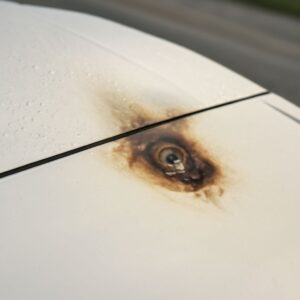
Environmental exposure and road conditions play significant roles in the formation of rust. Vehicles that are regularly exposed to rain, snow, or salty air are more likely to develop rust. Additionally, chips in the paintwork, often caused by road debris, can expose metal surfaces, providing a starting point for rust to take hold.
How to Stop Rust on a Car
The first step in stopping rust is identifying affected areas early. Regularly inspect your vehicle, focusing on wheel arches, undercarriages, and any spots where paint might be chipped or scratched.
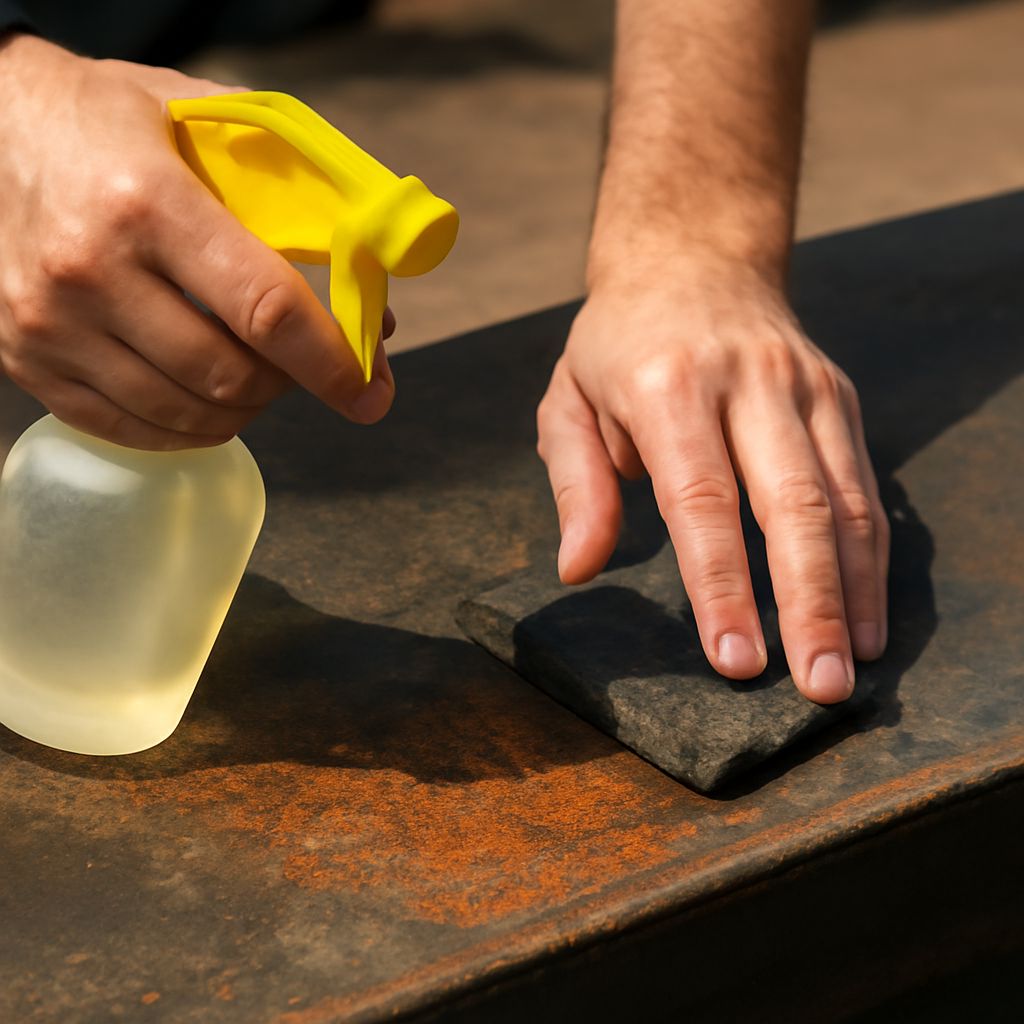
Once rust is detected, it’s crucial to act quickly. Begin by cleaning the affected area with a wire brush or sandpaper to remove rust flakes and debris. Applying a rust converter can help neutralize the corrosion, turning the rust into a protective coating. Afterward, seal the area with a primer and finish with a fresh coat of paint to restore the car’s appearance and protection.
How to Prevent Rust on Car Surfaces
Preventing rust is often easier and less costly than repairing it. Regular washing and waxing your car can create a barrier against moisture and salt. Pay special attention to the undercarriage and wheel wells, where salt and grime accumulate.
Consider using rustproofing sprays or coatings, which are designed to repel moisture and protect exposed metal. Inspect seals and drainage holes to ensure they are not blocked, allowing water to escape rather than pool in areas susceptible to rust.
Storing your vehicle in a garage or using a car cover can also protect it from the elements, minimizing the risk of rust formation.
How to Repair Rust on a Car
When rust has progressed beyond minor surface spots, more extensive repairs may be necessary. Begin by assessing the damage; if the rust has penetrated deeply, professional intervention might be required.
For those tackling the task at home, remove the rust using grinding tools or sandblasting, followed by applying rust inhibitors. Filling any pits with body filler can restore a smooth surface before priming and painting.
It’s important to use high-quality materials and adhere to professional best practices to ensure repairs are durable and effective. This may involve multiple layers of primer and paint, along with clear coating for added protection.
Next Steps: Regular maintenance is key to preventing rust on your vehicle. Establish a routine of washing, inspecting, and addressing any issues promptly. By taking preventative measures and addressing rust swiftly when it occurs, you can keep your car looking great and performing well for years to come.