Have you ever wondered why some vehicle paint jobs seem to last longer and look more polished than others? The secret often lies in the use of a high-quality car primer. This essential component in automotive painting not only ensures a smooth finish but also plays a critical role in protecting your vehicle from rust and damage. Understanding the significance of car primer paint can greatly enhance the longevity and appearance of your vehicle’s exterior.
In this guide, we’ll delve into the world of car primers, exploring why they are crucial, how to select the right type, and the best practices for application. Whether you’re a DIY enthusiast or looking to understand more about the process before heading to a professional, this comprehensive overview will serve as your go-to resource.
What is Car Primer and Why It’s Important
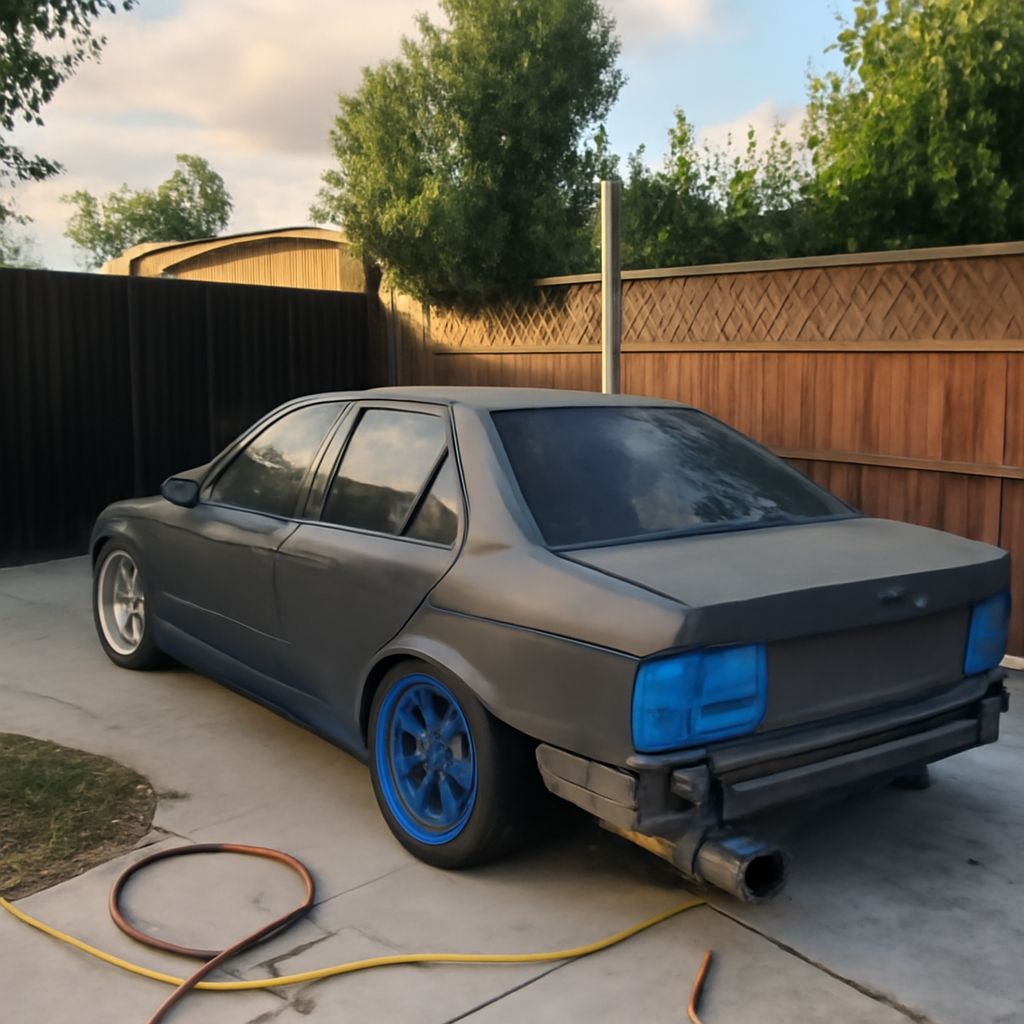
Car primer acts as a preparatory coating put on materials before painting. It ensures better adhesion of the paint to the surface, increases paint durability, and provides additional protection for the material being painted. Without a proper layer of car primer, even the most expensive paint can chip or peel away over time.
The use of car primer paint is essential for filling small imperfections and creating a uniform surface. This is particularly important in automotive repairs, where the primer helps to smooth out any inconsistencies that could affect the final appearance. By sealing the surface, a primer also helps to prevent moisture from reaching the metal, reducing the likelihood of rust.
Choosing the Right Car Primer Paint
Selecting the appropriate car primer paint involves considering the type of surface and the environmental conditions the vehicle will face. Primers come in various forms, such as epoxy, urethane, and acrylic. Each type has unique properties that make it suitable for different applications.
When choosing car primer paint, consider factors like corrosion resistance, ease of application, and drying time. For instance, epoxy primer is known for its excellent adhesion and rust prevention, making it ideal for newer cars. On the other hand, an acrylic primer is often used for its quick-drying properties, suitable for small touch-ups.
How to Apply Car Primer Like a Pro
Preparing the Surface
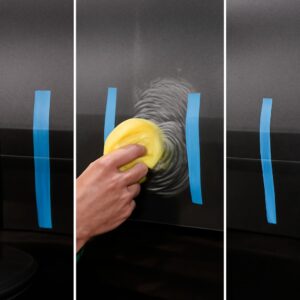
Proper surface preparation is crucial for effective primer application. Start by thoroughly cleaning the vehicle to remove any dirt, grease, or old paint residues. Sanding the surface ensures that the primer will adhere properly, providing a smooth base for the paint.
Applying the Primer
Once the surface is prepared, apply the car primer evenly using a spray gun or brush, depending on your level of expertise and the size of the area. Make sure to follow the manufacturer’s instructions regarding the number of coats and drying times.
Allowing for Proper Drying
After application, it’s vital to allow the primer to dry completely. This step ensures that the car primer paint bonds well to the surface and is ready for the subsequent layers of paint. Weather conditions like humidity and temperature can affect drying times, so adjust accordingly.
Common Mistakes to Avoid
One of the most common mistakes is neglecting surface preparation, which can lead to poor adhesion and uneven finishes. Additionally, applying too thick a layer of primer can cause runs and sagging, affecting the final look. Always apply in thin, even layers for the best results.
Another frequent error is rushing the drying process. Patience is key; giving the primer enough time to cure will significantly enhance the durability and look of the final paint job. Avoid applying primer on a damp or dusty surface, as this can compromise the quality of the application.
Bottom line: Using car primer is an essential step in vehicle painting, ensuring a smooth and durable finish. Selecting the right primer and applying it correctly can significantly extend the life of the paint job. Whether taking on a DIY project or consulting with a professional, understanding the process will lead to superior results.