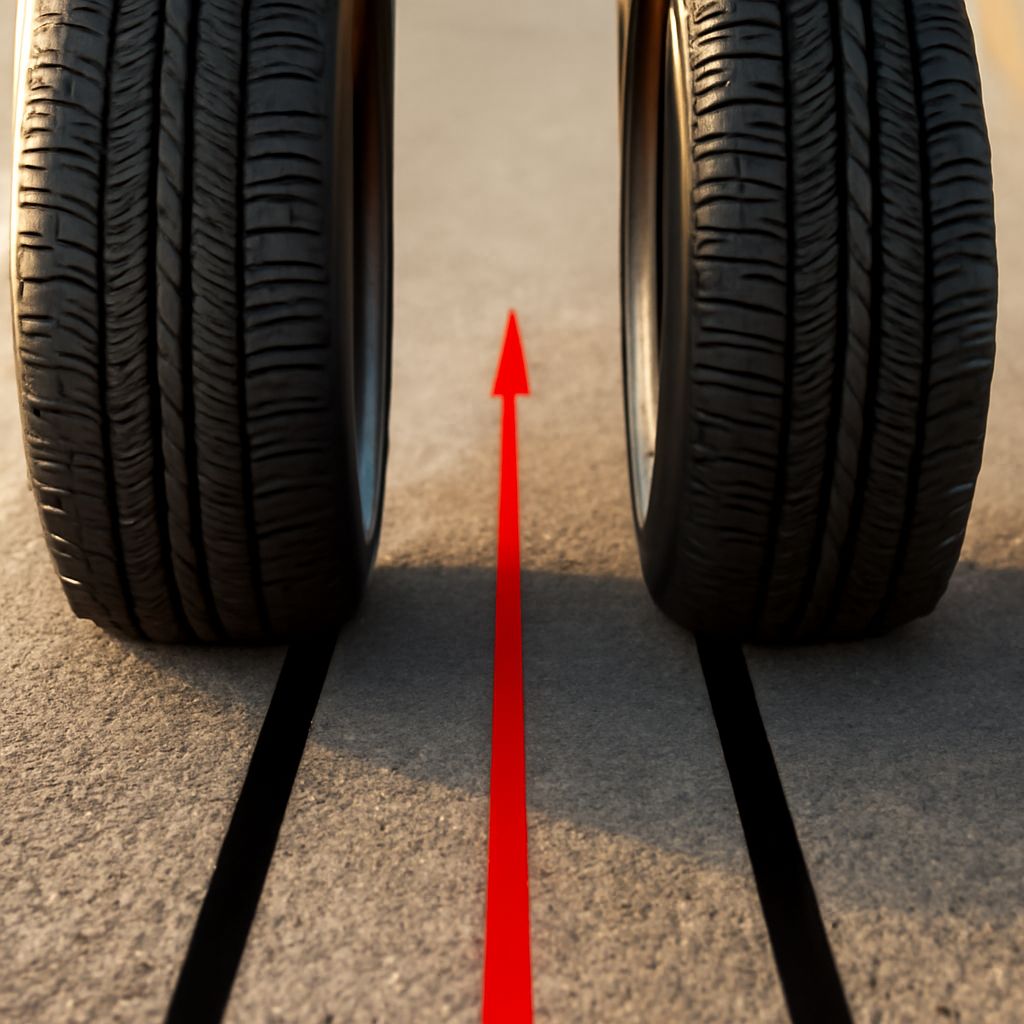
Have you ever wondered what happens beneath the sleek exterior of your car after a collision? Understanding the underlying structure is critical, especially when it comes to identifying signs of car frame damage. Car frame damage can significantly impact the safety and integrity of your vehicle. But what exactly is considered frame damage on a car, and what steps can be taken to address it effectively?
While most drivers focus on visible dents or scratches, it’s crucial to delve deeper to detect any potential issues that may not be immediately apparent. Recognizing the signs of car frame damage early can prevent further complications, ensuring that your vehicle remains safe and reliable on the road.
Understanding Car Frame Damage
The car frame acts as the skeleton of a vehicle, providing structural support and shaping its overall form. When the frame is compromised, it can lead to more severe problems down the road. Frame damage often occurs during accidents, but it can also result from corrosion or poor maintenance over time. Recognizing the significance of the frame’s role is essential in assessing any damage properly.
Frame damage can manifest as bending, twisting, or warping of the structural components, affecting the vehicle’s alignment and stability. This type of damage is not always visible to the untrained eye, making professional inspections vital for accurate diagnosis and repair.
Signs of Car Frame Damage
Identifying signs of car frame damage can be challenging, especially if the damage is internal. Some common indicators include uneven tire wear, difficulty with steering, and unusual noises while driving. These issues often suggest that the frame’s alignment has been compromised, even if the vehicle’s exterior appears intact.
Additional symptoms may include doors, trunks, or hoods that no longer close properly. If a vehicle has been in a collision, it’s crucial to inspect for these signs, as they often point to more significant internal frame damage.
What is Considered Frame Damage on a Car?
What is considered frame damage on a car goes beyond visible external damage. It encompasses any compromise to the structural integrity of the vehicle’s framework. This includes damage to the unibody, subframe, or any other essential supporting structures.
Even minor misalignments can escalate into severe safety hazards if not addressed promptly. Frame damage can result in reduced crashworthiness, making it imperative to understand and rectify any underlying issues swiftly to maintain optimal safety standards.
Repairing Car Frame Damage
Repairing car frame damage requires a meticulous approach to restore a vehicle’s original structural integrity. Professional automotive repair facilities utilize specialized equipment to realign and reinforce damaged frames. This process often involves straightening the frame using hydraulic machines and ensuring that all dimensions meet the manufacturer’s specifications.
While some minor repairs can be accomplished without replacing entire sections, more extensive damage might necessitate replacing significant portions of the frame. Adhering to industry-recommended best practices ensures that repairs meet safety standards, providing peace of mind to vehicle owners.
Key takeaways: Recognizing signs of car frame damage is crucial for maintaining vehicle safety. Understanding what is considered frame damage on a car can prevent further complications, and professional repair is essential to restore structural integrity. For optimal safety, always consult with automotive experts for accurate diagnosis and repair.