Have you ever wondered why a pearl white car seems to shimmer and shift in the sunlight, catching the eye in a way that flat white finishes never quite achieve? The secret lies in the unique composition and reflective qualities of pearl car paint, a specialty finish prized by both automotive enthusiasts and casual drivers alike. As more people pursue elegant, standout vehicle finishes, understanding the appeal and demands of pearl white cars becomes essential for informed ownership.
But what truly sets pearl car paint apart from other types of automotive finishes, and what should you know if you’re considering a pearl white car for your next vehicle or planning to maintain one? This article explores the distinctive features, science, benefits, and challenges of these stunning finishes—equipping you with the knowledge to keep your car looking its best.
What Makes Pearl White Cars Stand Out?
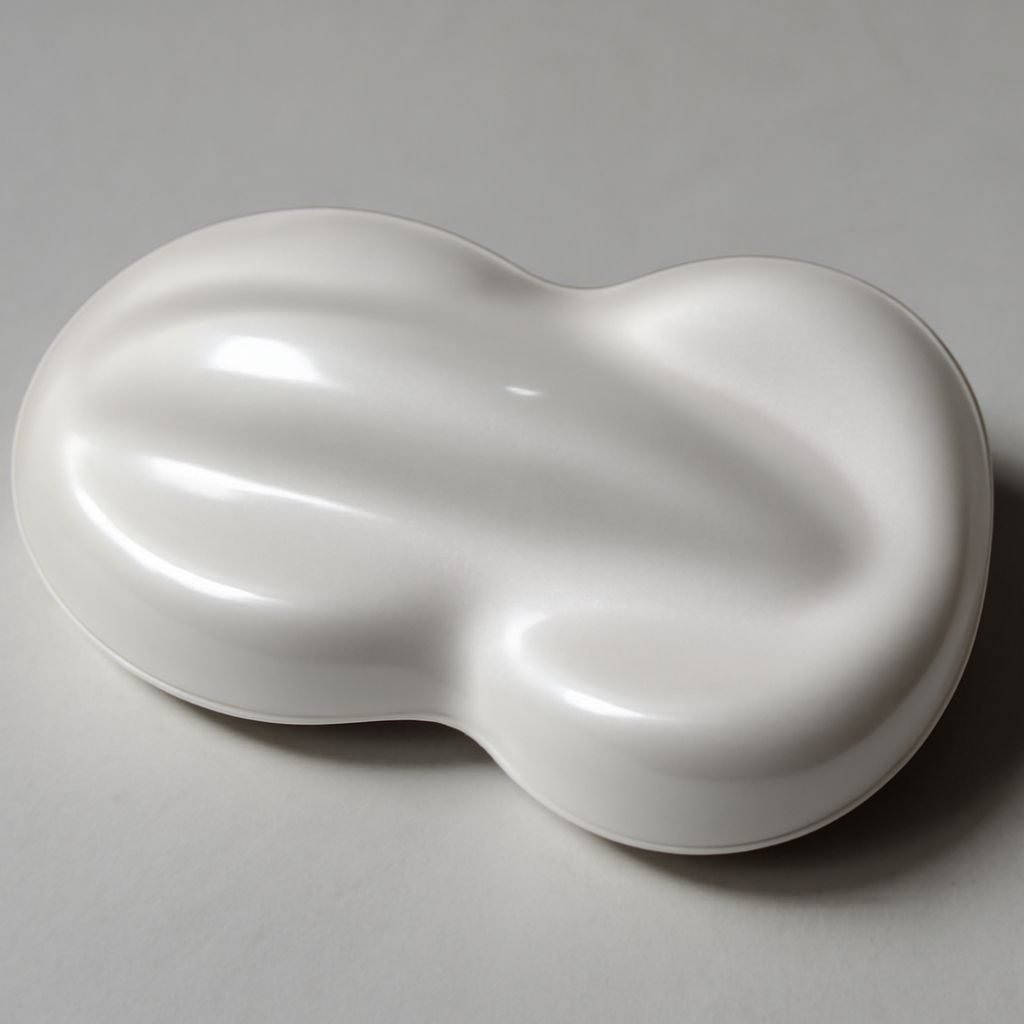
A pearl white car is immediately recognizable thanks to its multi-dimensional, luminous appearance. Unlike traditional white vehicles, which may appear flat or monochromatic, cars finished with pearl car paint display a subtle iridescence. This effect is achieved by incorporating microscopic ceramic or mica particles into the paint, which reflect light at different angles and create a dynamic color shift.
These multi-layered finishes help pearl white vehicles stand out in both natural and artificial lighting. The resulting visual depth enhances body lines and curves, giving the impression of a high-end, meticulously detailed automobile. As a result, drivers often choose a pearl white car to express personal style and signal attention to quality.
In addition, the unique reflective properties of pearl car paint can help mask minor dust or surface imperfections more effectively than solid colors. This quality makes the finish appealing for those seeking a refined, low-maintenance look—though it still requires deliberate care to maintain its signature luster.
The Science Behind Pearl Car Paint
The technology behind pearl car paint involves more than just mixing pigments. Typically, the process consists of multiple paint layers: a base coat for color, a pearlescent layer containing the special particles, and a protective clear coat. The transparent or lightly tinted pearl layer contains flakes that refract and scatter light, producing a soft glow and nuanced color changes under varying conditions.
These reflective and refractive qualities depend on the size, shape, and composition of the pearlescent particles. Professional auto body shops apply the finish using controlled techniques to ensure consistency and maximum visual impact. Because the application process is more intricate than for standard automotive paints, achieving a flawless pearl car paint finish may require additional skill and time.
It’s important to note that the durability of a pearl white car finish is directly tied to the quality of the materials and the expertise of the technicians. Properly applied, the finish guards against environmental wear, but incorrect application or subpar materials can result in uneven appearance or premature fading.
Pros and Cons of Choosing a Pearl White Car
Choosing a pearl white car brings a range of advantages. The most obvious benefit is the sophisticated, premium appearance that enhances resale value and visual appeal. Many drivers appreciate how the finish accentuates a vehicle’s design elements and exudes a sense of modern luxury. Additionally, the light-reflecting properties of pearl car paint can help in subtly hiding light dust and minor imperfections between washes.
However, there are drawbacks to consider. Pearl car paint is generally more expensive than standard finishes, both in initial application and in subsequent repairs. Matching the exact pearlescent tone during touch-ups or accident repairs can be challenging, often requiring professional intervention. Furthermore, while the finish resists some forms of superficial blemishes, deeper scratches or chips are more noticeable than on metallic or solid colors due to the complex layering.
For drivers who prioritize standout style and are willing to invest in careful upkeep, the benefits of owning a pearl white car can easily outweigh the drawbacks. Those seeking lower maintenance or budget-friendly finishes may prefer more conventional paint options.
How to Care for Your Pearl Car Paint
Proper maintenance is crucial to preserving the radiant appearance of pearl car paint. Always wash your pearl white car using a pH-neutral automotive shampoo and soft microfiber cloths or mitts to avoid scratching the delicate surface. Frequent, gentle hand washing helps remove dust and contaminants that can dull the finish over time.
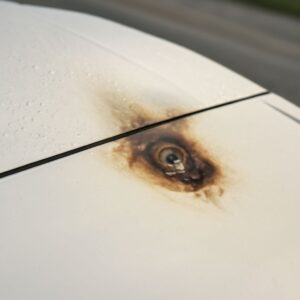
It’s also essential to regularly inspect for signs of damage, such as chips or water spots, as these can compromise the integrity of the pearl car paint layers. Applying a high-quality automotive wax or sealant specifically formulated for pearlescent finishes can extend the life of the topcoat and maintain its reflective qualities.
Professional detailing, performed according to established industry standards, is recommended at least once or twice a year. This not only revives the iridescent effect but also addresses microscopic scratches that may escape regular cleaning. By following a consistent care routine, owners can protect their investment and keep their pearl white car looking its best for years to come.
Repairing and Touching Up Pearl White Car Paint
Repairing damage to a pearl white car requires specialized products and advanced application techniques. Unlike solid finishes, spot-repairing pearl car paint often involves blending several layers to match the precise hue and luminosity of the original surface. This task is best left to experienced technicians with access to color-matching tools and spray equipment designed for multi-stage finishes.
DIY touch-up kits for pearl car paint exist but rarely produce seamless results. Attempting to patch chips or scratches without professional support can lead to visible inconsistencies in both color and gloss. For minor blemishes, consult a reputable auto body shop familiar with pearlescent finishes to ensure a factory-quality restoration.
Protecting repaired areas with a fresh clear coat and maintaining a regular cleaning and waxing routine will further help preserve the seamless appearance of your pearl white car. Prioritize prompt attention to any new damage to prevent further deterioration and safeguard the unique finish.
Next steps: For those considering a pearl finish or seeking to maintain their existing pearl white car, regular cleaning, protection, and professional inspections are key. Familiarize yourself with recommended care products and schedule timely repairs to enjoy the beauty and value of your investment well into the future.