A removable wheel may make it easier to enter a tightly fitted race car, yet a release that looks right in a catalog can fail to fit the hub or preserve the functions your vehicle needs. Start by identifying the intended use and checking the complete connection from steering column to wheel.
A steering-wheel quick-release system is more than a button: its hub, mating parts, fasteners, and lock have to work together. Before buying a kit for a quick-release steering wheel, check the manufacturer’s application, the vehicle’s equipment, and the rules that apply where you intend to drive.
Steering Wheel Quick Release: How the Connection Works
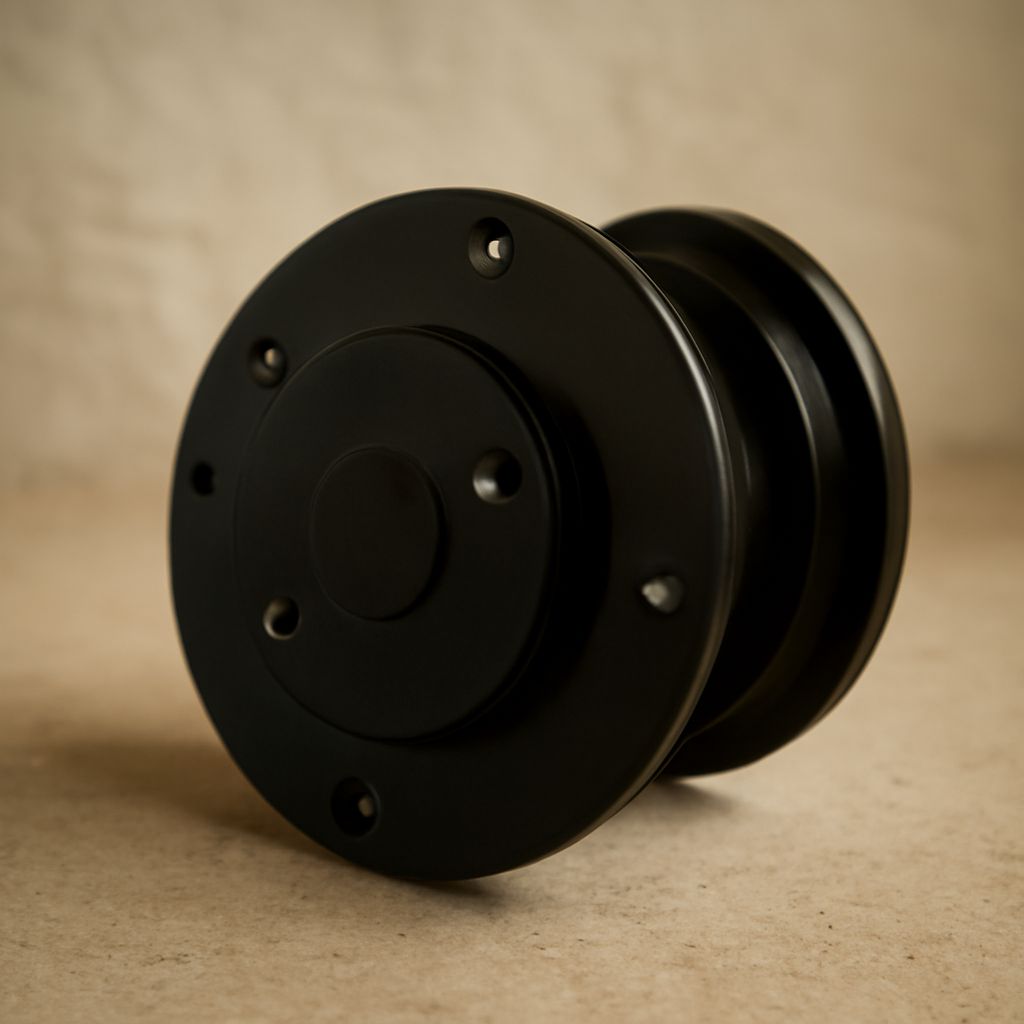
The steering column turns the wheels through the steering system. A hub or adapter connects to the column, and a quick-release coupling joins that hub to the steering wheel. The coupling has mating halves and a locking mechanism that holds them together while driving. Releasing the lock allows the wheel and its half of the coupling to separate from the vehicle-side half.
Think of the connection like a socket that must seat and latch every time it is joined. The exact lock and engagement indicator depend on the design. Read the instructions for the particular quick release steering wheel kit to learn how its maker specifies engagement, inspection, and service. If the connection does not seat or lock as described, do not drive; have the assembly inspected by a qualified professional.
A removable steering wheel can be useful in a track car with a fixed racing seat and limited room to climb in or out. Removal may also make casual theft less convenient, but it is not a substitute for a vehicle security system. The primary question remains whether the entire steering assembly is suitable for the vehicle and the intended use.
Start With the Intended Use
Track and road use have different constraints. A racing organizer or sanctioning body may specify the release design, steering components, and inspection requirements for a particular class. Check the current rulebook for the exact series and car, then confirm that the manufacturer identifies the components as suitable for that application. A part advertised for motorsport is not automatically accepted by every event.
For a road vehicle, establish whether the proposed change preserves the required safety equipment and other functions. A factory steering wheel may contain the driver’s airbag and controls that a replacement wheel does not accommodate. Those functions are part of the vehicle’s design, not optional details to settle after ordering.
NHTSA explains that federal law generally prohibits specified commercial businesses from knowingly making inoperative equipment installed to comply with an applicable safety standard. State rules can also apply. The answer for a particular vehicle and installer depends on the facts and applicable rules; confirm them with the relevant authority and a qualified installer. Do not treat a seller’s generic “street legal” claim as a complete determination.
Check Every Interface Before Ordering
Begin with the exact vehicle, model year, steering column, and existing hub. The vehicle-specific hub must be compatible with the column, while its attachment pattern must match the release. The release’s wheel-side pattern must in turn match the chosen wheel. Verify bolt circle, number and size of fasteners, orientation, and any centering features using the component makers’ documentation.
A matching bolt pattern alone is not enough. Check that the parts are intended to be used together, that the fasteners have the specified length and grade, and that the assembly has the correct clearances. A seller’s photograph cannot establish these details. If adapters or spacers are proposed, ask their manufacturer and the installer whether the complete stack is approved for the application.
A quick disconnect steering wheel also changes the distance between the driver and the wheel. Hub and coupling depth can affect arm reach, knee clearance, sightlines to instruments, and operation of stalks. Sit in the intended driving position and assess these dimensions before committing to the parts. In a race car, check clearance with the seat and restraints actually used at the event.
Ask who will inspect and install the assembly and which instructions govern the finished system. The steering wheel quick release, hub, and wheel should each have identifiable manufacturers and part numbers. Avoid mixing parts whose makers cannot confirm compatibility; the joint transmits steering force every time the car turns.
Account for Airbags and Vehicle Controls
List the functions on the original wheel: airbag, horn, audio or phone buttons, cruise controls, shift paddles, and any heated-wheel feature. The vehicle may also use steering-angle information or other electronics connected through the column. Determine which functions a proposed replacement retains and how the manufacturer documents that integration.
A working horn button alone does not establish that all original safety and electronic functions remain intact. Have a qualified specialist assess the vehicle and product documentation before work is authorized. NHTSA warns that tampering with a steering wheel or airbag can cause dangerous deployment; its airbag guidance advises against dismantling them yourself.
For a competition-only car, confirm the organizer’s requirements for the full restraint and steering system. For a road car with a factory airbag, preserving the original wheel may be the practical choice unless a specifically documented, compliant solution exists. Never assume that hiding a warning light establishes a functional safety system.
Inspect, Maintain, and Choose
A quick-release wheel assembly needs regular attention under its manufacturer’s instructions. Ask the installer how to recognize full engagement and what play, wear, damaged fasteners, or contamination calls for service. Before each use, verify the connection in the manner specified by the maker. If it will not lock positively or has unexpected movement, stop and have the cause corrected before driving.
Choose a detachable wheel system only when the complete combination is documented for your car and use, the locking method and dimensions suit the driver, and the required vehicle functions and applicable rules are addressed. For a track car, take the component list to the organizer or technical inspector before buying. For a road car, consult the vehicle maker and a qualified installer first; if the necessary compatibility or safety information is missing, retain the original assembly.