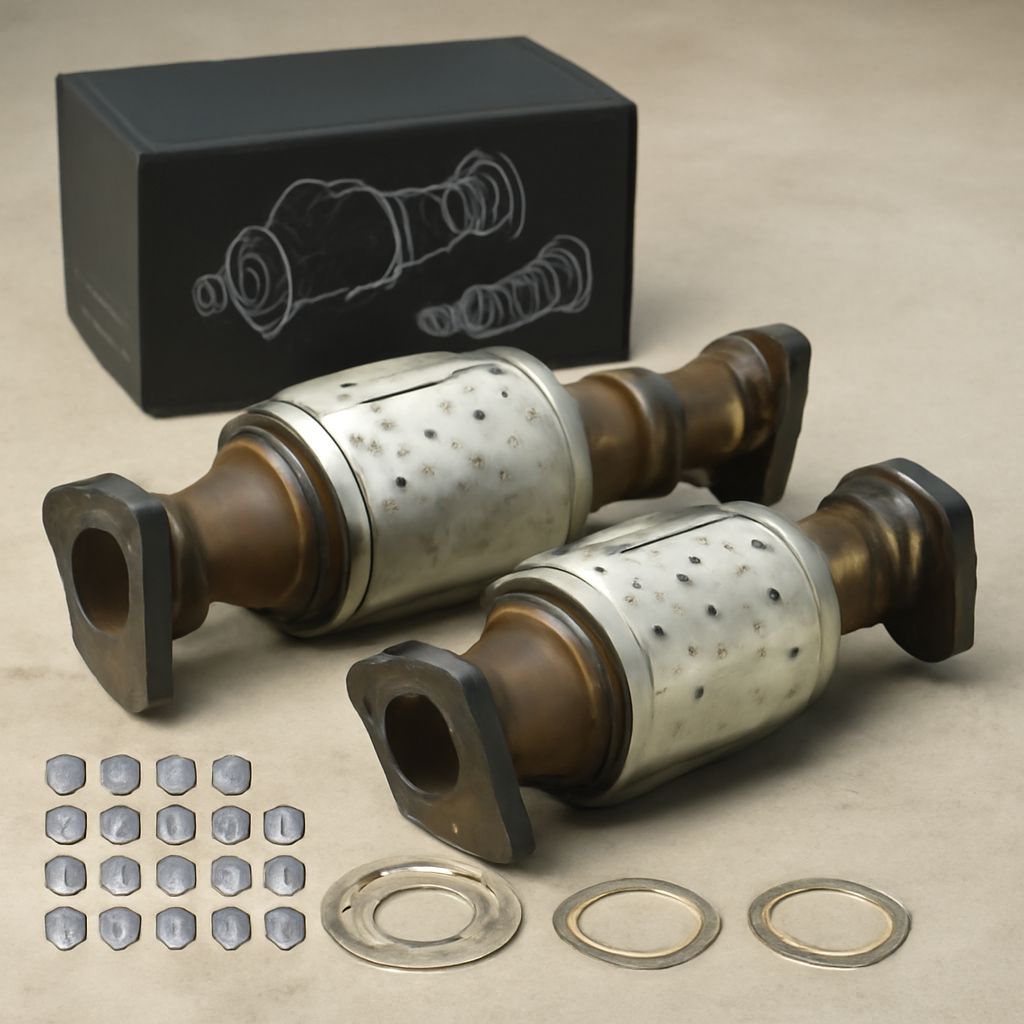
A direct-fit converter is shaped for a specified vehicle and exhaust position, while a universal converter may require fabrication to fit the existing system. Either choice still needs to match the vehicle’s emissions configuration and the requirements that apply where it will be installed.
Before purchasing a catalytic converter, confirm why the old one needs replacement and identify the exact engine and exhaust position. A replacement catalyst that fits the pipe is not automatically the correct part for the vehicle. The right choice combines documented application, compliant use, and a repair that addresses the cause of failure.
Buy Catalytic Converter Parts for the Exact Vehicle
Gather the year, make, model, engine size, and vehicle identification number. Find the vehicle emissions control information label, usually under the hood, and record its test group or engine family. Your vehicle may have more than one converter, so also identify the affected bank and position from the service diagram and the shop’s diagnosis.
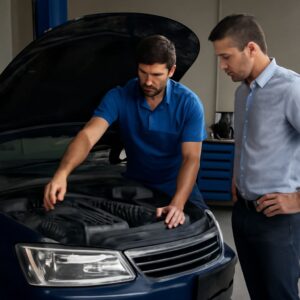
Before you buy a catalytic converter, ask the installer for the part number and application details it proposes. Compare those with the converter manufacturer’s catalog, including emissions designation, engine, position, and any restrictions. A listing that says “fits this model” without specifying the engine or emissions family may leave out the detail that determines the correct part.
The emissions label describes how the vehicle was certified; the rules in the place of installation determine which replacements may be used there. Keep those questions separate. For example, California’s Air Resources Board says its aftermarket converter selection requires the vehicle’s make, model, year, engine size, and test group or engine family. Its aftermarket converter page explains the application-specific approval process.
Direct-Fit or Universal?
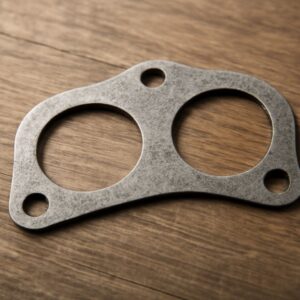
A direct-fit unit is designed around a listed application and position. It may include vehicle-specific pipe sections, flanges, heat shields, or sensor connections, depending on the product. Check the contents list: “direct fit” does not promise every gasket, fastener, or sensor needed for the job. Ask the shop which additional pieces are included in its estimate.
A universal unit is a converter body intended for specified applications that requires the installer to adapt it to the exhaust. Pipe diameter, location, orientation, sensor provisions, and the approved application all matter. Welding or other fabrication adds labor and requires a qualified exhaust shop. The purchase price of the part alone is therefore not the full cost of installation.
Compare the installed quotes for a new catalytic converter, including fabrication, hardware, taxes, and warranty. A direct-fit assembly may reduce fitting work; a universal unit may be appropriate where its manufacturer lists the application and local rules permit its installation. Ask the shop to identify the exact unit and explain how it will fit the vehicle before approving either option.
Verify the Markings and Applicable Rules
Rules for replacement converters vary by jurisdiction and vehicle. Check the official requirements for the state and locality where the work will be performed, as well as the vehicle’s emissions configuration. A seller’s label such as “49-state” or “CARB compliant” is not enough to determine whether a particular part may be installed on your car in your location.
In California, aftermarket converters generally need an applicable exemption Executive Order, or EO. Match the part number and EO application to the vehicle’s test group, model year, engine, and converter position. CARB’s converter database can be searched by vehicle or EO, and CARB also provides links to orders not shown in the database. Check the current order and any rescinded or withdrawn listings rather than relying only on a marketplace description.
Ask the installer to show the relevant application documentation and explain the markings on the part. If the vehicle or part is not clearly listed, contact the manufacturer or the responsible agency before purchase. Other states may have their own requirements; use their official information for the particular installation rather than assuming California or federal labeling alone answers every question.
Check whether the vehicle is covered by an emissions warranty or recall before paying for replacement. The dealer can check the VIN and explain coverage and diagnostic conditions. Save the diagnosis, invoice, part number, and application documentation for your records and any later inspection or warranty claim.
Diagnose the Cause Before Installing a Replacement
A catalyst-efficiency code points to a problem that needs diagnosis; it does not by itself prove the converter is the failed component. Exhaust leaks, sensor or wiring faults, and engine operating problems can affect the results. Ask what tests the technician performed and what evidence supports replacement.
A new catalytic converter can be damaged if the underlying problem remains. Misfires, excessive oil consumption, coolant entering combustion, or a rich-running engine can contaminate or overheat the catalyst. Have the shop investigate and correct the relevant cause before fitting a replacement, then verify the repair according to the vehicle procedure.
A converter works like a treatment stage in the exhaust: it promotes chemical reactions that reduce pollutants. It depends on a properly operating engine to receive exhaust within its intended conditions. Replacing the treatment stage without fixing what harmed it can leave you paying for the same repair again.
Read Performance and Warranty Claims Carefully
A high performance catalytic converter may be marketed for lower restriction, but the claim should identify the test, vehicle, and conditions. It does not establish a power gain on your car or approval for road use. For a performance-oriented replacement catalyst, verify the exact application and applicable emissions documentation just as you would for any other unit.
Compare warranties by duration, mileage, covered components, exclusions, and who pays for diagnosis or labor. Check whether the warranty requires proof of professional installation or repair of a prior engine fault. A promise of long life is more meaningful when the written terms explain what is covered and how to make a claim.
Make the Choice
Choose a new catalytic converter documented for the exact vehicle and converter position that meets the rules where it will be installed. Compare direct-fit and universal options using the complete installed estimate, then make sure the cause of failure is addressed. If application or approval remains uncertain, ask the manufacturer, installer, or agency to resolve it before ordering the replacement converter.