Is your car AC making a hissing noise, leaving you puzzled and concerned about potential issues? The sounds emanating from your vehicle’s HVAC system can be unsettling, but understanding the causes and solutions can help ease your worries. “Car AC hissing” can indicate a range of issues within the system, some of which can be addressed with simple fixes, while others may require professional intervention.
Whether you’re dealing with a minor problem or a more serious malfunction, identifying the source of the noise is crucial. This guide will walk you through common causes of this issue, how to diagnose it, and when it’s time to call in the experts.
Understanding Why Your Car AC Might Hiss
A hissing noise from your car’s AC can originate from several components. These systems are complex, with various parts working together to keep you cool. When any part becomes compromised, it may produce distinct sounds.
Often, the hissing noise is linked to the refrigerant. It may be a sign of pressure changes or a refrigerant leak. Understanding the underlying cause requires understanding the role of each system component.
Common Causes of Car AC Hissing
One common reason for a “car AC making hissing noise” is a refrigerant leak. This can happen if the system’s seals or hoses degrade over time. A leak can cause a drop in performance, reducing the AC’s cooling efficiency.
Another potential cause is the expansion valve. This component can produce a hissing noise during normal operation as it regulates refrigerant flow. While some noise is expected, excessive or unusual sounds might indicate a malfunction.
How to Diagnose the Hissing Noise
Diagnosing a “car AC hissing” noise starts with a visual inspection. Look for oil stains or refrigerant traces, which might signal a leak. Listen carefully to the noise’s location and intensity, as this can provide clues about its source.
Utilizing diagnostic tools, such as a UV light or electronic leak detector, can help pinpoint the problem. These tools can identify leaks that are not visible to the naked eye, allowing for more accurate diagnosis.
Simple Fixes You Can Try at Home
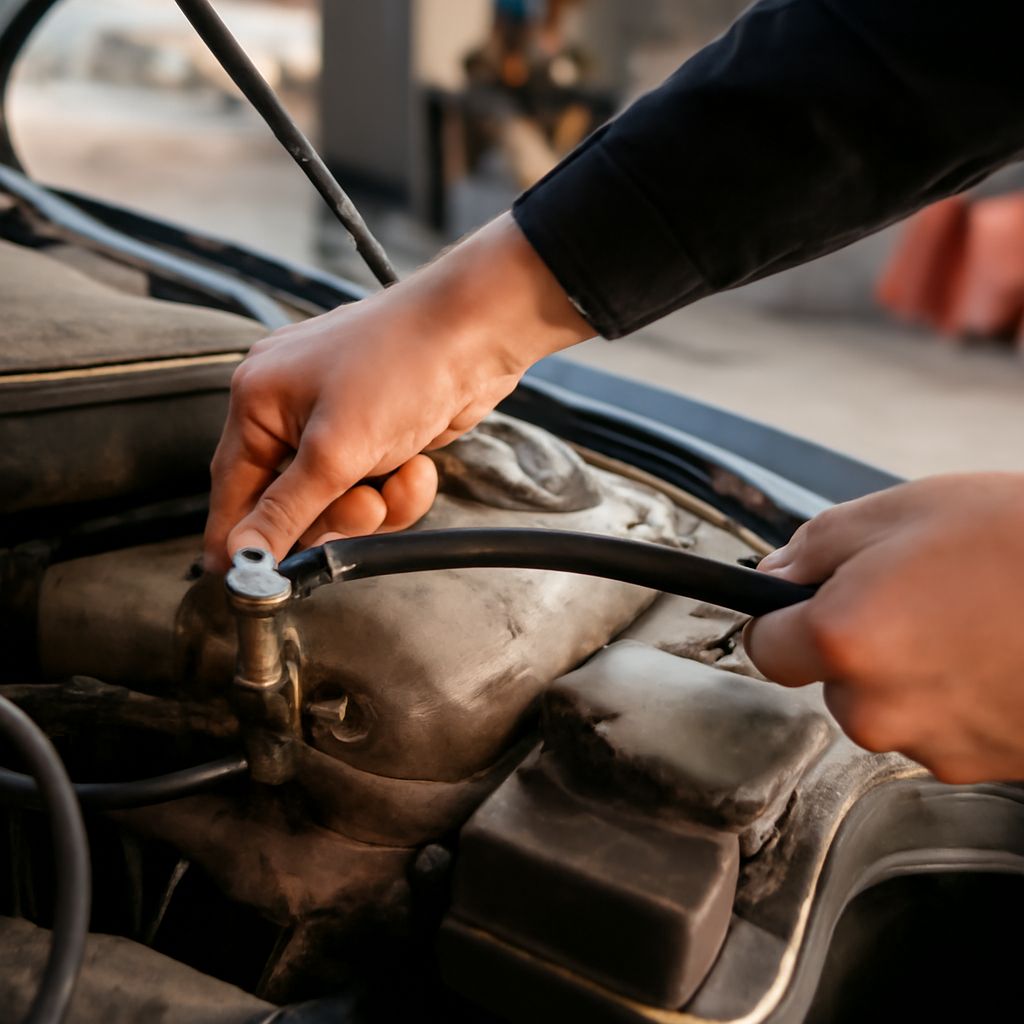
For minor issues, there are some DIY solutions. If the problem is a loose fitting or connection, tightening it might resolve the issue. Ensure that all components are properly secured to reduce noise.
If comfortable with handling refrigerants, sealing a small leak might be possible using a commercial sealant. However, caution is advised, as handling refrigerants can be hazardous without proper knowledge and tools.
When to Call a Professional
Not all problems can be fixed at home. If the hissing noise persists despite your efforts, or if you’re unsure about the source of the problem, it’s wise to call a professional. An expert can safely handle refrigerant issues and ensure all components function correctly.
Professional intervention is also recommended if the noise is accompanied by reduced cooling performance or if there’s suspicion of a major leak. Experts can provide thorough checks and repairs, restoring your AC’s efficiency and reliability.
Next Steps
To maintain your vehicle’s HVAC system, regular checks and timely maintenance are key. Addressing minor issues before they become significant problems can save time and expense. Whether through DIY fixes or professional services, ensuring the health of your car’s AC system is an investment in comfort and peace of mind.