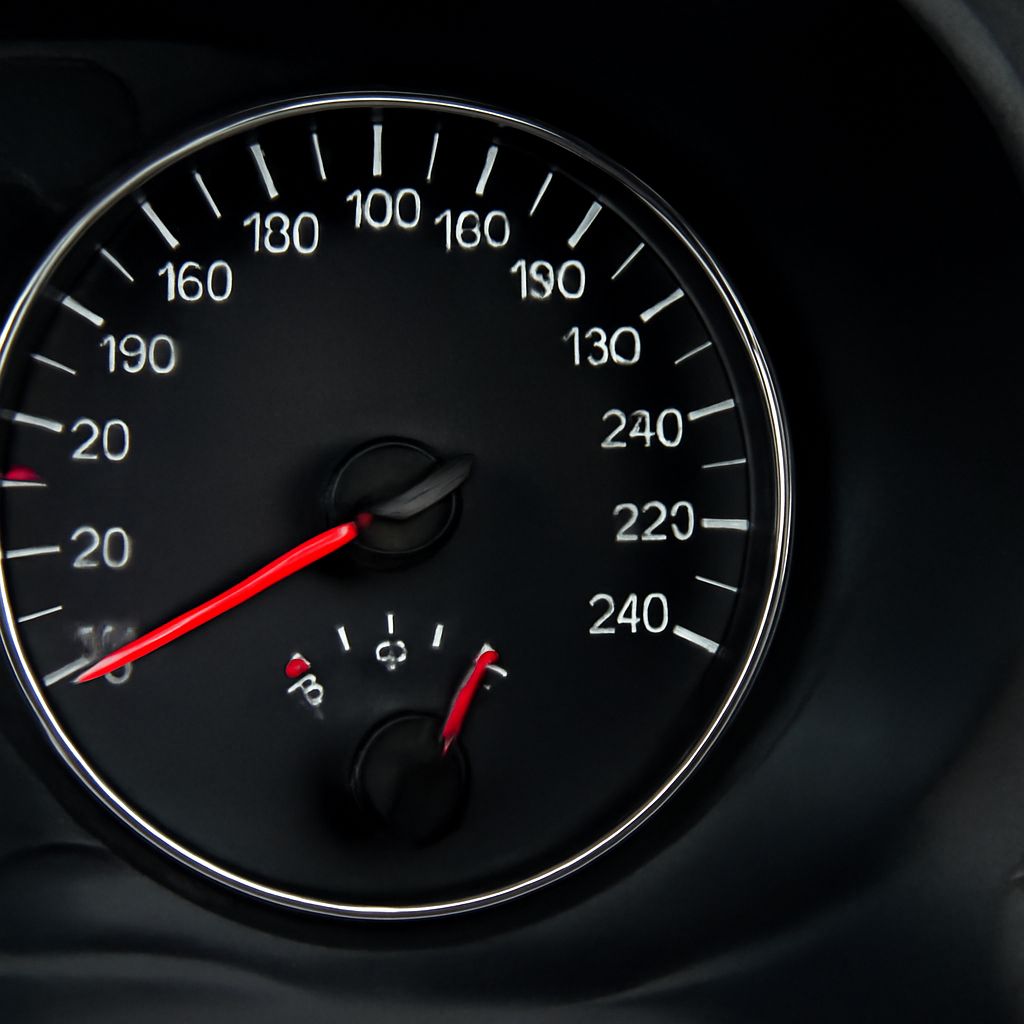
Ever wondered why your car idles high when you start it up or come to a stop? A high idle can indicate several underlying issues, and understanding them is key to finding an effective solution. If your car idles high, it might be due to problems such as a malfunctioning throttle or vacuum leaks. Understanding these potential issues will help in addressing them promptly and maintaining your vehicle’s performance.
Understanding Why Your Car Idles High
Car idling refers to the engine running while the vehicle is stationary. When a car idles high, the engine speed is higher than typical. This situation might be temporary, such as when the engine is cold, but if persistent, it indicates a problem. Identifying the root cause is essential to prevent further damage and ensure optimal functioning of the vehicle.
High idle speeds can affect fuel efficiency and may lead to increased wear and tear on engine components. Addressing these issues early can save on extensive repairs and extend the lifespan of the car.
Common Causes of High Car Idle
A common cause of a car idling high is a malfunctioning throttle. The throttle controls the amount of air entering the engine. If it becomes faulty or dirty, it might cause the engine to idle at higher speeds. Ensuring the throttle is clean and functioning is crucial to maintaining proper idling speed.
Another potential cause is a vacuum leak. Vacuum leaks occur when there is an unintended opening in the engine’s vacuum system, leading to an imbalance in the air-to-fuel ratio. This can cause the engine to run faster than normal, leading to high idle speeds. Regular checks and sealing of leaks can substantially mitigate this issue.
How to Fix a Car Idling High
Fixing a car that idles high often begins with a thorough inspection of the throttle body. Cleaning the throttle can resolve minor issues caused by dirt and debris. If cleaning does not solve the problem, the throttle position sensor might require adjustment or replacement. Ensuring the throttle functions correctly is a foundational step in resolving high idle issues.
Addressing vacuum leaks involves identifying any damaged hoses or seals and replacing them. This not only helps restore the correct idle speed but also improves overall engine performance. Regular maintenance checks can help detect such issues early before they develop into more significant problems.
When to Seek Professional Help
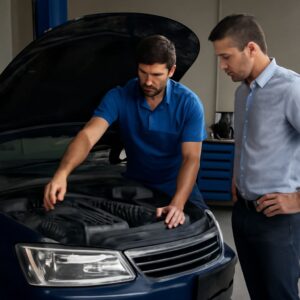
While some high idle issues can be resolved independently, others may require professional expertise. If cleaning the throttle or fixing vacuum leaks does not resolve the problem, it might be time to consult a mechanic. Persistent high idling could indicate more complex issues, such as problems with the engine control unit (ECU) or other intricate systems.
Professionals have the tools and diagnostic equipment necessary to perform in-depth analysis and ensure all components are functioning correctly. Following professional best practices ensures the repair is thorough and aligns with automotive standards.
Next steps: Regularly schedule maintenance checks to prevent high idle issues from developing. Keeping the throttle clean and ensuring no vacuum leaks can extend the engine’s life and maintain its efficiency. If issues persist, don’t hesitate to seek professional assistance.