A clear reminder and a reliable service record help you know when to arrange the next oil change—and what was actually done at the last one. An oil-change sticker puts the next check in sight, while a personalized oil-change sticker can add fields that fit the way you keep records. The date or mileage printed on either should come from the schedule for your vehicle, not from the size of the sticker.
Think of the windshield reminder as a small calendar, not a maintenance history. It can prompt you to act, but the receipt or log explains the work behind the reminder. Keeping both makes it easier to resolve a disagreement between a shop’s suggested date and the car’s own instructions.
What the sticker should tell you
A readable label should distinguish the last service from the next due point. If there is room, write the date and odometer reading when the oil was changed, followed by the next date and mileage or the instruction to follow the vehicle’s maintenance reminder. Label each field clearly: “changed at 42,000 miles” and “check by 47,000 miles” are less likely to be confused than two bare numbers.
Use a dark, fine-tip marker that works on the label material, and let the ink dry before handling it. Choose lettering large enough to read from the driver’s seat without leaning across the dashboard. A small sticker that becomes illegible in sunlight has retired earlier than the oil did.
Place a service reminder where it does not obstruct your view, vehicle sensors, or inspection stickers, and follow local rules and the vehicle manufacturer’s instructions. If a windshield location is unsuitable, use another accessible spot or a calendar reminder. Remove an old reminder when you replace it so that two different dates do not compete for attention.
Custom oil change stickers: useful fields, not a new schedule
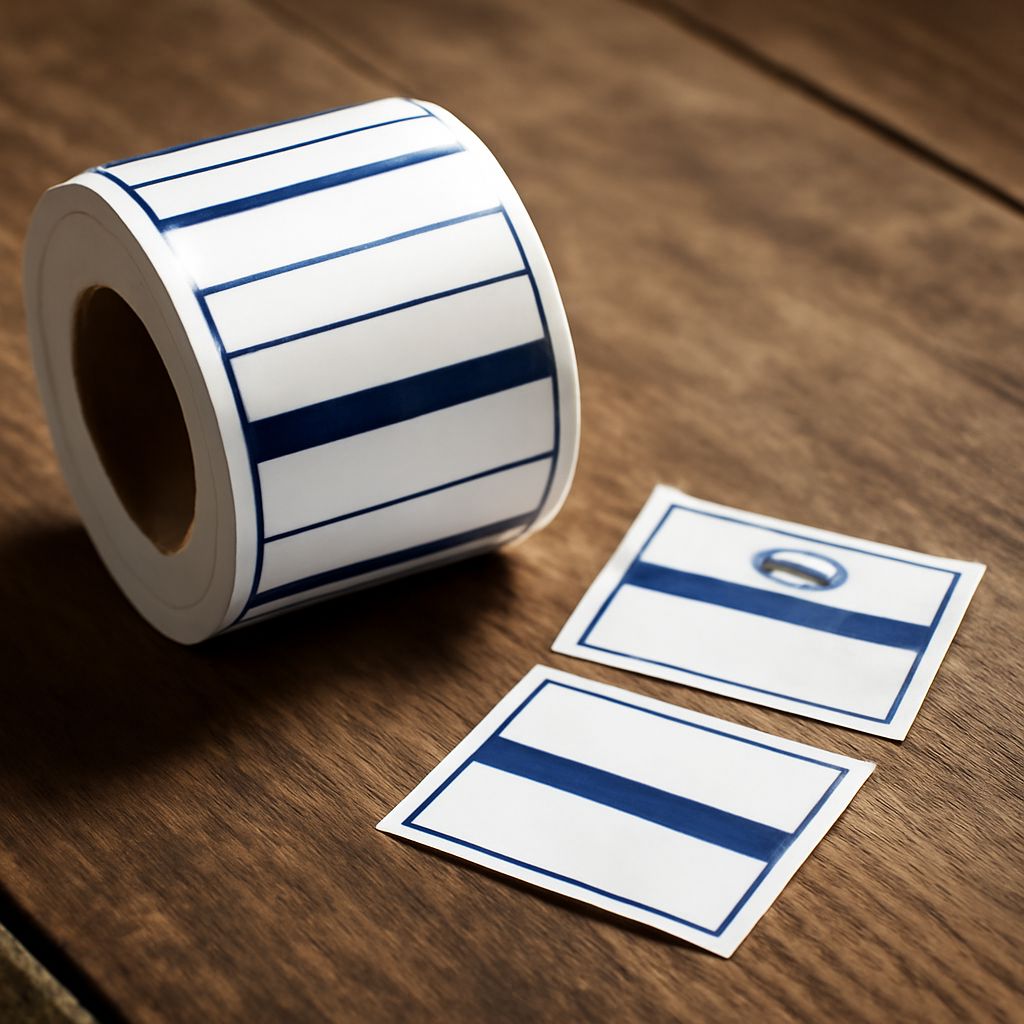
Preprinted oil change stickers can be convenient if their fields match your needs. A blank version leaves more room for handwriting. When you maintain several vehicles or want consistent fields, custom oil change stickers can show a vehicle identifier, service date, mileage, and next check in a consistent order. You can also include a short note such as “see owner’s manual” or “follow oil-life display.”
For a personally printed oil-service sticker, prioritize contrast and usable writing space over a logo. Test one label first: can you write on it without smearing, read it in normal light, and remove or replace it without leaving a confusing layer behind? If a shop prints the label for you, ask which number is the completed service mileage and which is the suggested return mileage.
The design does not set the interval. A custom reminder for an oil change might arrive with a shop’s default mileage already filled in. Compare that number with the vehicle’s actual schedule and operating conditions before treating it as your deadline. If you change your driving pattern substantially, revisit the conditions listed in the manual.
Reconcile the sticker, manual, and dashboard
Find the maintenance schedule for your exact year, model, and engine. It may prescribe mileage and time limits, define special operating conditions, or rely on an oil-life monitor with additional limits. Read the footnotes as well as the main table. If the schedule says to act at the earlier of a date and mileage, write down both and follow the earlier one.
For example, Ford’s published maintenance guidance for one vehicle describes an oil-life monitor and also sets a maximum of one year or 10,000 miles between oil-change intervals. That figure illustrates how a display and a time or distance limit can work together; it is not a schedule for every Ford or every vehicle. Use the instructions for your own car.
If the shop’s sticker suggests an earlier visit than the manual or display, ask what it is based on. The shop may have used a default, or it may know about conditions relevant to your vehicle. Give it your driving pattern and ask which manufacturer instruction supports the recommendation. If the display calls for service earlier, follow the vehicle’s applicable instructions rather than waiting for a later sticker date.
After an oil change, confirm that the correct maintenance reminder was reset according to the manual. A reset is a way to start the monitor’s next cycle; it is not proof that oil or a filter was replaced. If the reminder was reset without the service, use the actual service record and seek the manufacturer’s guidance on restoring a reliable schedule.
Keep evidence of the work
Oil change labels are handy prompts, but an invoice provides more detail. Keep the receipt or a clear photo in a folder organized by vehicle. A useful entry includes the date, odometer reading, shop, oil viscosity and specification, quantity, filter, and any other work performed. If you do the job yourself, record the same details and retain purchase receipts. Note the next service basis, such as a manual section or the instruction to follow the monitor.
An oil-service label can fade, fall off, or be replaced at the next visit. A separate log preserves the history across those changes. It also helps a future technician identify what was used and helps you explain the car’s maintenance to a buyer. Store a digital copy somewhere you can retrieve it when changing shops or vehicles; a photo of a receipt is only helpful if you can find it again.
If you buy a used car with no clear records, contact the previous owner or servicing shop for documentation. Until you know what was done, mark the last service as unknown rather than copying an unverified sticker into the log as fact. A technician can help establish a service plan using the vehicle’s mileage, age, and available history.
A quick record after each service
Before leaving the shop, compare the receipt with the work requested and check the reminder. Save the actual service date and odometer reading, oil and filter details, shop or do-it-yourself receipts, and the next due date or mileage with its source. If the car uses a monitor, record that it was reset and keep the applicable time or mileage limits from the manual. Put the next check on the label or calendar, and keep the full record where you can find it.