A VIN search can tell you whether your particular vehicle has an open safety recall and what to do next. If you have seen a list of cars affected by the Takata airbag recalls or a notice about recalled air bags, use it as a reason to check your vehicle, then arrange the authorized repair if one is needed.
That distinction matters. A list may name a model without telling you whether your individual car is included or whether its recall repair has already been completed. The label on the car is easy to read. The 17 characters identifying that particular car do the real work.
Recall Airbags: Find Your VIN First
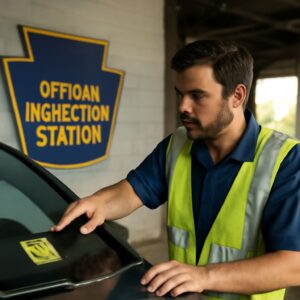
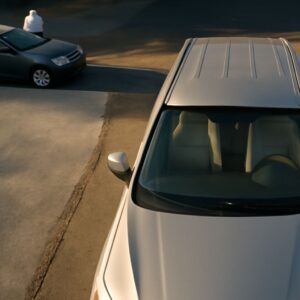
Your vehicle identification number, or VIN, is usually visible through the windshield at the lower left corner on the driver’s side. It is also on the driver’s doorjamb label and your registration; it may appear on your insurance card. Copy all 17 characters carefully. A single wrong character can send you looking at the wrong vehicle or produce an error.
Visit NHTSA’s recall lookup and enter the VIN. The National Highway Traffic Safety Administration’s search is free. A VIN search can show unrepaired safety recalls associated with the specific vehicle. Save the result or write down the recall number, the affected component, and any instructions you see. You can take those details to the dealer. A list of recalled Takata airbags explains the broader campaign, while this result identifies work recorded against your VIN.
A search by year, make, and model serves a different purpose: it returns general information for that model, including recalls and other records. It cannot establish the status of your own vehicle. If you are shopping for a used car, ask for its VIN and run the search before buying; repeat it after the purchase if the transaction takes time.
What the Results Actually Tell You
An open car airbag recall means the record identifies an outstanding recall for that VIN. Read the complete entry, including the safety risk, remedy status, and any interim instructions. More than one recall may appear, and each can involve different work. Ask the dealer about every open item when you call. The recall for your car airbag may identify the driver side, passenger side, or another affected component.
If the search reports zero unrepaired recalls, it means the tool found none associated with that VIN in the information it displays. It does not provide a complete repair history. NHTSA says the search does not show recalls already repaired, some recently announced recalls while VINs are still being identified, and certain older recalls or vehicles outside its coverage. Check the lookup page’s limitations and contact the manufacturer if you have questions about a particular campaign or prior repair.
The takata airbag recall list on NHTSA’s Takata page gives useful background, but NHTSA explicitly says the model list cannot guarantee whether a specific vehicle is included. What cars are on the recall list for airbags? The listed makes and model years are a starting point; the VIN check establishes the individual record available at the time of the search.
Check With the Manufacturer, Too
Use the vehicle manufacturer’s official recall page or contact its customer service with your VIN. NHTSA provides manufacturer contact information from its Takata page. The manufacturer’s VIN information may include recall details not yet posted on NHTSA’s site. If the two sources differ, ask the manufacturer or an authorized dealer to explain the status of the specific recall number and whether its repair is recorded as complete.
An airbag recall list of vehicles cannot tell you which owner arranged a past repair. If you have a service receipt or a notice, keep it and ask the manufacturer to check its records. A previous owner may have had one campaign completed while another remains open. The dealer can use the VIN to identify the work still due. A list of vehicles with recalled Takata airbags cannot substitute for that record.
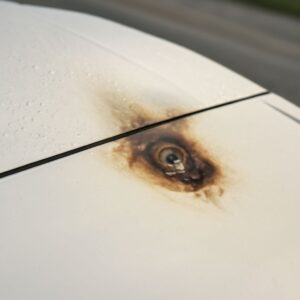
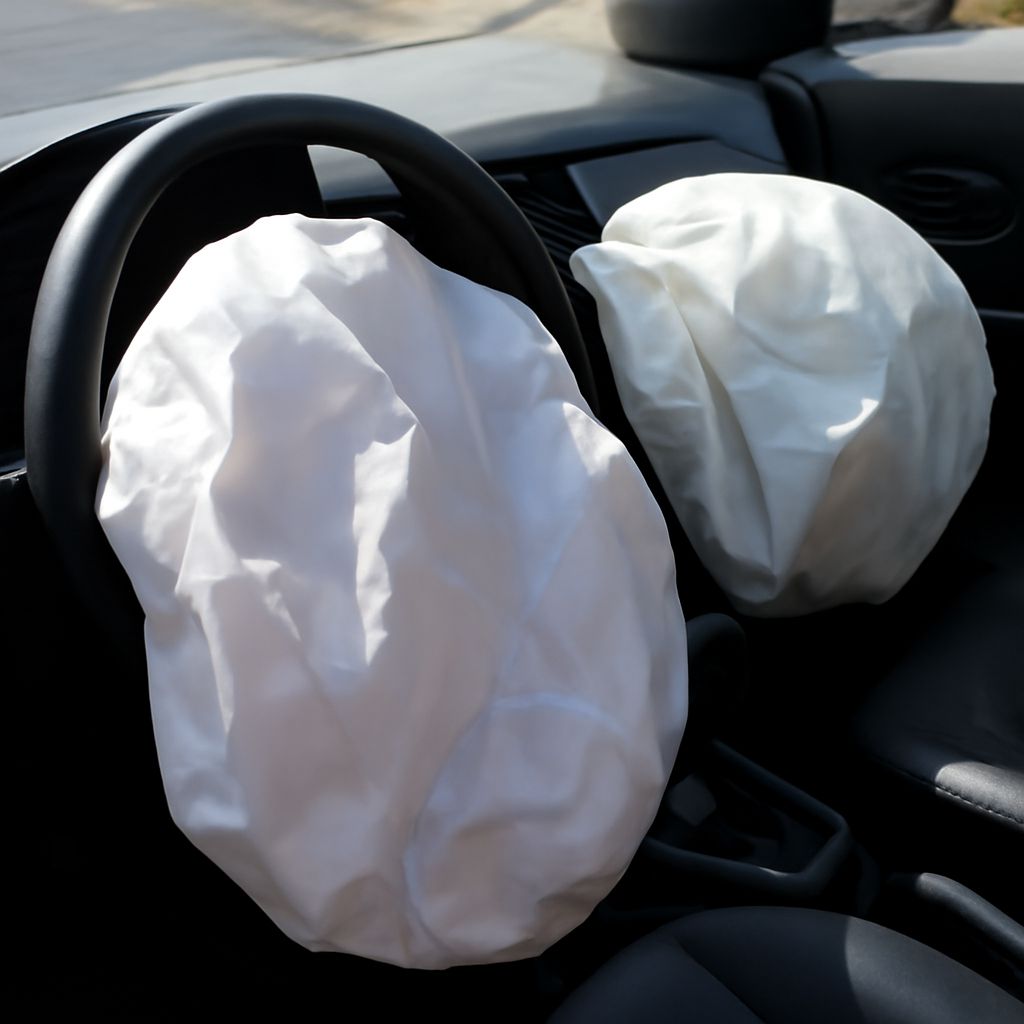
Manufacturers recall airbags when a safety defect requires a remedy. In the Takata recalls, some defective inflators can rupture and send metal fragments into the vehicle. That is why a notice deserves attention even when the airbag warning light is off and nothing appears wrong during ordinary driving.
Schedule the Authorized Remedy
If your VIN shows an open recall and a remedy is available, contact an authorized dealer for your vehicle’s brand promptly. Give the service department the VIN and recall number, and ask it to confirm that the necessary parts are available before you arrive. When airbags are recalled, the dealer can confirm which parts the remedy requires. NHTSA directs owners to dealers for free recall repairs. Ask how long the work will take and whether the dealer needs the vehicle in advance.
Follow the exact safety instructions attached to your vehicle. Some affected vehicles carry a do not drive warning. If yours does, do not drive it to the appointment; contact the dealer or manufacturer about a safe way to obtain the repair. For example, in its February 11, 2026 alert, NHTSA reported that FCA US had issued such a warning for its vehicles with open, unrepaired Takata recalls. The applicable instruction depends on your vehicle and recall.
If parts or a remedy are not yet available, ask the manufacturer or dealer what interim instructions apply to your VIN, how you will be notified, and when to check back. Follow those instructions while waiting. NHTSA says manufacturers notify owners when Takata repair parts become available. If a warning says not to drive, the absence of parts does not cancel it; ask the manufacturer about arrangements.
Once the work is finished, keep the repair order showing the VIN and campaign number. It documents the repair of the recalled airbag for your records. Ask the dealer when its records will reflect completion, then check again. If the recall continues to appear open, contact the dealer or manufacturer with the repair record so the discrepancy can be investigated.
Keep the Check Current
A recall may be announced after your last search. NHTSA recommends checking your VIN at least twice a year and offers recall alerts and its SaferCar app. Keep your vehicle registration address current so the manufacturer can reach you. These steps are especially helpful after buying a used car, when the manufacturer may not yet have your current details.
For a quick reminder: check the VIN, establish the status and any safety instructions with the manufacturer, and schedule the authorized fix as soon as the remedy is available.