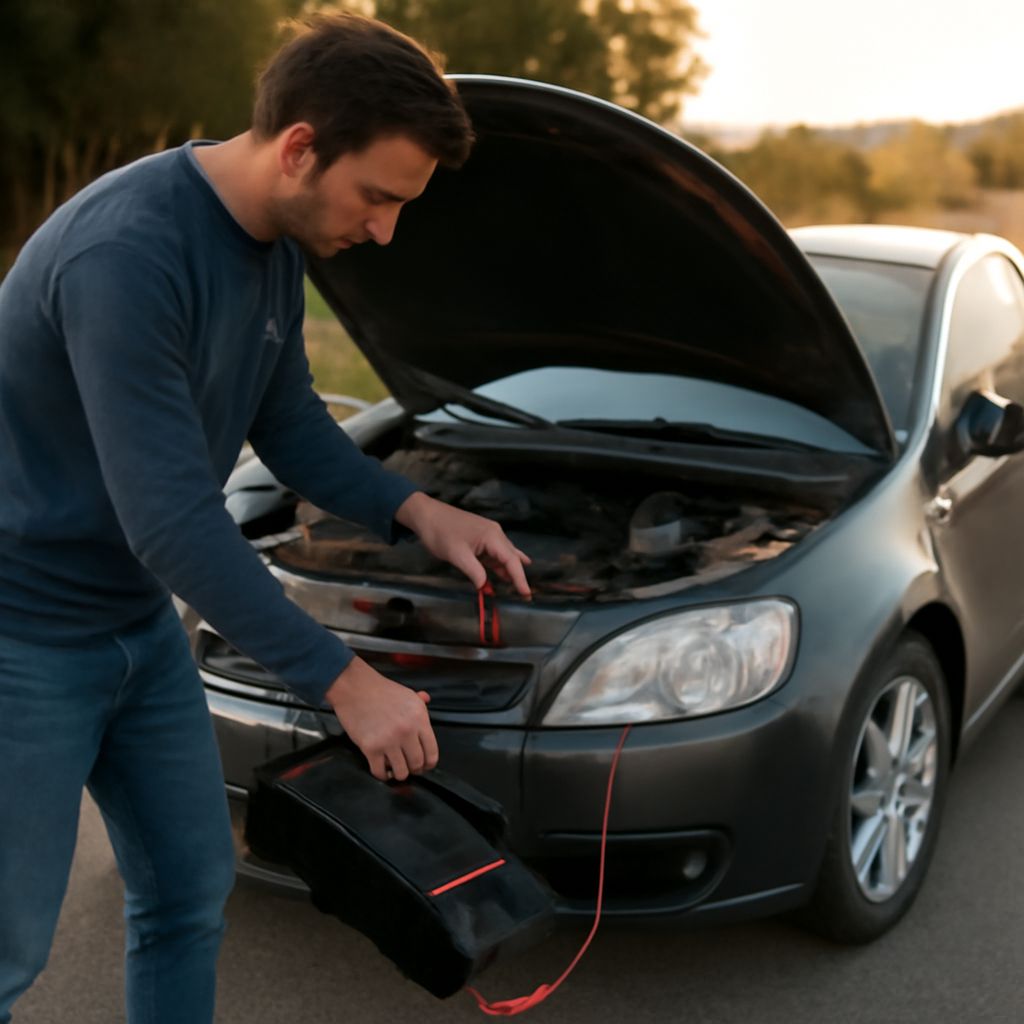
Have you ever wondered, after jumping a car, how long should it run to ensure the battery is adequately recharged? This question often arises among vehicle owners who find themselves dealing with a dead battery. While jump-starting can get your car back on the road, understanding the necessary steps thereafter is crucial for maintaining optimal battery health.
Proper care and attention are essential, especially after a jump start, to prevent future issues and keep your vehicle running smoothly. The following guide will provide insights into why your car needs to run after a jump, the optimal duration, tips to maintain a charged battery, and common mistakes to avoid.
Understanding Why Your Car Needs to Run After a Jump
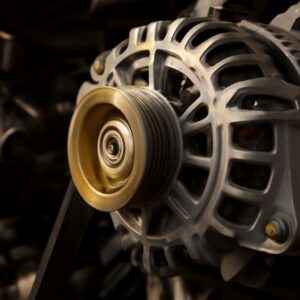
When you jump-start a car, the alternator begins the process of recharging the battery. However, this process is not instantaneous. The alternator converts engine power into electrical energy, replenishing the battery’s charge. If the car is turned off too soon, the battery might not gain enough charge to restart the engine later.
Running the car allows the alternator to restore the battery’s strength, ensuring it holds a charge for future starts. This process is vital for preventing unexpected battery failures and maintaining the vehicle’s electrical systems.
How Long to Run Car After Jump for Maximum Efficiency
After jumping a car, how long should it run for maximum efficiency? It is generally recommended to let the engine run for at least 20 to 30 minutes. This timeframe allows the alternator to adequately charge the battery. If possible, driving the car instead of idling can enhance this process, as higher engine speeds increase alternator output.
However, factors such as battery age and temperature conditions can influence the required charging time. Older batteries or cold weather might necessitate longer durations to reach full charge. Regular monitoring of the battery’s condition can help tailor these recommendations to specific circumstances.
Tips to Ensure Your Battery Stays Charged
To prevent the need for frequent jump starts, regular battery maintenance is key. Here are some tips to keep your battery charged and reliable:
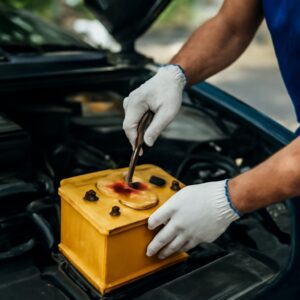
- Regularly inspect battery terminals for corrosion and clean them as needed.
- Ensure the battery is securely mounted to prevent vibrations that can shorten its lifespan.
- Limit short trips that do not allow the battery to fully recharge.
- Turn off lights and electrical accessories when the engine is not running.
Implementing these practices helps in maintaining a charged battery, reducing the likelihood of unexpected failures.
Common Mistakes to Avoid After Jump Starting Your Car
After jump starting, certain mistakes can compromise battery health. Avoid turning off the engine immediately after the jump. Doing so restricts the time for the alternator to recharge the battery.
Another common misstep is relying on short drives to recharge the battery. Longer drives or letting the engine run for the recommended duration is more effective. Regularly monitoring your battery’s charge level and ensuring it remains healthy can prevent these and other pitfalls.
Pro tips recap: After jumping a car, run it for at least 20 to 30 minutes to ensure proper battery recharge. Regular maintenance, such as cleaning terminals and limiting short trips, can help maintain battery health. Avoid immediate engine shutdowns post-jump and rely on longer drives to fully recharge the battery. Implement these strategies to extend battery life and avoid future jump starts.