How do you know if your vehicle’s electrical issues are due to a failing battery or a malfunctioning alternator? Recognizing the difference between a bad car battery and alternator problems is crucial for maintaining your vehicle’s reliability. In this guide, we will explore the subtle yet significant differences between these common automotive issues. By understanding the signs of a bad car battery, you can prevent unnecessary repairs and keep your car running smoothly.
Identifying Signs of a Bad Car Battery
The first step in addressing electrical concerns is to identify signs of a bad car battery. These signs can include dim headlights, a slow engine crank, and the check engine light being illuminated. If your car’s battery is failing, you may also notice issues with the interior lights or electronic accessories. Understanding these symptoms can help pinpoint battery-related problems before they escalate.
Comparing Symptoms: Bad Car Battery vs Alternator Issues
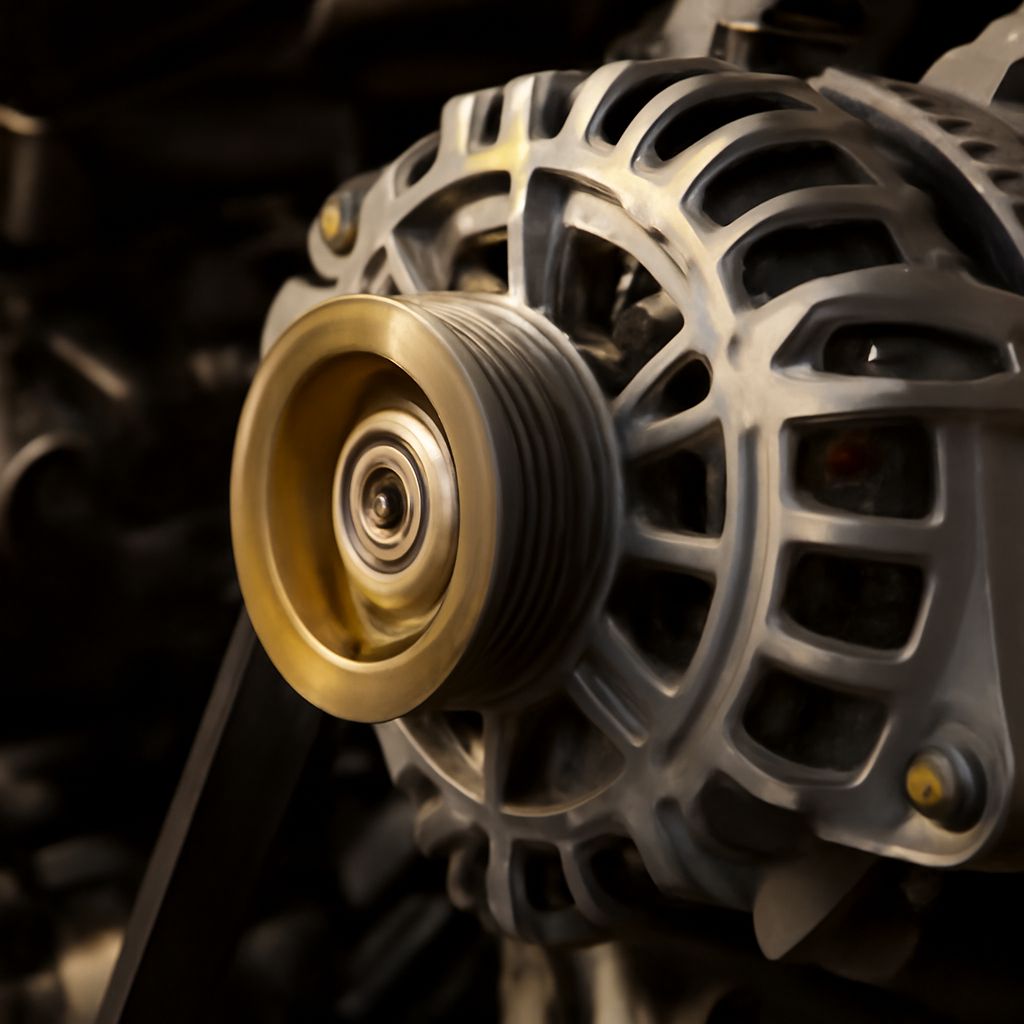
Distinguishing between bad car battery symptoms and alternator issues can be challenging. A bad car battery often leads to a slow or no start situation, whereas alternator problems might cause the battery to lose its charge quickly. In both cases, the vehicle may experience electrical system failures. However, if the battery warning light turns on while driving, it is more likely an alternator problem. This is a critical distinction in understanding how to tell if your car battery is bad.
How to Tell if Your Car Battery is Bad
Testing Your Car Battery
One effective way to determine if your battery is at fault is through a battery test. A multimeter can measure the voltage output, which should be around 12.6 volts when the car is off. If the reading is significantly lower, it is a sign of a bad car battery. Alternatively, many auto parts stores offer free battery testing services to help you identify if the battery is the source of the problem.
Visual Inspection Tips
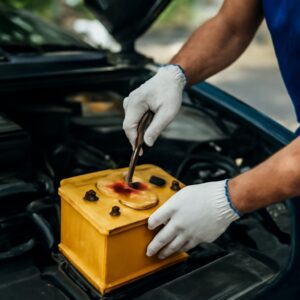
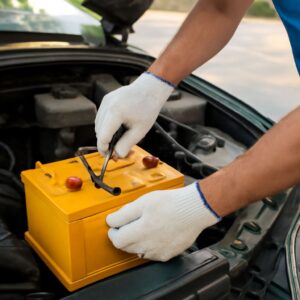
Regular visual inspections can also help detect bad car battery symptoms. Look for corrosion around the battery terminals, which can impede electrical flow. Swollen or cracked battery casing is another indication of a failing battery. Ensuring that the battery is securely mounted and the terminals are clean can prevent further issues.
Common Bad Car Battery Symptoms
There are several bad car battery symptoms to watch for. Frequent need for jump-starts, especially in cold weather, indicates a weak battery. If the vehicle’s lights dim while idling, this may also suggest a low-performing battery. Moreover, an unpleasant rotten egg smell could indicate a leaking battery. Being aware of these symptoms can prevent sudden breakdowns and costly repairs.
Next steps: Regular maintenance and periodic testing can help extend the life of your battery. Ensure connections are clean and secure, and schedule professional inspections as part of routine vehicle maintenance. By staying proactive, you can address issues early and maintain vehicle reliability.