When a car accident occurs, the question of who is liable—the owner or the driver—often arises. Is it always the driver’s responsibility, or can the car owner also be held accountable? Understanding liability can be complex, especially in situations involving owner-operator car haulers or when drugs are discovered in a vehicle. This article explores how to tell who is at fault in a car accident and examines various scenarios to determine liability.
For owner-operator car haulers, the stakes are even higher as both the role of the owner and the driver might be scrutinized. Meanwhile, if drugs are found in your car, the implications of liability can shift drastically, adding another layer of complexity to the situation. Let’s delve into these issues to gain clarity and ensure all parties understand their rights and responsibilities.
Understanding Liability: Owner vs. Driver
Determining liability in a car accident often involves assessing who was negligent. While drivers are typically considered at fault for accidents they cause, there are circumstances where the vehicle owner may be liable. If the driver was operating the vehicle with the owner’s permission, the owner might share liability under the “vicarious liability” principle.
Furthermore, if the owner knowingly allowed an unqualified or impaired driver to use their vehicle, they could be held accountable. This principle underscores the importance of owners ensuring that they entrust their vehicles to responsible and qualified drivers.
How to Tell Who is at Fault in a Car Accident
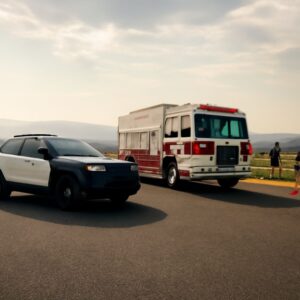
To determine fault in a car accident, various factors must be considered, such as traffic laws, witness statements, and physical evidence from the scene. Police reports often play a crucial role, as they provide an official account of what happened and may indicate which party was negligent.
Insurance companies also conduct their own investigations to establish liability. They examine the evidence and assess any violations of road safety laws to ascertain who should bear the financial responsibility for damages. Understanding these processes can help all involved parties navigate the aftermath of an accident more effectively.
Common Car Accident Scenarios and Determining Fault
Different types of car accidents can involve varying liability implications. In rear-end collisions, the driver who hits the vehicle in front is usually considered at fault. However, exceptions exist if the leading car’s actions were unpredictable or illegal.
In intersection accidents, determining fault can be more complex, as multiple drivers may share responsibility. Factors such as traffic signals, right-of-way rules, and driver behavior at the time of the incident are all examined to assign liability accurately.
Owner Operator Car Hauler: Special Considerations
For owner operator car haulers, liability issues can be particularly intricate. These individuals often own the vehicles they operate, blurring the lines between driver and owner responsibilities. In accidents involving haulers, both the operational conduct of the driver and the maintenance of the vehicle are scrutinized.
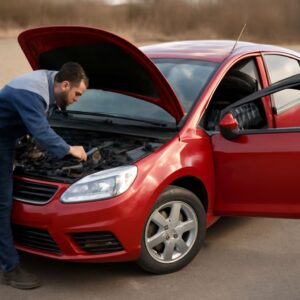
If an accident is caused by vehicle malfunction due to poor maintenance, the owner, even if they are also the driver, may be deemed liable. Compliance with safety standards and regular vehicle checks is crucial to mitigate these risks.
If Drugs Are Found in Your Car: Who is Responsible?
When drugs are found in a car after an accident, the question of liability can become more complicated. The driver caught with drugs may face criminal charges, potentially impacting their liability for the accident. However, the car owner might also share responsibility, particularly if they were aware of or condoned the presence of drugs in the vehicle.
In such cases, legal consequences can extend beyond civil liability to include criminal penalties, emphasizing the importance of maintaining a drug-free environment in one’s vehicle. This situation highlights the need for car owners and drivers to be vigilant and proactive in preventing illegal activities involving their vehicles.
Key takeaways: Liability in car accidents can involve both the owner and the driver, depending on the circumstances. Understanding the factors that determine who is at fault, especially in complex scenarios like owner-operator cases or drug-related incidents, is essential. Adhering to best practices and safety standards can help mitigate liability risks.