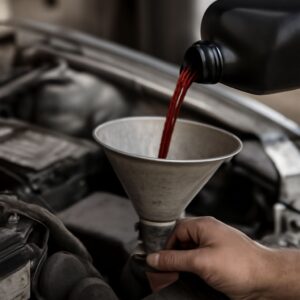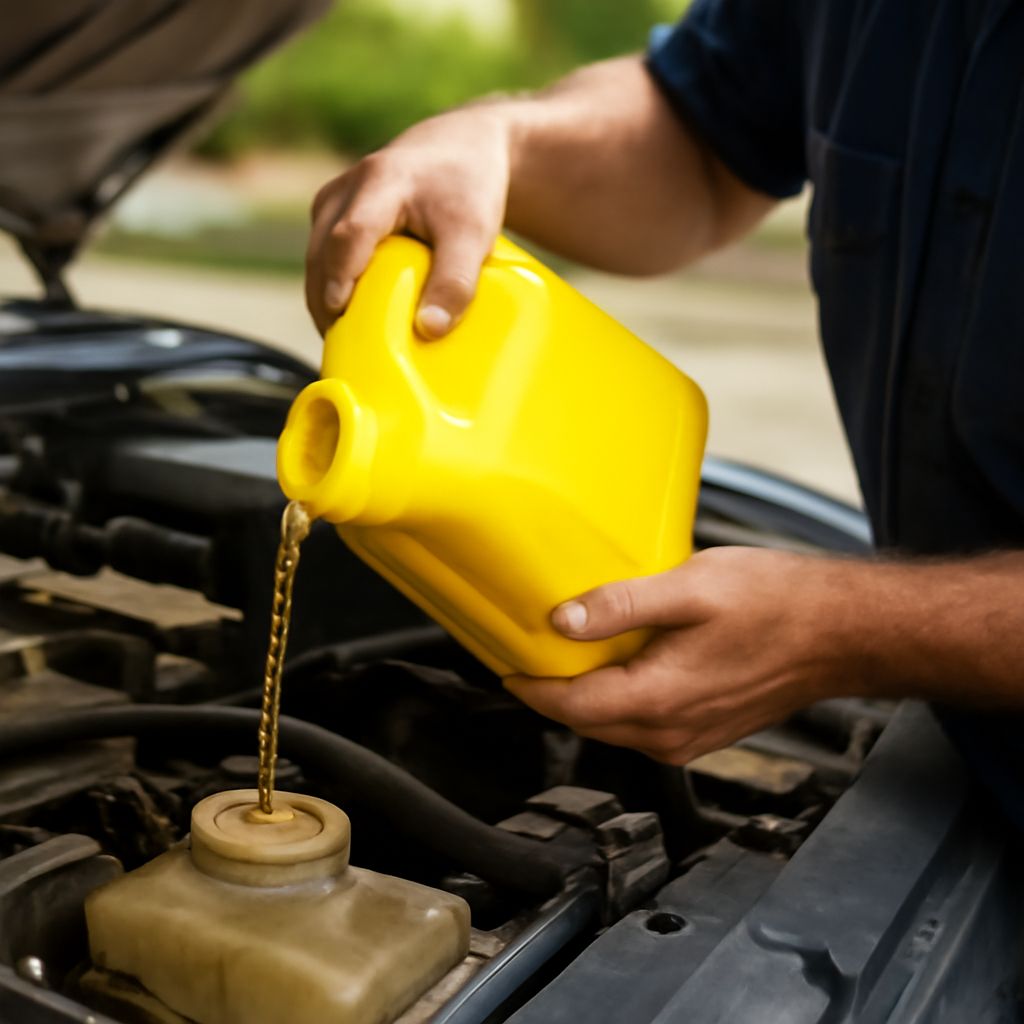
The amount on a cooling-system estimate depends first on what the shop plans to do: drain and refill the coolant, or flush the system as well. The price of a coolant system flush can reflect additional labor and materials; the cost of flushing a radiator depends on the work included. Ask for the procedure before comparing totals.
A service name can fit on a receipt while leaving a surprising amount unsaid. Two shops may both offer “coolant service,” yet plan different procedures, fluids, and checks. A useful estimate spells out enough detail to show where your money is going and whether the service fits your vehicle.
Radiator Flush Cost: What Are You Buying?
A drain and refill removes coolant through the available drain points and replaces it with fresh fluid. Some old coolant can remain in parts of the system that do not drain. A flush generally adds a process for moving fluid through the system to remove more of the old coolant or contaminants. Shops use the word differently, so ask what their procedure includes and which parts of the system it reaches.
A radiator flush cost can reflect a more involved procedure than a simple refill. To flush a radiator, cost is only one consideration: the method must suit the vehicle and its condition. The price of flushing the radiator also depends on the work included. Ask whether the shop uses a machine, a cleaning product, or another method, and whether the quoted service includes removing the cleaning solution and refilling the system. A machine is a method, not a promise that every passage will be perfectly clean.
The right choice depends on the vehicle’s maintenance requirements and the condition of its cooling system. A routine service due under the manufacturer’s schedule may call for coolant replacement; contamination or a repair may call for additional work. Ask the technician to describe what they found and why their proposed procedure addresses it. If the answer is simply “it’s time for a flush,” ask what schedule or condition makes it time.
Start With the Vehicle and the Schedule
Give each shop the same year, make, model, engine, and mileage. Mention any known cooling-system repairs or previous coolant changes. This lets the shop check the vehicle’s requirements and plan for its capacity and access. Keep the owner’s manual or manufacturer’s maintenance information handy so you can compare the recommended service and interval with the estimate.
If you are asking how much does a coolant flush cost, provide the same service request to both shops. A vehicle that needs an unusual coolant or a more involved bleeding procedure can produce a different estimate from another car. Local labor rates and shop practices also affect the total, so a generic number is a poor substitute for a written quote for your vehicle.
An estimate for scheduled maintenance and an estimate for diagnosing overheating answer different questions. If the engine is overheating or coolant keeps disappearing, tell the shop before booking a routine service. Ask whether inspection and diagnosis are included and how the shop will contact you before adding repairs. A fluid service alone does not identify the cause of a leak.
Read the Fluid Line Carefully
The coolant replacement cost includes more than the color of the liquid. Ask the shop to identify the product and the manufacturer specification it meets for your vehicle. Color is not a reliable way to establish compatibility. Ford’s coolant position statement, for example, cautions that mixing coolants may harm the cooling system. Your own manufacturer’s documentation determines the specification to discuss for your car.
The estimate should also show the quantity and whether the product is premixed or concentrate. Concentrate must be mixed to the specification for the vehicle; a premixed product already contains water. A quote listing one gallon of concentrate is not directly comparable with one listing one gallon of premix. Ask what final mixture the shop intends to use and whether all fluid needed for the job is included.
If a shop proposes a product labeled “universal,” ask it to identify the specification on which it bases compatibility. The answer should connect the product to your car’s requirements, rather than rely only on the label. Keep the product and specification on the final invoice for the next service.
Look Beyond the Service Name
Your coolant flush cost should identify labor, fluid, and any additional materials. The coolant flush price is easier to compare when each item is shown. A written quote also makes it easier to distinguish work included in the service from optional recommendations. Ask about these details:
- Scope: Is the quote for a drain and refill or a flush? Does it include a cleaning chemical, and how is that removed?
- Refill and bleeding: Does the service include filling to the proper level, removing trapped air using the procedure for the vehicle, and checking the level afterward?
- Checks: Are a visual leak inspection or pressure test included, and will either be charged separately?
- Fees and tax: Are shop supplies, waste handling, and applicable tax included in the total?
- Authorization: If the technician finds a damaged hose or leak, will the shop provide a separate estimate before repair?
Ask each shop how long the vehicle will be needed and whether the quote has an expiration date. A low estimate with fluid or labor added later may end up higher; an itemized one lets you see the difference before leaving the keys.
Ask About Used Coolant
Used antifreeze needs proper handling. It can contain toxic substances and contaminants collected from the cooling system. The EPA’s used-antifreeze guidance describes recycling and warns against pouring it on the ground or into drains. Ask whether the shop recycles or otherwise disposes of it through an appropriate service, and whether a waste fee appears separately on the estimate.
A separate fee is not automatically a problem. The question is whether it is already included when you compare the cost for coolant flush at one shop with another estimate. The same applies to the cost for radiator flush: include disposal, supplies, and tax where applicable before comparing the final amounts.
Put the Quotes Side by Side
Request a written total from each shop for the same vehicle, procedure, coolant specification and quantity, labor, checks, waste handling, and applicable fees. If one quote includes a pressure test and the other does not, ask for the missing item separately or compare both without it. Keep any diagnosis or repair as its own line.
Use the same rule for the final decision: compare two offers only after their work and materials match, then choose the shop and total that make sense for the service your vehicle needs.