Have you ever found yourself staring at a crack on your car’s windshield, wondering if it’s time for a repair, or worse, a replacement? Car windshield repair is often an urgent matter, yet many drivers mistakenly delay broken car window repair, thinking the damage is minor. But why is prompt action crucial for maintaining your vehicle’s safety and integrity? This article will delve into the nuances of car window glass repair, offering practical insights on when to tackle repairs yourself and when to seek professional help.
Understanding Car Windshield Damage
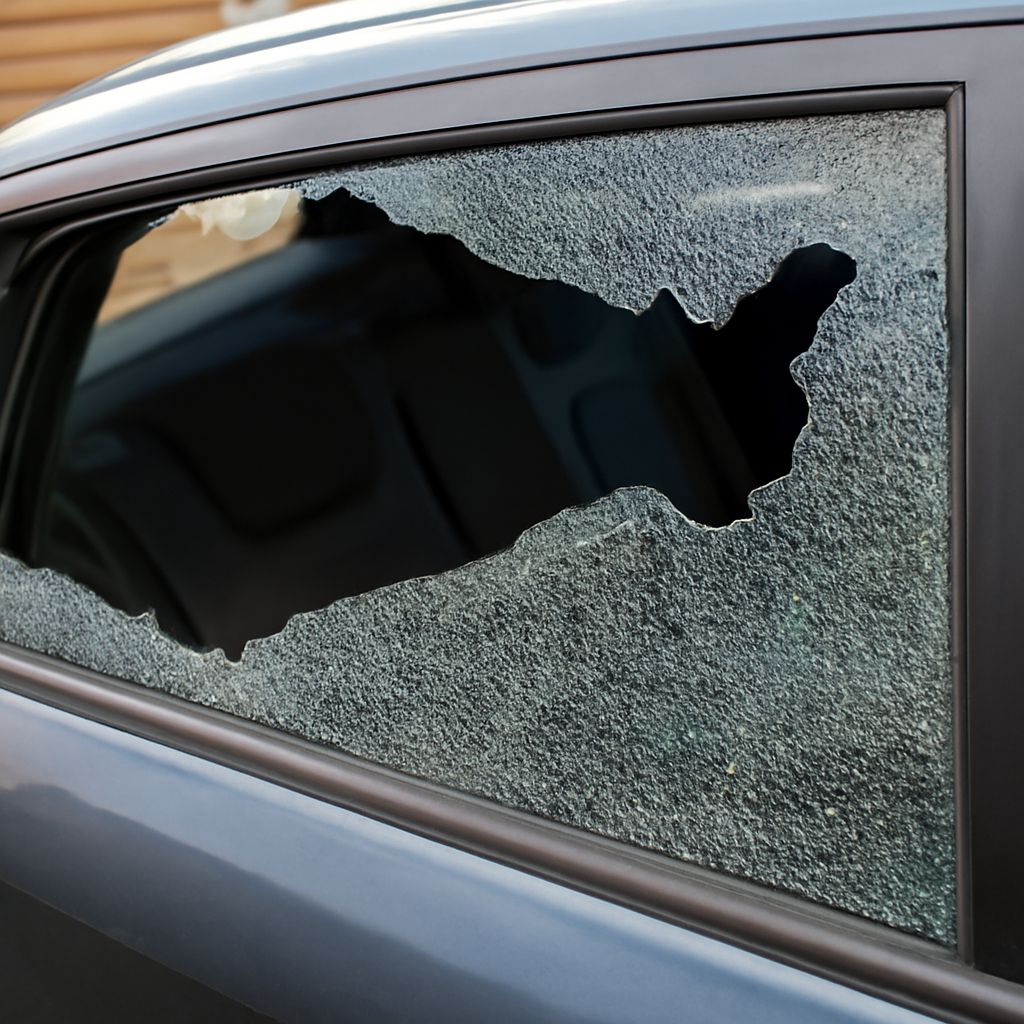
Car windshields are subject to a variety of damages, from minor chips to more severe cracks. The severity of the damage often depends on the cause, whether it’s a flying stone on the highway or a sudden temperature change. Chips are surface-level issues, usually resolved with quick repairs, whereas cracks can spread if not promptly addressed. Understanding the nature of the damage is the first step in your car window glass repair journey.
Why You Shouldn’t Delay Broken Car Window Repair
Delaying broken car window repair can exacerbate the problem, compromising your vehicle’s safety. A damaged windshield is less effective at protecting passengers during an accident. Furthermore, cracks can obstruct the driver’s view, increasing the risk of accidents. Timely car window glass repair not only enhances safety but also saves money by preventing further deterioration that might require a complete replacement.
DIY Car Window Glass Repair: Tools and Steps
Tools Needed
For those who opt to handle minor repairs themselves, a basic understanding of the necessary tools is essential. A standard car windshield repair kit typically includes a resin solution, an applicator, and curing strips. These kits are readily available and designed for user-friendly application. The right tools ensure that you can effectively manage small chips and minor cracks.
Step-by-Step Guide
Embarking on a DIY car window glass repair requires a methodical approach. Start by cleaning the affected area to remove debris. Next, carefully apply the resin solution over the chip or crack using the applicator. Apply curing strips and let the resin cure under sunlight or a UV lamp. Finally, remove the strips and clean any excess resin. Following these steps meticulously ensures a successful repair.
When to Call a Professional for Car Windshield Repair
While DIY methods can be effective for minor damages, certain situations necessitate professional intervention. If the crack is longer than a few inches, or if it’s located at the edge of the windshield, professional car windshield repair is advisable. Additionally, damage that affects the driver’s line of sight should always be addressed by a specialist. Professionals adhere to industry standards, ensuring the structural integrity and safety of your windshield.
Pro tips recap: Promptly address any car windshield damage to maintain vehicle safety. For minor chips, consider DIY repair with the correct tools. For extensive or obstructive damage, seek professional help to ensure compliance with safety standards.