Is there anything more frustrating than finding yourself stuck in the driveway because your car clicks but won’t start? For many drivers, a rapid clicking car won’t start scenario is a common yet perplexing issue. This article delves into why this problem occurs and how you can troubleshoot and resolve the problem to get back on the road as quickly as possible.
Understanding the root causes of this issue is crucial to effectively addressing it. Whether it’s a drained battery, a faulty starter motor, or an underlying electrical fault, learning why your car clicks but won’t start can save you both time and money. Let’s explore the primary causes and solutions to help you diagnose and fix the problem.
Understanding Why Your Car Clicks But Won’t Start
When a car clicks but won’t start, it’s usually due to an interruption in the starting process. The clicking noise is often a sign that the car’s electrical system is functioning enough to send power to the starter solenoid, but not enough to turn over the engine. This condition is different from a complete dead silence, which typically indicates a total loss of power.
Common Causes of Rapid Clicking When Your Car Won’t Start
Battery Issues
The most frequent cause of a rapid clicking car won’t start is a weak or dead battery. Batteries can lose charge due to age, cold weather, or leaving lights on. A battery that cannot provide sufficient power will cause the starter to click repeatedly.
Starter Motor Problems
A faulty starter motor can also lead to the rapid clicking car won’t start problem. If the starter motor doesn’t engage properly, it won’t be able to crank the engine, leading to a clicking sound as the solenoid repeatedly attempts to start the engine.
Electrical Faults
Electrical issues such as corroded battery terminals, damaged wires, or blown fuses can disrupt the flow of electricity. These problems can prevent the starter from receiving adequate power, resulting in a clicking sound instead of a smooth start.
Diagnosing the Problem: Easy Steps to Follow
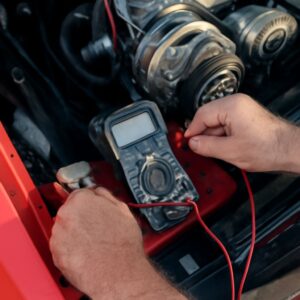
Before jumping to conclusions, follow these diagnostic steps. First, check your battery. Look for corrosion on the terminals and ensure the connections are tight. Next, test the battery’s voltage using a multimeter. If the battery seems okay, listen for unusual noises when trying to start the car and check for any dashboard warning lights. These signs can indicate whether the problem lies within the starter motor or elsewhere in the electrical system.
Solutions to Get Your Car Running Again
If a weak battery is the culprit, jump-starting the car may provide a temporary fix. Consider replacing an old or faulty battery to prevent future issues. For starter motor problems, inspect the starter and solenoid. Repair or replace faulty components as necessary. In cases of electrical faults, clean the battery terminals and check the wiring for signs of damage. If fuses are blown, replace them to restore power to the starter.
When to Seek Professional Help
While many issues can be resolved with basic troubleshooting, some situations require professional intervention. If the problem persists despite your efforts, or if you are uncomfortable performing repairs yourself, consult a licensed mechanic. A professional can provide a more comprehensive diagnosis and repair, ensuring your vehicle is safe and reliable.
Key takeaways: Understanding why your car clicks but won’t start helps in diagnosing the cause, whether it’s the battery, starter, or an electrical fault. By following simple diagnostic steps and solutions, you can resolve many issues on your own. However, when in doubt, seeking professional help ensures your car receives the necessary care to get back on the road safely.