A car leaking oil is one of the more common — and consequential — issues a driver can encounter. Oil lubricates engine components that generate intense friction, and without adequate levels, internal damage follows quickly. When does a small drip cross into serious territory? The answer depends on where the leak originates, how fast oil is escaping, and how long the problem has been present.
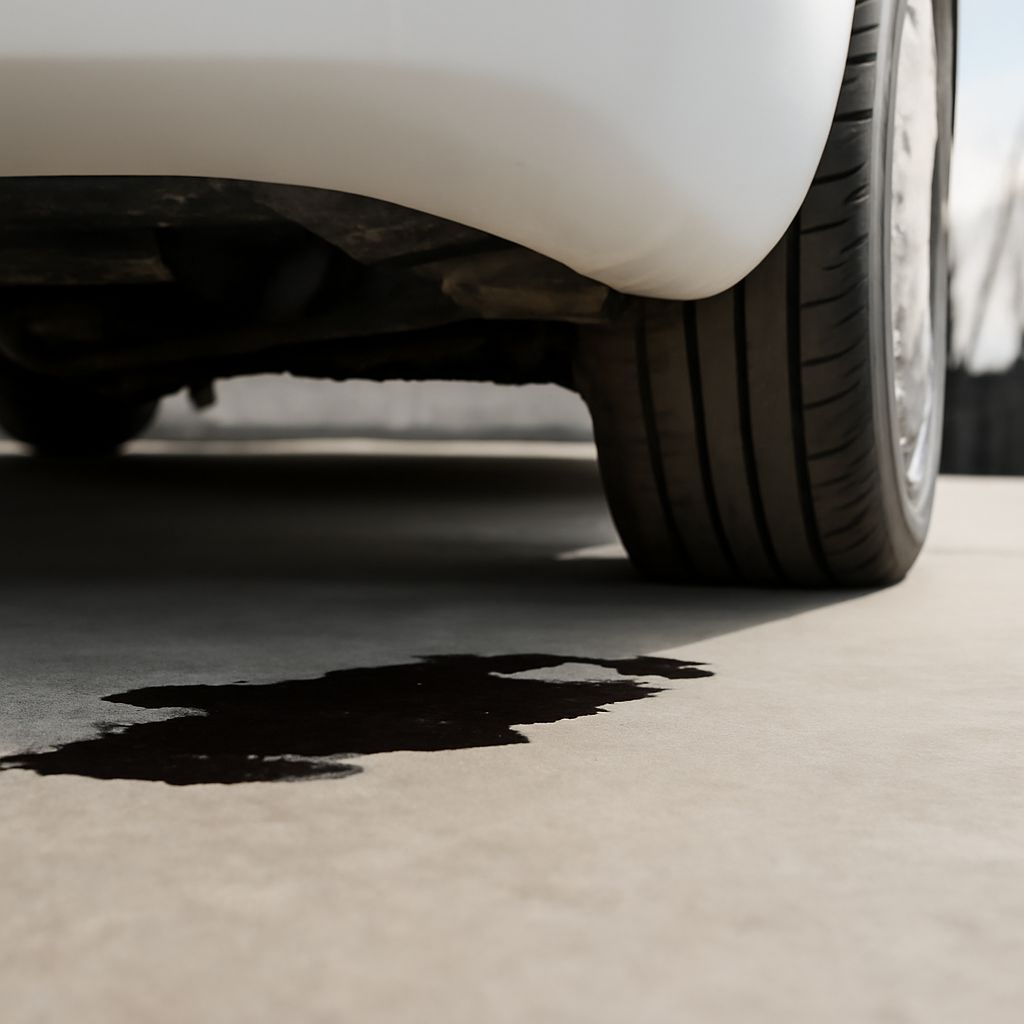
Finding a car leaking oil when parked is usually the first sign something is wrong. Dark brown or black stains on the driveway, a burning smell after driving, or a low oil warning light are all indicators. Because car leaking fluid can also come from coolant, transmission fluid, or brake lines, identifying the fluid type early helps direct the correct repair. A car leaking fluid front passenger side, for instance, points to a different system than a leak originating from the center or rear of the vehicle. Understanding what does it mean when your car is leaking oil guides the next steps.
Common Sources of Oil Leaks
Valve Cover Gaskets
The valve cover sits at the top of the engine and contains a rubber gasket that hardens and shrinks over time. When this gasket fails, oil seeps down the side of the engine and can drip onto hot exhaust components, producing a burning smell. A car leaking oil from the valve cover typically shows trails running down the engine block rather than pooling directly beneath the car.
Oil Pan Gasket
The oil pan gasket seals the bottom of the engine. Road debris can damage the pan directly, or the gasket simply degrades with age. This type of leak usually shows as puddles under the vehicle after it has sat overnight — a clear sign of a car leaking oil when parked.
Rear Main Seal
The rear main seal sits between the engine and transmission. When it fails, oil drips from the back of the engine, sometimes mistaken for a transmission fluid leak. This is one of the more labor-intensive repairs because accessing the seal requires removing the transmission.
What Leaking Fluid Locations Tell You
The position of the leak under the vehicle gives useful diagnostic information. A car leaking fluid front passenger side often points to a coolant hose, power steering line, or air conditioning condensate — though on some engine layouts, front-right oil leaks do occur from the timing cover or front crankshaft seal. A center leak typically involves the oil pan, while a rear leak points to the rear main seal or transmission.
Color matters too. Engine oil is dark brown to black. Coolant is green, pink, or orange. Transmission fluid is red. Power steering fluid is clear to light yellow. Confirming the fluid type before assuming it’s an oil leak saves diagnostic time and avoids misdiagnosis.
How to Assess Severity
A slow seep that drops the oil level by a quart over several thousand miles is far less urgent than a drip that produces visible pooling after each drive. Checking the dipstick every few days when a car is leaking oil gives a baseline for how fast the level is dropping. If the oil level falls more than a quart between weekly checks, the repair should be prioritized immediately to prevent engine damage.
Understanding What Does It Mean When Your Car Is Leaking Oil
Most oil leaks trace back to aged or degraded seals and gaskets rather than catastrophic engine failure. What does it mean when your car is leaking oil depends entirely on the source. A leaking valve cover gasket is a straightforward repair. A leaking rear main seal costs significantly more in labor. In both cases, driving with a known oil leak adds risk each mile, because most leaks worsen under heat and pressure cycling.
Key Takeaways
A car leaking oil always warrants investigation — the source, not just the symptom, determines urgency. Match the leak location and fluid color to identify whether it is engine oil or another system. Address oil leaks before they progress, because the cost of gaskets and seals is always lower than the cost of engine repair from running low on lubrication.