Is your vehicle warning you about low oil levels, or are you curious about when to change the oil in a car? Understanding the symptoms of no oil in a car is crucial for maintaining its performance and longevity. Many drivers are unaware of the problems associated with neglecting regular oil changes and the potential consequences of using the wrong oil in a car. These oversights can lead to costly repairs and diminished engine efficiency. This guide will provide insights into maintaining optimal oil levels, recognizing signs of low oil, and avoiding common pitfalls.
Why Changing Your Car’s Oil is Important
Regularly changing your car’s oil is essential for engine health. Engine oil lubricates moving parts, reduces friction, and prevents overheating. Over time, oil can degrade and become contaminated, leading to reduced efficiency and potential engine damage. Ensuring the oil is fresh and at the proper level can prevent these issues and extend the life of your vehicle.
Symptoms of No Oil in a Car
No oil in a car can lead to severe engine problems. Symptoms might include unusual knocking noises, an illuminated oil pressure warning light, or overheating. If these signs are present, it is critical to check the oil level immediately to prevent damage.
Recognizing Low Oil in Your Car
Spotting low oil in your car is vital for avoiding engine wear. Low oil levels might result in a burning smell, poor engine performance, or even engine stalling. Regularly checking the dipstick can help monitor the oil level, ensuring it remains within the recommended range.
How Often Should You Change Oil in a Car?
The frequency of oil changes can depend on several factors, including the type of oil used and driving conditions. Most experts recommend changing oil every 3,000 to 5,000 miles. However, always consult your vehicle’s owner manual for specific recommendations.
Steps to Change the Oil in a Car
Changing the oil in a car involves several key steps:
- Ensure the vehicle is on a level surface and the engine is cool.
- Place a pan under the oil pan and remove the drain plug.
- Allow the oil to fully drain, then replace the plug securely.
- Remove and replace the oil filter using an appropriate wrench.
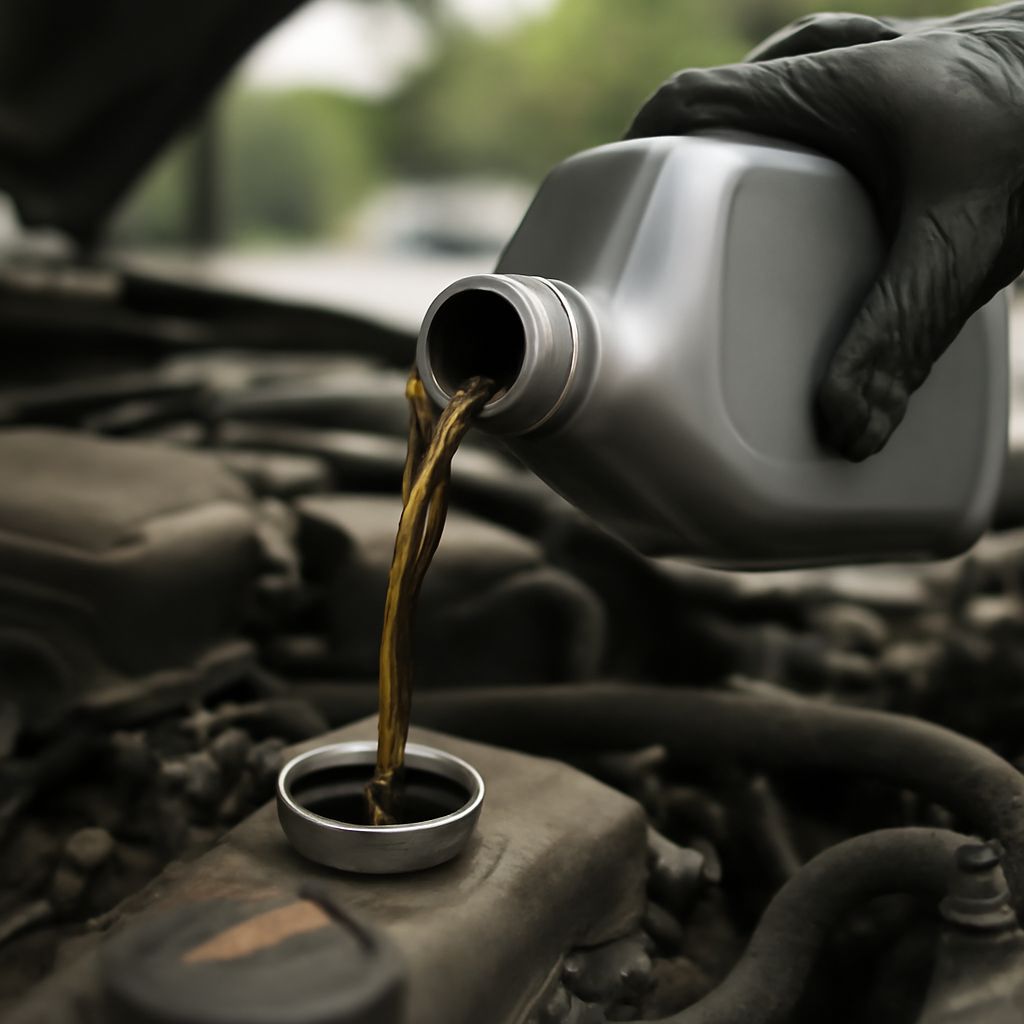
- Pour new oil into the engine using a funnel, ensuring not to overfill.
- Check the oil level with the dipstick and adjust if necessary.
What Happens if You Use the Wrong Oil in a Car?
Using the wrong oil in a car can lead to various issues, such as reduced lubrication and increased wear. An incorrect oil type might not withstand the engine’s heat or pressure, leading to breakdowns. It’s important to refer to the owner’s manual to select the correct oil type for your vehicle.
Tips to Maintain Optimal Oil Levels
Maintaining optimal oil levels involves regular checks and adhering to maintenance schedules. Use high-quality oil that meets your vehicle’s specifications. Keep an eye on the oil level and replenish as needed, particularly before long trips or after extensive driving. Following these best practices can help prevent problems associated with low oil or using the wrong oil.