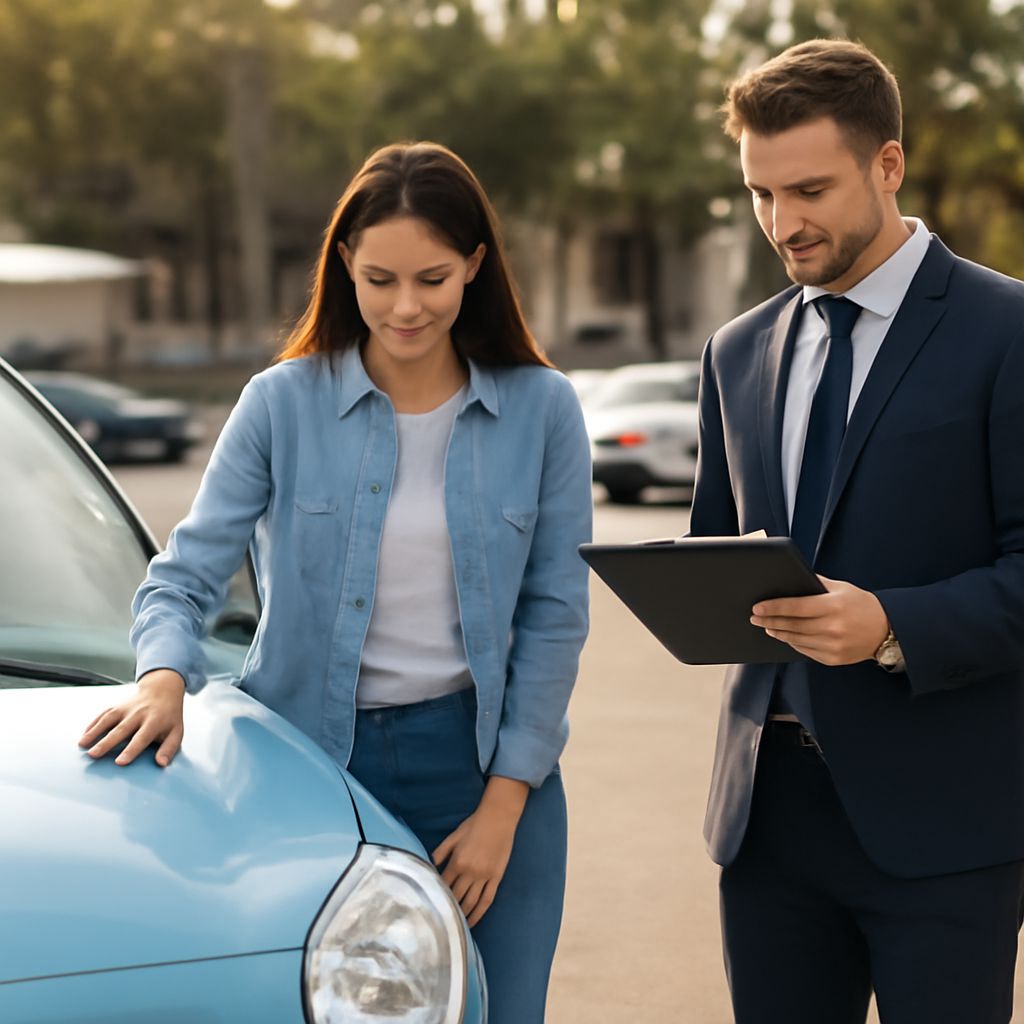
There are specific things to check when buying a used car that separate a smart purchase from an expensive mistake. A used vehicle can hide prior damage, deferred maintenance, or title problems that only become apparent after money changes hands. Knowing what to check for when buying a used car before agreeing to a price protects the buyer from inheriting someone else’s problems.
The process covers more ground than a quick walk-around. What to check when buying used car involves the exterior, the engine bay, the interior, the road feel, and the paper trail. Things to check for when buying a used car extend to fluid conditions, electronics, frame straightness, and service history. The goal of things to check before buying a used car is to confirm the asking price reflects the vehicle’s actual condition.
Exterior and Body Inspection
Paint and Panel Gaps
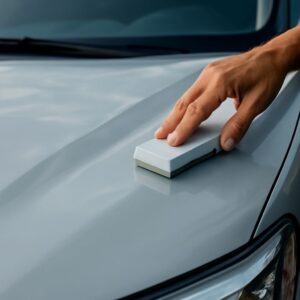
Stand at each corner of the vehicle and look along the body panels toward the light. Ripples, orange peel texture differences, or color variation between panels indicate prior bodywork. Mismatched panel gaps at doors, fenders, or the hood are signs of a collision repair or a replacement panel. Fresh paint over one section of the car is one of the clearest things to check when buying a used car.
Rust and Structural Damage
Inspect the wheel wells, rocker panels, and the undercarriage if a lift is available. Surface rust on brake rotors is normal, but bubbling or flaking metal on structural components is a dealbreaker. Check along the frame rails for straightness; bent or welded sections indicate serious collision history that affects safety and alignment.
Under the Hood: Mechanical Checks
Fluid Levels and Condition
Pull every dipstick and check every reservoir. Engine oil should be amber to dark brown, not milky or gritty. Coolant should be the correct color for its type without rust or floating particles. Transmission fluid should be red or pink, not brown or burned-smelling. Milky oil can signal a blown head gasket, which makes it one of the most important things to check for when buying a used car.
Engine and Belts
Start the engine cold and listen for tapping, rattling, or knocking during the first thirty seconds. Check the timing belt or chain service record if it applies to the model. Cracked or glazed serpentine belts are an easy, cheap fix, but they signal deferred maintenance. Look for oil seeping from valve cover gaskets or around the oil pan.
Interior Condition and Electronics
Test every window, lock, seat adjustment, and HVAC mode before leaving the lot. Check that the infotainment screen responds without lag or dead zones. Smell the interior for mold, which can indicate a water leak or flood damage. Staining on the carpet or headliner, warped door panels, or high-water marks in the trunk are part of what to check when buying used car to rule out flood history.
Test Drive and Road Performance
Drive on highway speeds as well as city streets. Verify that the transmission shifts smoothly without slipping or hunting for gears. Brake firmly from 40 mph and note whether the car pulls to one side. Listen for clunks over speed bumps, which point to worn suspension components. The steering should feel direct without excessive play or vibration through the wheel. Things to check before buying a used car on a test drive include behavior under hard acceleration, braking, and turning.
Vehicle History and Documentation
Run a vehicle history report using the VIN before finalizing any offer. Look for reported accidents, title brands such as salvage or flood, odometer discrepancies, and the number of previous owners. Ask for service records; consistent oil change documentation and dealer stamps add confidence. A pre-purchase inspection by an independent mechanic is one of the best things to check for when buying a used car, since it can identify issues the seller may not disclose.
Pro tips recap: Always test the vehicle cold, inspect underneath when possible, and run a VIN history report before negotiating. An independent mechanic inspection costs $100 to $150 and is worth every dollar on any vehicle over $5,000.