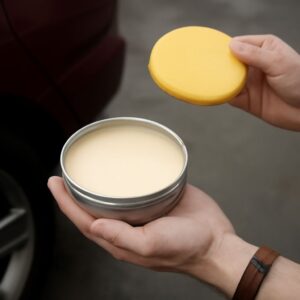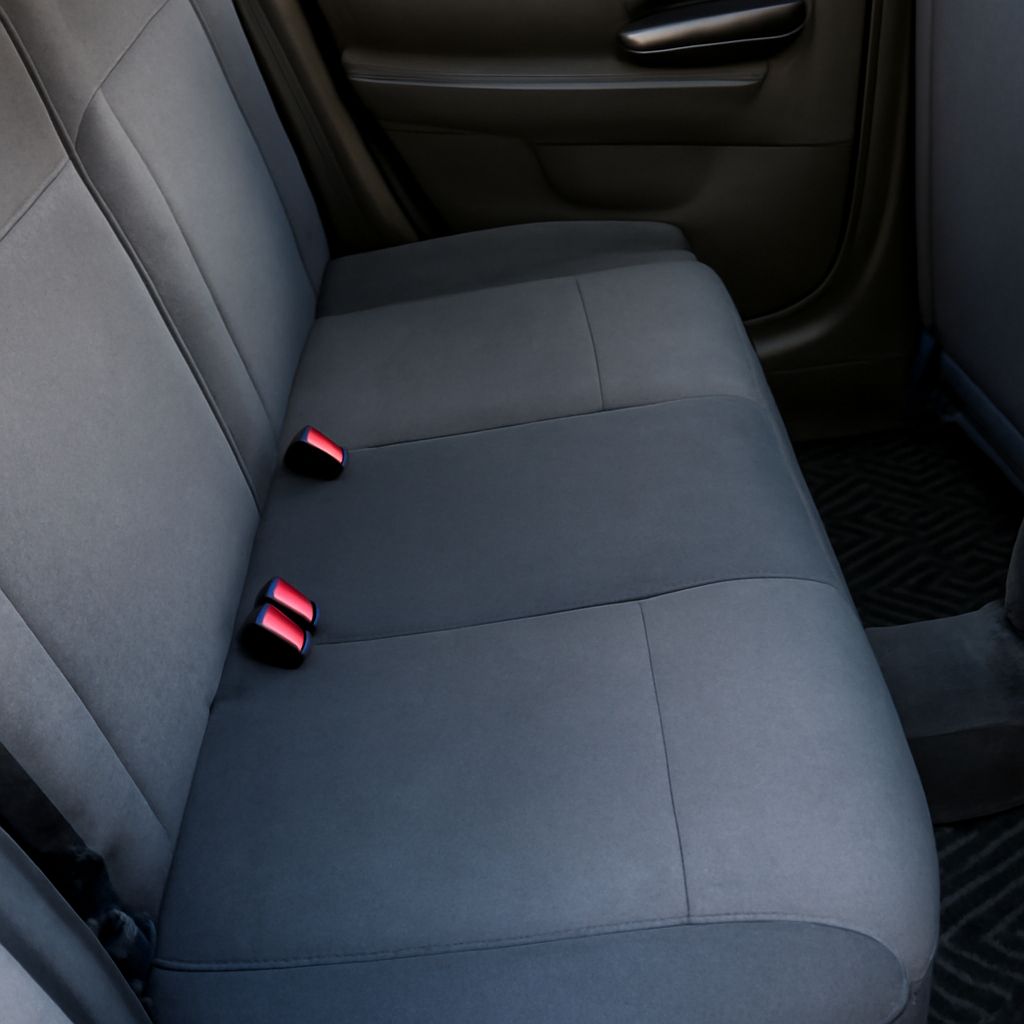
Have you ever wondered how to clean a car seat thoroughly after purchasing a used vehicle? One of the first steps new owners often consider is ensuring their car seats are free from the remnants of previous owners, including stains, odors, and hidden dirt. With the right approach, anyone can restore their seats to a fresh, clean state. Knowing how to clean car seat effectively not only improves the appearance but also enhances the overall driving experience.
After buying a used car, many people find themselves asking: what is the best way to clean a car seat to ensure long-lasting freshness? This article will guide you through essential cleaning methods and maintenance tips, ensuring that every car seat in your vehicle feels like new.
Why Cleaning Car Seats is Essential After Buying a Used Car
Cleaning car seats is crucial after acquiring a used car for several reasons. The primary concern is hygiene. Previous owners may have left behind bacteria, allergens, or allergens that could affect health. Additionally, a clean car seat contributes to a more pleasant driving environment, eliminating odors and unsightly stains.
Moreover, maintaining clean car seats can significantly increase the resale value of the vehicle. A well-kept interior suggests overall good maintenance, making it more attractive to potential buyers when it’s time to sell.
Materials You’ll Need to Clean Car Seat
To clean a car seat effectively, gather the following materials:
- Vacuum cleaner with upholstery attachment
- Microfiber cloths
- Soft-bristle brush
- Upholstery cleaner appropriate for your seat material
- Warm water and mild detergent for homemade solutions
- Soft towels for drying
Step-by-Step Guide: How to Clean a Car Seat
Begin by vacuuming the car seat thoroughly to remove loose dirt and debris. Make sure to get into the crevices and seams.
Next, apply the upholstery cleaner or a mixture of warm water and mild detergent to the seat surface. Use a soft-bristle brush to gently scrub the fabric, working in circular motions.
After scrubbing, wipe the seat with a microfiber cloth to remove excess moisture and cleaner. For leather seats, use a specific leather cleaner and conditioner to maintain the material’s integrity.
Finally, allow the seats to dry completely by leaving the car doors open or using a fan to speed up the process.
Maintaining Clean Car Seats Over Time
Regular maintenance is key to keeping car seats clean. Vacuum the seats weekly to prevent dust and dirt buildup. Use seat covers whenever possible to protect against spills and stains.
Additionally, avoid eating and drinking in the car to minimize the risk of spills, and address any accidents immediately to prevent permanent stains.
Common Mistakes When Cleaning Car Seats and How to Avoid Them
A common mistake is using too much water or cleaner, which can lead to mold or mildew. Always use products sparingly and dry thoroughly.
Another error is choosing a cleaning agent inappropriate for the seat material, which can cause damage. Always test a small, inconspicuous area before applying any product to the entire seat.
Frequently Asked Questions About Cleaning Car Seats
How often should you clean car seats? Regular vacuuming and spot cleaning should be done weekly, while a deep clean is recommended every few months.
Can homemade solutions be used safely on all seat types? Generally, mild detergent and water mixtures are safe, but always test a small area first, especially on sensitive materials like leather.
Next Steps: Regularly maintaining clean car seats enhances comfort and preserves the value of your vehicle. Incorporate these steps into your routine to enjoy a fresh driving experience after buying a used car.