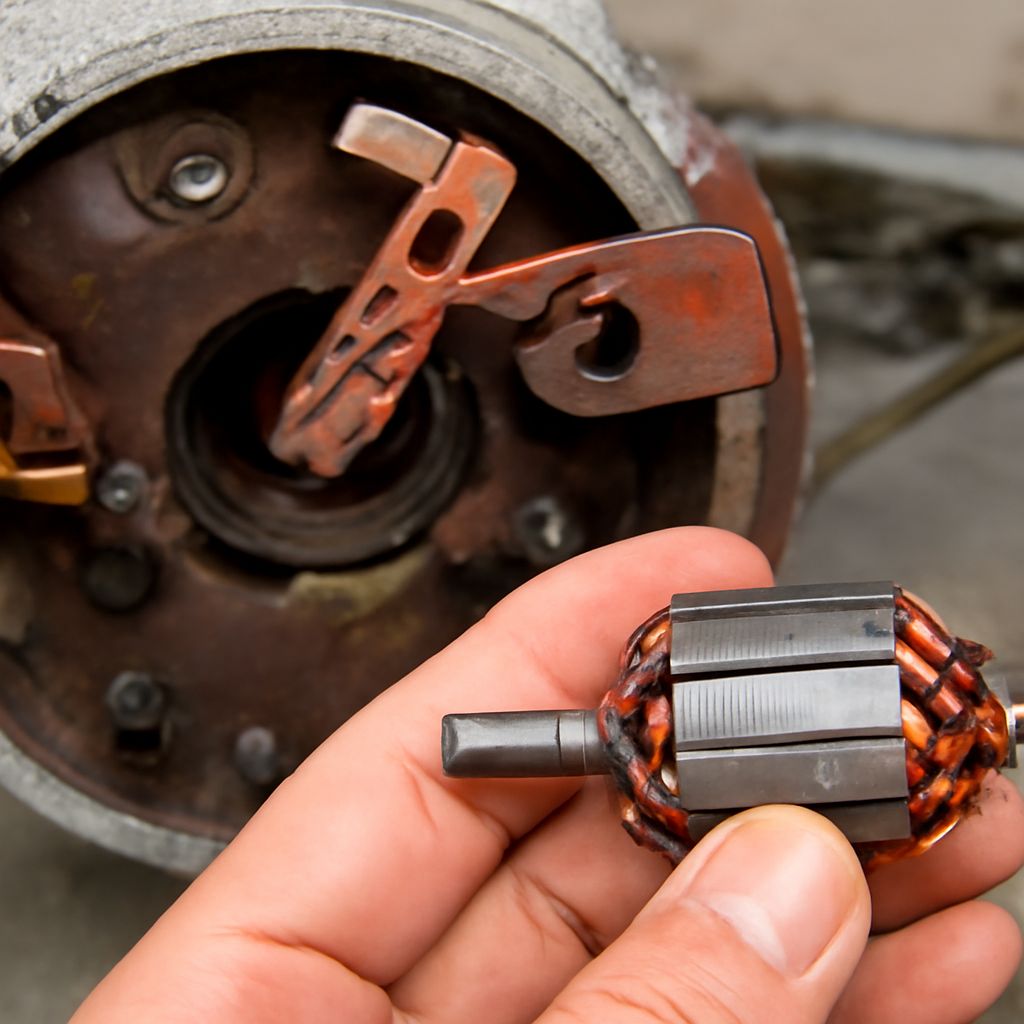
Wipers that streak but sweep normally may need new blades; wipers that stop moving need a diagnosis of the drive system. Repairing a windshield’s wiper motor is one possible outcome, but a fuse, linkage or wiring fault can produce similar symptoms. Knowing how a windshield wiper motor can be fixed begins with describing exactly what happens when you use the controls.
If rain or spray prevents you from seeing clearly, pull over safely and arrange service before continuing. A working washer or a clear forecast does not restore a failed wiping system when conditions change.
How to Fix Windshield Wiper Motor Problems Starts With Diagnosis
The motor supplies movement, while a linkage transfers it to the arms. Think of a bicycle pedal and chain: the rider can turn the pedal, but a disconnected chain will not turn the wheel. Electrical controls, wiring and protective devices govern the motor; the exact arrangement differs by vehicle.
A shop should determine where the motion or electrical command stops before recommending a part. Knowing how to fix a windshield wiper motor problem therefore means separating the motor from the other possible causes. The observations below can narrow the investigation, although none is a stand-alone verdict. The way to fix the motor driving the windshield wipers depends on what those tests reveal.
- No movement and no sound: A fuse, power supply, ground, switch, control module, wiring or motor could be involved. Note whether all speeds and intermittent mode fail.
- A hum or movement under the cowl, but stationary arms: A disconnected or damaged linkage, loose arm attachment or jammed mechanism is possible. A motor struggling against a mechanical obstruction is another possibility. Switch the wipers off rather than letting them strain.
- One arm moves and the other does not: A loose arm or a fault in the linkage to that arm deserves attention. The motor may still be driving the other arm.
- Slow, uneven or interrupted sweeps: Binding pivots, excess load, electrical resistance or a motor fault can all be candidates. Note whether the behavior changes with speed or after the system has run for a while.
- Wipers stop in the wrong position or only one setting fails: The park function, control circuit, switch or associated wiring may require testing. These symptoms do not identify a single defective part.
Streaking with normal movement points toward blades, glass contamination or arm contact rather than necessarily a failed drive. Bosch’s wiper checklist distinguishes blade and contact problems from faults in the motor or mechanism.
What You Can Check Before Booking
With the vehicle parked and the wipers switched off, look for snow, ice, leaves or other visible obstructions. Clear them without forcing the arms or reaching into moving parts. If blades are frozen to the glass, let them thaw before operating the system. Record whether the trouble began after a freeze, a heavy snowfall or another event that might have loaded the mechanism.
The owner’s manual identifies the relevant fuse and its location. If you are comfortable checking it, switch the vehicle off and follow the manual. A blown fuse needs the specified rating; never install a higher-rated fuse or bypass it. If a correctly rated replacement blows again, stop and have the circuit and mechanism diagnosed. A fuse can protect the circuit from an underlying fault, so repeatedly replacing it does not address the cause. Repairing the motor for the windshield wipers will not resolve a short elsewhere in the circuit.
Do not place fingers near the linkage while testing. Wipers can move unexpectedly, including when an automatic rain-sensing function is active. Avoid applying external power or probing connectors unless you have the vehicle-specific procedure and appropriate skills.
What the Shop May Test
Describe the symptom first, then authorize diagnosis rather than requesting a motor immediately. The technician may inspect the blades and arms, check for binding or disconnected linkage, and examine relevant fuses, connectors and wiring. Depending on the system, testing may include power and ground under the required operating conditions, switch commands or control-module fault information.
If the correct supply and command reach the motor but it cannot operate a free mechanism as specified, the motor becomes a stronger suspect. If the supply is missing, further work may lead toward wiring, a switch or a control unit. If the mechanism binds, repairing that restriction matters even if the motor also needs attention; a new motor should not be left pushing against the same load.
Ask the shop to explain the test result and the proposed remedy. A windshield wiper motor repair may involve a repairable connection or associated component, while some motors are serviced as complete assemblies. For a confirmed fault inside the windshield-wiper motor, rebuilding depends on parts availability and the vehicle design. If the recommendation is to replace the wiper motor, ask whether the linkage or mounting hardware also needs work and why.
Define the Estimate and Verify the Result
An estimate for repairing the motor that drives the windshield wipers should separate diagnostic time from the proposed work. Ask whether the initial fee is applied to the job, what additional testing requires authorization, and whether parts are new, remanufactured or customer-supplied. Ask for the parts-and-labor warranty and when the vehicle will be ready. Access varies: on some vehicles the assembly sits beneath trim at the base of the windshield, so labor can involve more than exchanging an easily visible component.
Once the cause is confirmed, approve the scope and any spending limit. If the shop discovers a second fault after disassembly, ask for the evidence and an updated estimate before authorizing extra work. Keep the invoice so the next technician can see what was tested and replaced.
At pickup, ask for a demonstration with the glass wet. Check the available speeds, intermittent operation, washer-triggered sweep and proper parked position. Confirm that both arms clear their normal paths without striking trim or each other. If an automatic mode is fitted, ask how it was checked. Report a remaining noise or hesitation while the vehicle is still at the shop.
Before your appointment, write down the vehicle’s year, make and model, which modes fail, any noises, and when the problem first appeared. Bring that short record and the fuse or previous repair history so the technician can reproduce the fault and choose the right tests.