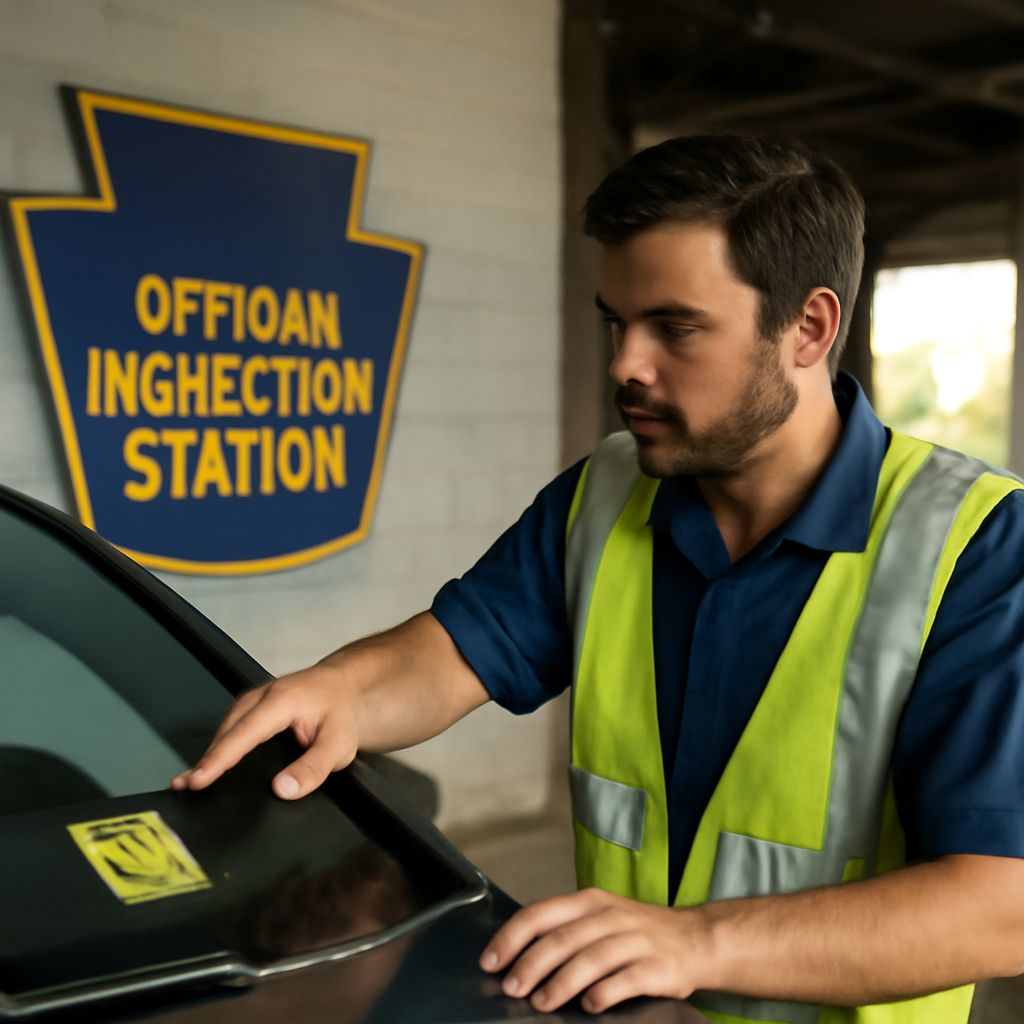
Have you ever wondered, “What do they check in a car inspection?” Car safety inspections are crucial for ensuring occupant safety and maintaining the integrity of the vehicle on the road. Understanding the key aspects of these inspections can help you prepare and ensure that your car is in top condition. This article delves into the components and practices involved in a typical car safety inspection, providing essential insights to enhance safety and reliability.
Introduction to Car Safety Inspections
Car safety inspections are routine checks mandated by regulations to verify that vehicles meet specific safety standards. These inspections are designed to identify potential hazards that could compromise occupant safety or contribute to accidents. By understanding what inspectors evaluate during these checks, vehicle owners can take proactive steps to address issues before they become serious problems.
What Do They Check in a Car Inspection?
During a car inspection, several critical components are reviewed to ensure they function correctly. Inspectors typically assess the brakes, examining for wear and responsiveness. Properly functioning brakes are vital for vehicle control and occupant safety.
Another key aspect is the inspection of tires. Tires are checked for adequate tread depth, proper inflation, and general condition to ensure they provide the necessary traction and stability. Additionally, the car’s lights, including headlights, brake lights, and turn signals, are evaluated to confirm they are operational and visible.
Why Car Safety Inspections Matter
Car safety inspections play an essential role in maintaining road safety. By identifying and addressing mechanical issues, these inspections help prevent accidents caused by equipment failure. For example, a vehicle with worn-out brakes can significantly increase stopping distances, jeopardizing occupant safety.
Moreover, regular inspections can extend a vehicle’s lifespan by encouraging timely maintenance and repairs. This proactive care not only enhances safety but also contributes to a car’s overall reliability and performance. As a result, drivers can have greater confidence in their vehicle’s ability to handle various road conditions.
Tips for Passing a Car Safety Inspection
To improve the likelihood of passing a car safety inspection, consider following these practical tips. First, regularly check and maintain your vehicle’s essential components, such as brakes and tires. Keeping these in good condition is crucial for occupant safety and inspection success.
Next, ensure all lights are functioning correctly and replace any faulty bulbs promptly. Properly working lights are vital for visibility and communication with other drivers, especially in adverse conditions. Additionally, maintaining a clean and organized vehicle can facilitate the inspection process and allow inspectors to focus on key safety aspects.
Finally, staying informed about your vehicle’s specific inspection requirements can better prepare you for what inspectors will evaluate. Familiarize yourself with any updates to regulations that may affect what they check in a car inspection, and address any potential issues beforehand.
Next Steps: Regular maintenance is key to ensuring your vehicle remains safe and reliable. Schedule routine check-ups with a professional mechanic to address any concerns and stay ahead of potential issues. By prioritizing regular car safety inspections, you contribute to your safety, as well as the safety of others on the road.