Is your car slow to start, leaving you frustrated every morning? Understanding the causes behind why a car is slow to turn over can save you time and money. This article delves into common reasons for a car slow to start and explores effective solutions to get your vehicle back on track.
Common Reasons Your Car is Slow to Start
Several factors can make a car slow to start. One of the primary culprits is a failing battery. Over time, batteries lose their ability to hold a charge, making your car slow to turn over. Corroded battery terminals can also impede proper electrical flow.
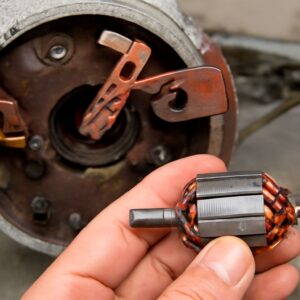
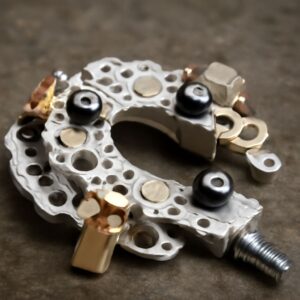
The starter motor is another crucial component. A faulty starter solenoid or worn-out components can lead to slow cranking. Additionally, a malfunctioning ignition system may prevent the spark plugs from igniting fuel properly, contributing to slow starts.
Diagnosing the Problem
Inspecting the Battery
Begin by inspecting the battery for visible signs of wear. Check for corrosion around the terminals and ensure connections are tight. Use a multimeter to test the voltage; a healthy battery should read around 12.6 volts.
Checking the Starter Motor
If the battery seems fine, the next step is to examine the starter motor. Listen for unusual sounds when starting the car. Clicking or grinding noises can indicate a faulty starter motor. It’s advisable to consult a professional for a comprehensive check.
Evaluating the Ignition System
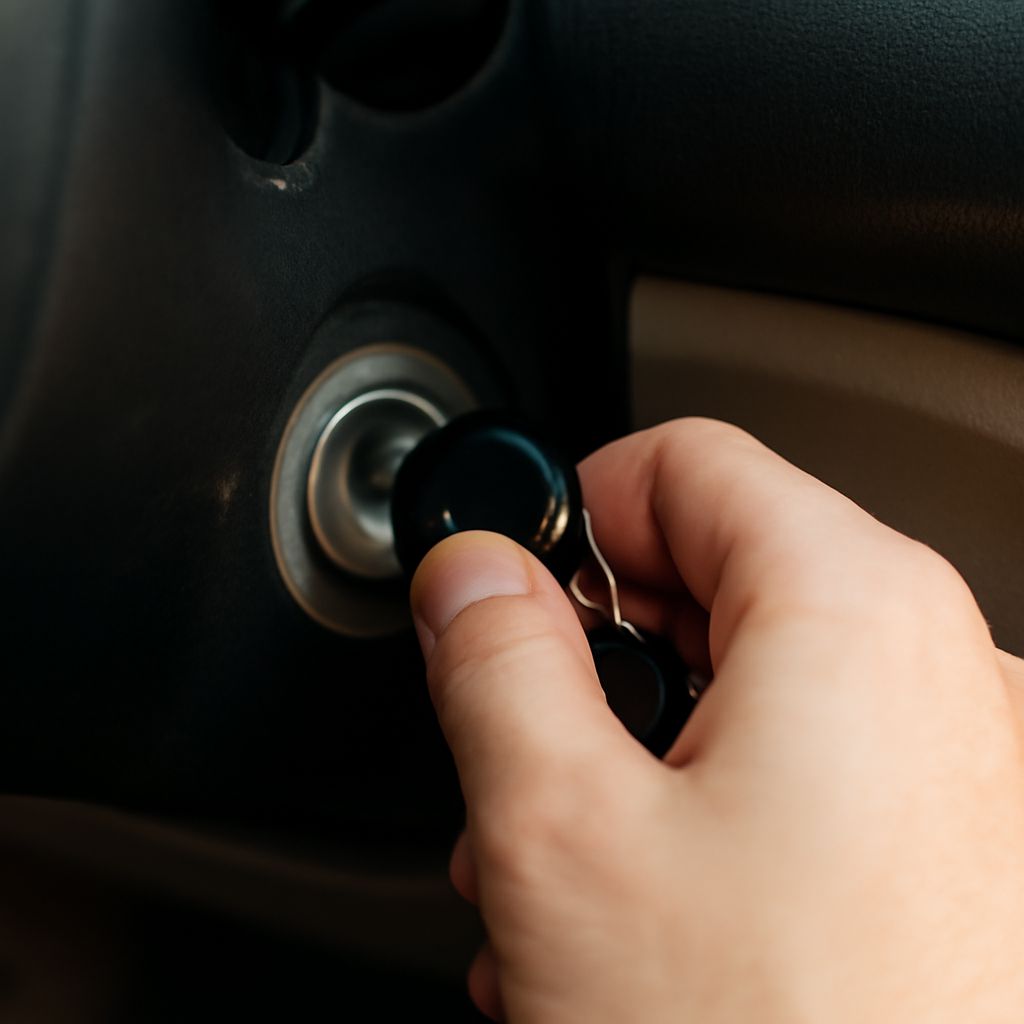
The ignition system plays a vital role in starting the vehicle. Inspect spark plugs and ignition wires for wear or damage. A weak spark can make your car slow to turn over, so ensure all components are functioning optimally.
How to Fix a Car Slow to Turn Over
Once the problem is diagnosed, fixing your car slow to start can be straightforward. Replacing an old battery or cleaning corroded terminals can resolve battery-related issues. If the starter motor is malfunctioning, replacing it might be necessary.
For ignition system problems, replacing worn spark plugs or faulty ignition coils can make a significant difference. Regular maintenance and timely replacements can prevent these issues from recurring.
Preventive Maintenance Tips
Preventive measures can keep your car in top condition. Regularly inspecting and cleaning battery terminals can prevent corrosion. Ensure the battery is charged, especially in cold weather, to avoid a slow start.
Routine checks of the starter motor and ignition system can detect potential problems early. Replacing spark plugs at recommended intervals keeps the ignition system efficient. Following these simple practices ensures your car remains reliable.
Pro tips recap: Understanding why your car is slow to start involves examining the battery, starter motor, and ignition system. Regular maintenance, such as checking battery health and replacing worn components, can prevent issues. Keep these tips in mind to ensure a smooth and reliable start every time.