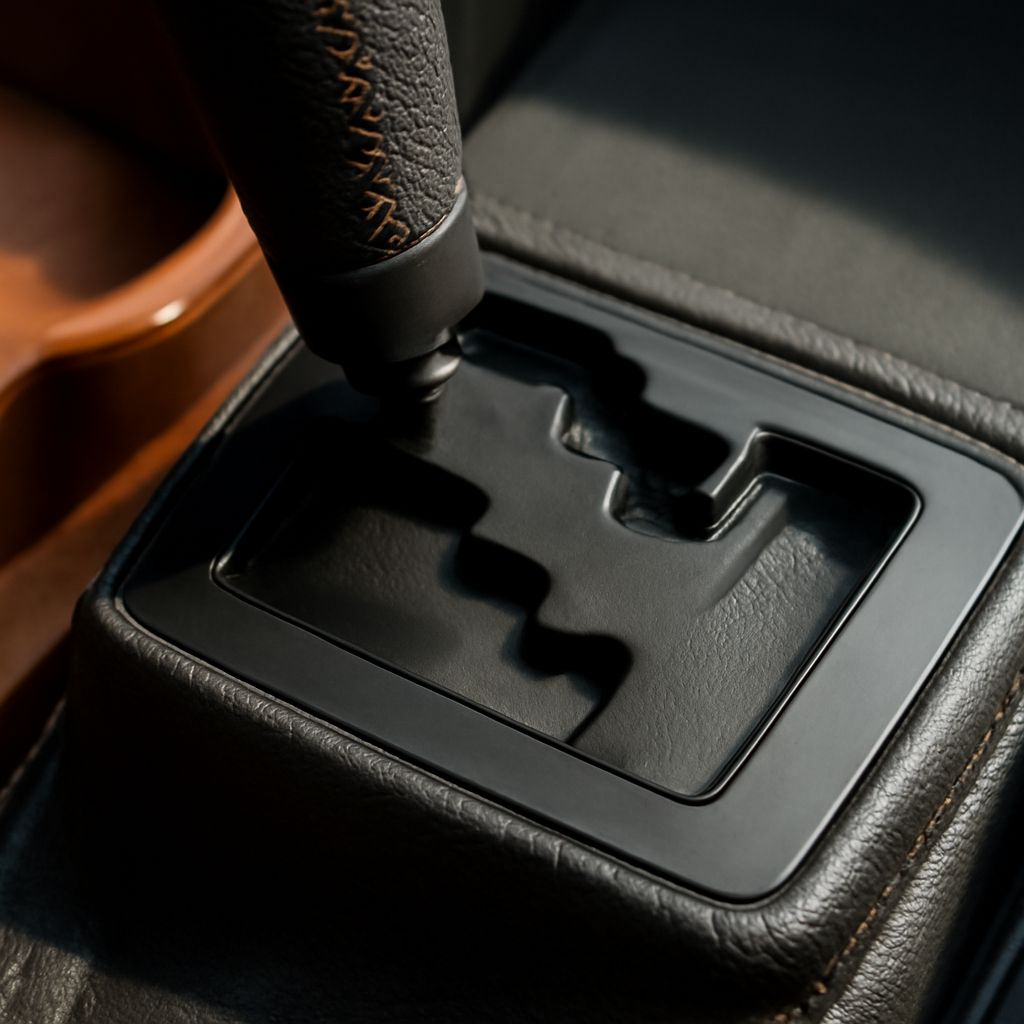
What exactly makes car gears so crucial in the functioning of a vehicle? For many, understanding car gears can be as complex as the machinery itself. Yet, when car gears explained methodically, it becomes evident how they are integral to a vehicle’s performance. This article demystifies car gears, offering insights into their operation, types, common issues, and maintenance tips.
Introduction to Car Gears
Car gears are fundamental components within a vehicle’s transmission system. They regulate the power generated by the engine, translating it into motion. By altering the gears, a car can efficiently manage speed and torque, making it essential for both performance and fuel efficiency.
How Car Gears Work
The process of how car gears work revolves around converting engine power into movement. When a driver shifts gears, the transmission changes the gear ratio. This adjustment modifies how much power is sent to the wheels, allowing for acceleration or deceleration as needed. Understanding this process is key to appreciating the role of gears in vehicle dynamics.
In manual transmissions, drivers manually engage gears, while automatic systems do this electronically. Both systems aim to achieve optimal gear ratios, ensuring that the engine runs smoothly and efficiently under varying driving conditions.
Different Types of Car Gears
Car gears come in various types, each suited for specific functions within the transmission system. The most common are spur gears, helical gears, and bevel gears. Each type has distinct characteristics that impact the vehicle’s performance. For instance, helical gears are known for their quiet operation, making them ideal for passenger vehicles.
Understanding the different types of car gears helps in identifying the specific needs of a vehicle. Whether it’s achieving better fuel efficiency or enhancing speed capabilities, the choice of gear type is crucial.
Common Issues with Car Gears
Despite their robustness, car gears can encounter issues over time. Common problems include gear slipping, strange noises, and difficulties in shifting. These issues often stem from wear and tear, lack of lubrication, or misalignment within the transmission system.
Addressing these problems promptly is essential to prevent further damage. Routine checks and being attentive to unusual vehicle behavior are effective ways to detect car gear issues early.
Tips for Maintaining Car Gears
Maintaining car gears involves several best practices that align with professional standards. Regularly checking transmission fluid levels is critical, as this fluid lubricates the gears and prevents overheating. Additionally, timely servicing by qualified technicians ensures that any wear and tear is addressed before it leads to significant damage.
Another key aspect of maintaining car gears is to be mindful of driving habits. Gentle acceleration and avoiding abrupt gear changes can prolong the lifespan of your vehicle’s transmission system.
Incorporating these maintenance practices not only enhances the longevity of car gears but also ensures that the vehicle operates smoothly and efficiently. By understanding the basics of car gears and implementing these maintenance tips, drivers can enjoy a reliable and enjoyable driving experience.