Why does a car start then die immediately, causing frustration and worry for drivers? Experiencing a situation where your car dies after starting can be perplexing and inconvenient, especially if you are unsure of the underlying problem. Understanding the common causes and potential solutions can help in quickly addressing these electrical and start-up issues.
This article delves into the reasons behind a car starting and then dying immediately. It also provides practical advice on diagnosing and fixing these issues, as well as preventive measures to avoid future occurrences, ensuring that your vehicle remains reliable.
Understanding Why Your Car Starts Then Dies
Vehicles rely on a complex system of electrical components and mechanical parts to operate smoothly. When a car starts then dies immediately, it often points to a disruption in this intricate system. Identifying the root cause is essential to effectively resolving the issue.
Common causes include fuel delivery problems, ignition system malfunctions, or issues within the car’s electrical system. By recognizing these potential culprits, drivers can take the necessary steps to get their vehicles running again.
Common Reasons Your Car Dies After Starting
Several factors could lead to a car dying after starting. One major factor is a fuel supply issue. If the fuel pump or injectors are faulty, the engine may not receive the necessary amount of fuel to keep running.
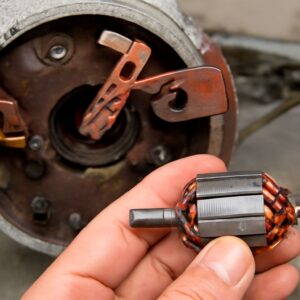
Another common cause is a malfunction in the ignition system. Problems with spark plugs or ignition coils can prevent the engine from sustaining power. Additionally, electrical issues like a failing alternator or battery can also cause the car to die shortly after starting.
How to Diagnose and Fix the Problem
Diagnosing the problem requires a systematic approach. Start by checking the fuel system. Ensure that there is enough fuel in the tank and inspect the fuel pump and filters for any blockages or malfunctions.
If the fuel system checks out, move on to the ignition components. Examine the spark plugs and ignition coils for wear and tear. Replacing faulty parts can often solve the issue of a car that starts then dies immediately.
Finally, test the electrical system. A simple battery test can reveal if low voltage is behind the problem. Similarly, inspect the alternator to ensure it is charging the battery properly. Addressing any issues in these areas can help prevent your car from dying after starting.
Preventive Measures for Future Issues
To avoid encountering these issues in the future, regular maintenance is key. Keep the fuel system clean and replace filters as recommended by the vehicle manufacturer. Regularly inspect and replace worn-out ignition components.
Additionally, ensure the car’s electrical system is in good condition. Check the battery and alternator during routine maintenance to catch potential problems early on. Taking these preventive steps can save time and money in the long run, keeping your car reliable and safe.
Pro tips recap: Regularly maintain your vehicle’s fuel, ignition, and electrical systems to prevent a car that starts then dies immediately. Diagnose systematically, starting with fuel supply, then ignition, followed by electrical components, to efficiently resolve issues.