A hydrogen vehicle may fit your commute on paper, yet the nearest usable pump could make daily ownership inconvenient. Before considering cars powered by hydrogen, check the stations on your actual routes, their access and operating status, then compare the vehicle and fuel costs with your alternatives.
A hydrogen-powered car uses an electric motor, but the factory fuel-cell models discussed here get their driving energy from hydrogen filled at a station. That difference shapes where and how you can use one.
Hydrogen powered car: how the fuel cell makes electricity
The vehicle stores compressed hydrogen in onboard tanks. In the fuel-cell stack, hydrogen and oxygen from the air take part in an electrochemical reaction. The reaction separates electrons so they travel through a circuit, producing electricity; the hydrogen and oxygen ultimately form water. The electricity powers a motor that turns the wheels.
Think of the stack as a small power plant that works while fuel and air are supplied. It does not burn hydrogen in a conventional engine. The U.S. Department of Energy explains that the traction battery also captures energy during braking and can supply additional power during acceleration. In most current designs, that battery is supported by the fuel cell and regenerative braking rather than being the main energy store charged from a plug.
A hydrogen powered car therefore drives electrically, but its energy supply is organized differently from a battery-electric car. You refill the hydrogen tank at a compatible dispenser instead of relying on home charging. Some designs combine a fuel cell with plug-in capability, so confirm the equipment on the particular model.
What comes out, and where the hydrogen comes from
A hydrogen fuel cell car emits water and warm air in operation rather than the exhaust pollutants associated with burning gasoline. That is the tailpipe picture. Producing and delivering hydrogen also uses energy, and the associated emissions depend on how the fuel is made and transported. Hydrogen can be produced from different feedstocks and by different processes, including splitting water with electricity; the electricity source matters to the overall emissions picture.
For an owner, this means asking about the fuel supply as well as comparing vehicle emissions. The car does not create its own fuel from water. The hydrogen in its tanks has already been produced elsewhere and delivered to a station.
Refueling and station access
At a station, you connect a compatible dispenser to the vehicle’s receptacle and follow the dispenser and vehicle instructions. The process resembles a fuel stop more than a typical home charging session, but the equipment, pressure and instructions are specific to hydrogen. DOE describes hydrogen being pumped into the tank, and its vehicle overview says light-duty fills can take only minutes under suitable conditions. Travel to the station, a queue or an outage can add to the time.
Check that the station serves retail passenger vehicles and offers the pressure required by the model. A site on a map may be private, temporarily unavailable or unable to dispense the fuel you need. Hyundai’s NEXO refueling guidance advises checking station status and shows why dispenser pressure matters. Use the instructions for your vehicle and verify availability before setting out.
As of November 8, 2026, the DOE Alternative Fuels Data Center describes U.S. light-duty fuel-cell availability in select markets including northern and southern California. Its station page reports 54 retail stations nationwide for 2024, mostly in California; that historical count is not a current count of operating pumps. The station locator lets you search and map a route, but confirm current status with the station or its status service before relying on it.
Which vehicles can you actually get?
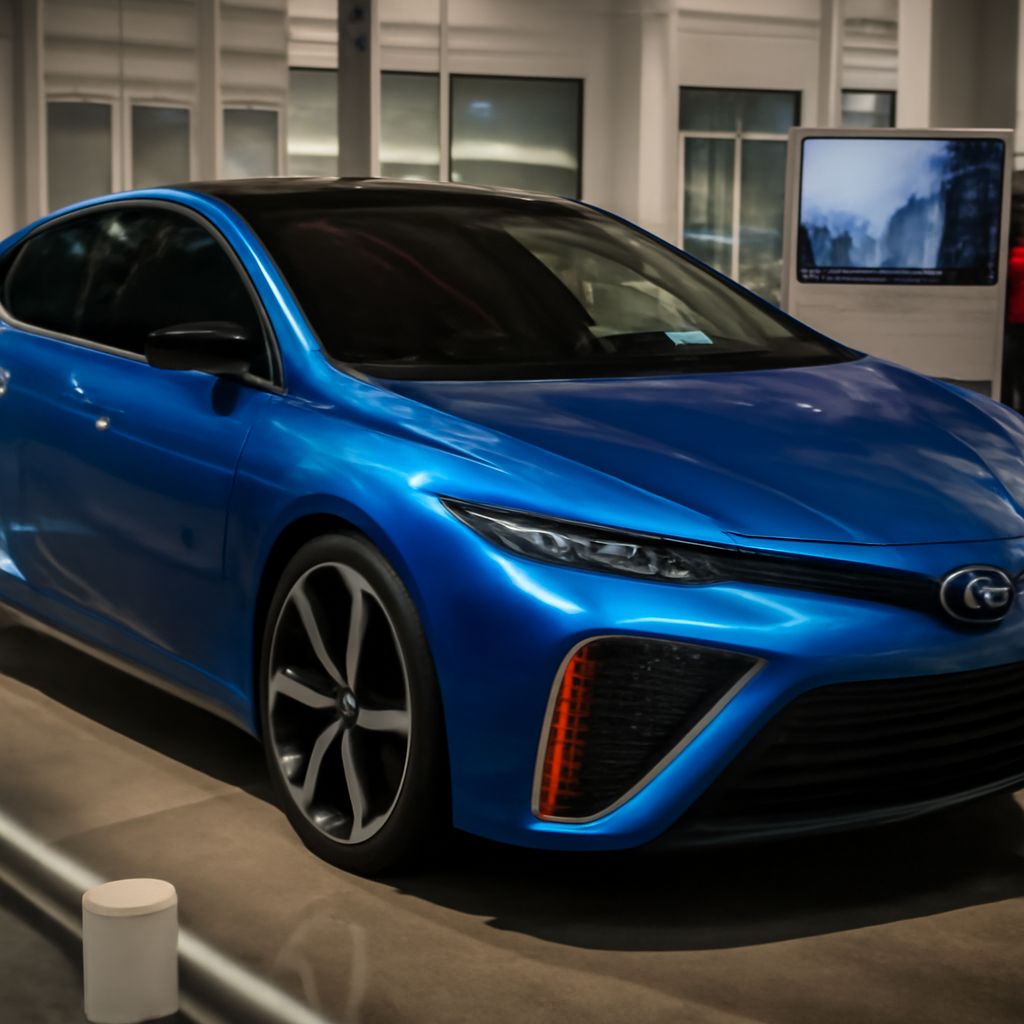
The U.S. market for hydrogen powered cars is geographically limited. Toyota lists a 2026 Mirai with a fuel-cell system and directs buyers to a dealer for local equipment and availability. Hyundai’s NEXO owner information describes California-only sales and leasing. These are manufacturer listings reviewed on November 8, 2026, not a promise that a particular trim is in stock or available where you live.
Ask an authorized dealer about current inventory, purchase or lease terms, service locations and any included fuel benefit. Read the terms: a credit can have an expiration date, usage conditions or limits on transfer to a later owner. If considering a used hydrogen cell car, check the remaining warranty and whether any advertised fuel benefit actually follows the vehicle.
Work out the ownership cost
Hydrogen is generally sold by weight, so compare the price per kilogram with the model’s rated efficiency and your expected miles. For a planning example, if fuel costs $25 per kilogram and the car travels 60 miles per kilogram, fuel alone costs about 42 cents per mile. Those are illustrative figures, not a current price or a promise of real-world efficiency. Ask local stations for their current prices and use the EPA rating for the exact vehicle as a starting point.
Consider insurance, financing or lease payments, maintenance, tires and travel to a qualified service center. A fuel credit can reduce your initial outlay but does not eliminate the need to estimate costs after it expires. Range varies with speed, temperature, terrain and driving style. Build a reserve into routes instead of planning to arrive at a single pump with an almost empty tank.
A hydrogen fuel car can suit a driver with dependable access to compatible stations. If your work, home and regular destinations depend on one pump, think through your alternative when that station is closed. A second reachable station or access to another vehicle can matter more than a favorable brochure range.
Factory fuel cells versus HHO add-ons
Factory fuel-cell vehicles are engineered around stored hydrogen, a fuel-cell stack and electric drive. Earlier aftermarket HHO devices were marketed for gasoline vehicles, commonly with claims that electricity could split water and add the resulting gas to the intake. These are different systems with different energy sources and purposes.
Making hydrogen from water requires energy; the vehicle cannot gain free fuel by cycling its own electrical output through an add-on. In a 2011 enforcement action, the FTC stopped marketers of one such device from making unsupported fuel-economy claims. Do not use those claims as evidence for a factory fuel-cell vehicle or vice versa.
Before buying or leasing, map your regular trips and check the current status, access, compatible dispenser and price of at least one reachable hydrogen station along each route, plus a practical backup.