Have you ever found yourself staring at smudged car windows, wondering if there’s a simpler, more cost-effective solution than the store-bought options? Many drivers are turning to DIY car window cleaner for an affordable alternative that promises streak-free results. But is it truly the best homemade car window cleaner one can make, or just another DIY trend?
Understanding the benefits of creating your own cleaner can lead to not only clarity in your windows but also peace of mind regarding what you’re using in your vehicle. Let’s delve into why making your own car window cleaner could be the perfect solution for your cleaning needs.
Why Choose a DIY Car Window Cleaner?
Creating a DIY car window cleaner offers numerous advantages. First and foremost, it allows for full control over the ingredients used, ensuring that no harsh chemicals come into contact with your vehicle. Additionally, crafting the best homemade car window cleaner can be far more cost-effective than purchasing commercial products, which often contain unnecessary additives.
Aside from cost savings, DIY solutions are customizable. Whether you need a cleaner for specific grime or sensitivity preferences, there’s a recipe that fits. This personalization ensures that your windows receive optimal care without negative side effects.
Essential Ingredients for the Best Homemade Car Window Cleaner
To make the best homemade car window cleaner, you’ll need a few basic, accessible ingredients. Vinegar is a key component, known for its effective cleaning properties. Mix this with distilled water to prevent mineral deposits from tap water. Adding a few drops of dish soap can help cut through grease and grime.
Another beneficial addition is rubbing alcohol, which speeds up the drying process and prevents streaks. Finally, essential oils can be included for a pleasant aroma, though they’re entirely optional. These simple components combine to create a potent, eco-friendly cleaner.
Step-by-Step Guide to Making Your Cleaner
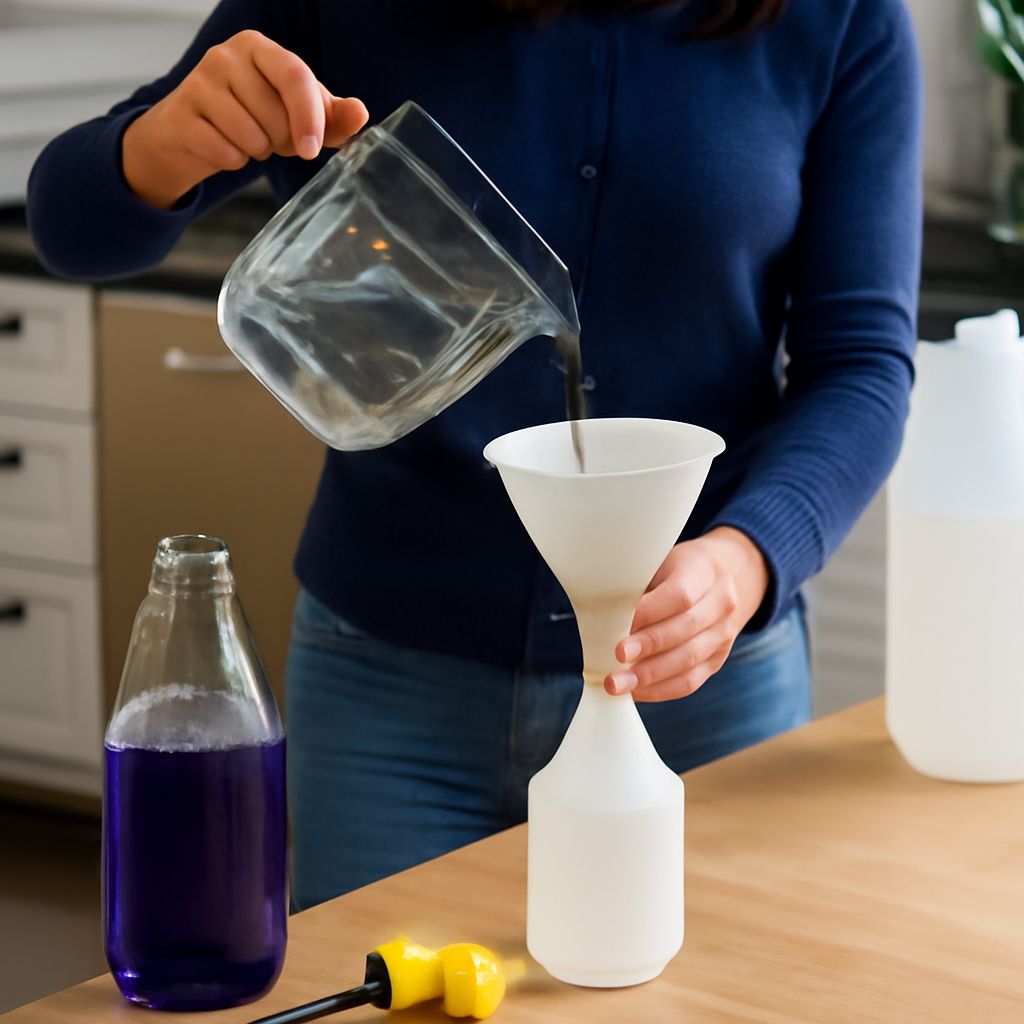
Begin by gathering your ingredients: one cup of water, one cup of vinegar, one tablespoon of rubbing alcohol, and a few drops of dish soap. Combine these ingredients in a spray bottle, shaking gently to mix.
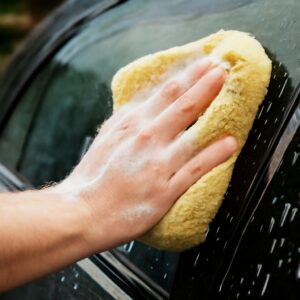
Test the solution on a small area of your car window to ensure it doesn’t damage any materials. Once satisfied, spray a liberal amount onto the surface and wipe with a microfiber cloth, which is ideal for preventing streaks and is more effective than paper towels.
Tips for Using Your DIY Car Window Cleaner
For the best results, clean your car windows in the shade. Direct sunlight can cause the solution to dry too quickly, leading to streaks. Work in small sections, and use horizontal or vertical strokes to ensure thorough cleaning.
Regular maintenance using the DIY car window cleaner can keep your windows clear and enhance visibility, especially in adverse weather conditions. This simple routine can make a considerable difference in your driving experience.
Common Mistakes to Avoid
Avoid using too much cleaner at once; a light mist is sufficient. Over-saturating the window can lead to dripping and streaks. Additionally, never use abrasive materials that could scratch the glass—stick to soft, lint-free cloths.
Another common mistake is neglecting the wiper blades. Ensure they are clean and in good condition to prevent them from smudging your freshly cleaned windows.
Next Steps
By following these guidelines and maintaining a regular cleaning schedule, your car windows can remain crystal clear. Continue experimenting with different ingredient ratios to find what works best for you. With your homemade car window cleaner, enjoy the satisfaction of a pristine view on every drive.