Coolant is disappearing, the temperature gauge is climbing, and you need to know whether the engine is in serious trouble. A blown gasket at the cylinder head is one possibility. The way forward is to match the symptoms with pressure, gas and cylinder tests, then identify the leak before authorizing a repair.
The same warning signs can come from several faults, and an apparently mild symptom does not establish that another drive is safe. Record what happened and arrange an inspection before the problem has a chance to grow.
What the seal has to contain
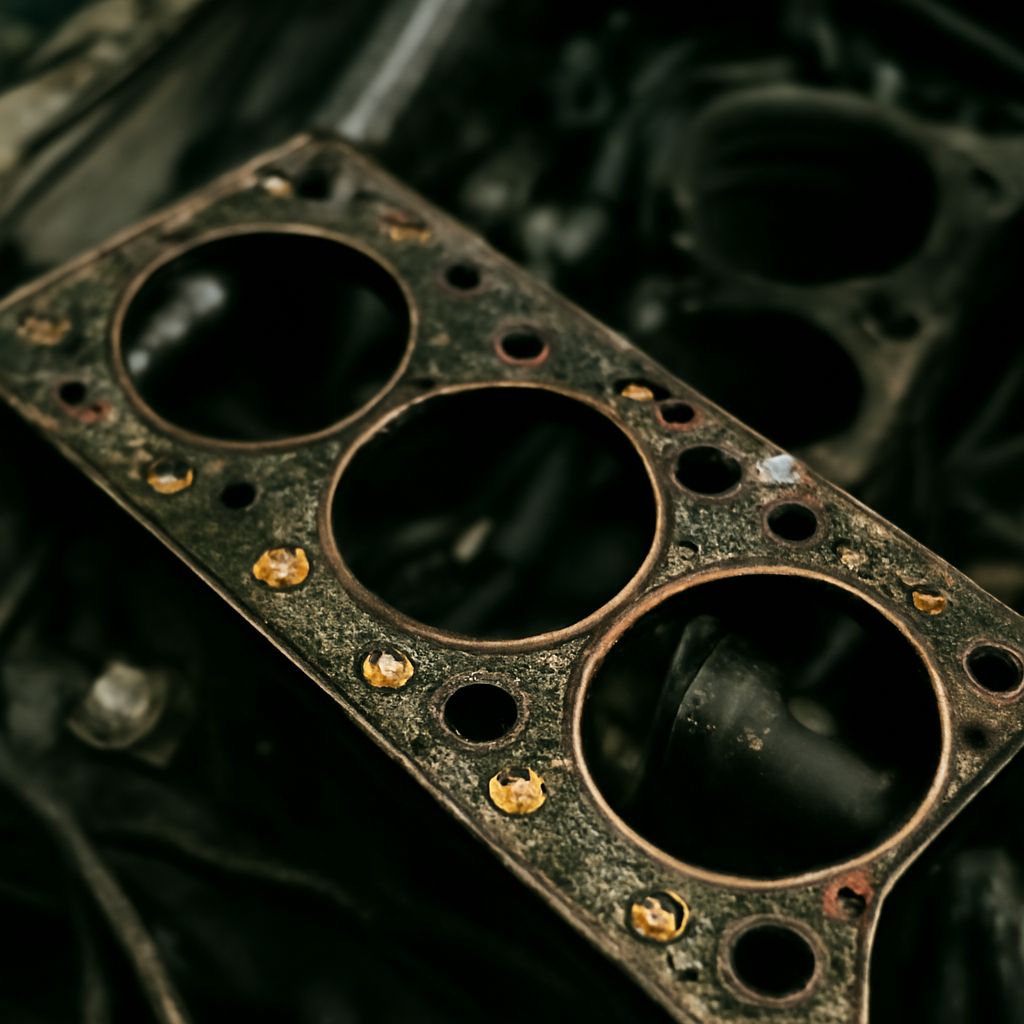
The cylinder head sits on top of the engine block. Between them is a gasket with a demanding job: it seals the combustion chambers while keeping the engine’s oil and coolant passages contained. Think of it as a partition between several rooms, each with a different fluid or pressure. A breach can connect two rooms that should stay separate.
Where the cylinder-head seal fails determines what you see. Combustion gas may enter the cooling system, coolant may enter a cylinder, or oil and coolant may mix. A leak can also reach the outside of the engine, or occur between cylinders. One failure need not produce every familiar symptom; another might produce several at once.
Heat matters because it can damage the sealing surfaces and the gasket. Overheating can contribute to failure, while a leak into the cooling system can itself lead to overheating. That loop is one reason a technician needs to look for the original cause as well as the current damage.
Head gasket blown: symptoms worth reporting
If you are wondering how to know if you have a blown head gasket, look for a pattern rather than a single clue. Tell the shop which symptom came first, whether it happens at startup or after a long drive, and how quickly the coolant level changes. Photos of a warning light or fluid under the parked car can help preserve information that disappears before the appointment.
Persistent white exhaust: Coolant entering a cylinder can produce white vapor, sometimes with rough running at startup. A small cloud on a cold morning can also be ordinary condensation. Note whether the vapor continues after the engine warms up and whether coolant is being lost. Blue smoke points toward oil burning, which can have several causes, including worn engine components.
Changing fluid levels or appearance: Coolant may drop because of a hose, radiator, water pump or other external leak as well as an internal one. Oil contaminated with coolant can look milky, and oil can leave a film in coolant. Haynes notes that residue under the oil filler cap can also result from condensation, especially with frequent short trips. A mark under the cap alone is not proof of a major internal leak.
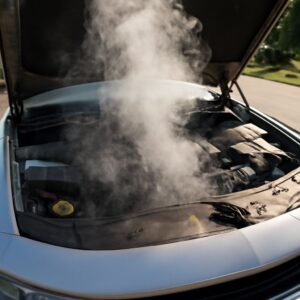
Pressure and bubbles: Combustion gas entering the cooling system can create bubbles or force coolant out. A cooling system is designed to operate under pressure, however, and visible movement in a reservoir needs interpretation in context. Never open a hot radiator or pressure cap to investigate: hot coolant and steam can escape and cause burns.
Rough running or overheating: A loss of cylinder sealing or coolant entering a cylinder can cause a misfire. Ignition, fuel and other mechanical problems can do the same. A thermostat, fan, pump, low coolant level or restricted radiator can also contribute to overheating. Report the sequence: an engine that overheated before the rough running may give the technician a different starting point from one that misfired first.
With a head gasket blown, the leak path may change as the engine warms or pressure rises. A symptom that disappears after a restart still deserves attention, particularly if coolant is missing. You cannot judge the condition of the sealing surfaces from the dashboard alone.
Tests that help locate the leak
A technician begins by inspecting fluid levels and looking for external leaks. A cooling-system pressure test can reveal escaping coolant or a system that does not hold pressure. It helps narrow the search; pressure loss must still be traced to its source. An external leak can be hidden until pressure is applied, while some internal leaks require a different test.
A combustion-gas test samples gas from the cooling system using a chemical tester or analyzer. A positive result supports a path from combustion into the coolant, but the source can include a crack as well as a gasket failure. A negative result does not rule out every leak path or an intermittent fault. The technician interprets it alongside the symptoms and other results.
A compression test compares the pressure developed by the cylinders during cranking. Low or uneven readings indicate a sealing problem but do not, on their own, identify which component is responsible. A leak-down test introduces compressed air into a cylinder and helps locate where it escapes. Air heard at the intake, exhaust, crankcase or cooling system gives the technician different places to investigate. NAPA describes compression and leak-down tests as ways to help localize a leak.
The tests chosen to investigate the gasket at the cylinder head depend on the engine and the symptoms. Ask which result supports the proposed diagnosis, whether another cause remains possible, and what inspection will be needed after disassembly. Cracks or distortion may only be confirmed once the components are accessible and properly checked.
What to do before repair
If the temperature warning appears or the gauge moves into the overheating range, pull over safely, shut the engine off and follow the owner’s manual. Let the engine cool; do not remove a hot pressure cap. Arrange a tow if the vehicle is overheating, running badly or losing coolant, or if you cannot establish that driving is safe.
A repair estimate should address the gasket at the cylinder head and the reason it failed. Ask whether the shop will inspect the head and block for damage or distortion, evaluate the cooling system and explain what additional work might be needed after teardown. With a leaking head gasket, car owners benefit from knowing both the initial estimate and the conditions that could change it.
For a suspected cylinder-head seal failure, note the warning signs and arrange a professional inspection or tow now; give the technician your observations and ask for the test results before deciding on the repair.