The right quote depends on your vehicle’s axle, its specified lubricant, and what the shop plans to do. A rear axle fluid service may be due because of the manufacturer’s schedule, the way you drive, or a particular problem; those are different reasons to spend money.
The cost of changing differential fluid also depends on what is included. Two estimates with the same job name can cover different parts, quantities, and labor. Before comparing totals, make both shops describe the same work.
Differential Fluid Change Cost: What the Total Covers
Ask for an itemized estimate with labor, fluid quantity and specification, parts, shop supplies, taxes, and disposal charges where applicable. The differential fluid change cost should account for the whole job. A single package price can be perfectly reasonable, but you need its contents to compare it with another offer. Ask whether the quoted total is an estimate or a firm price and what could change it once the vehicle is inspected.
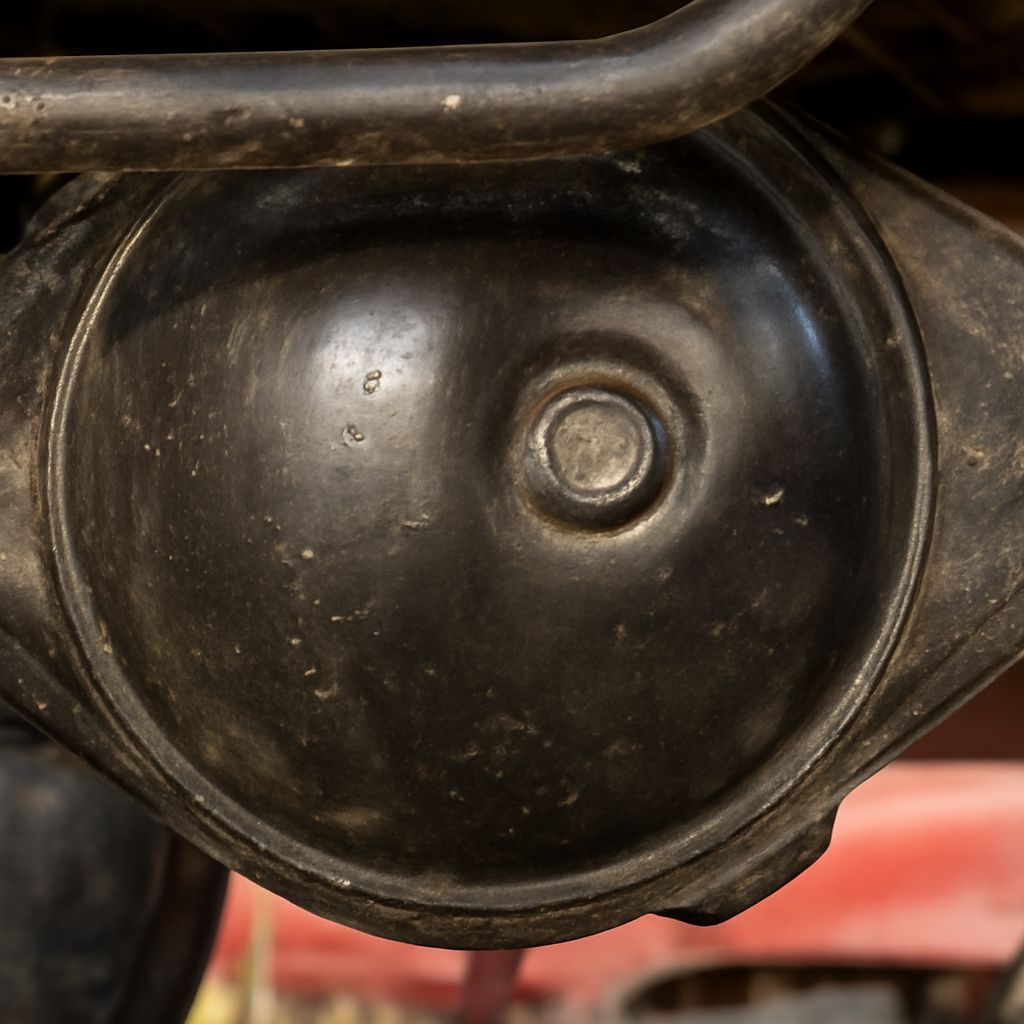
Labor may include removing a drain plug and refilling through a fill port. On some housings, access or the service procedure may call for removing the cover and resealing it. Ask which method the shop intends to use and whether a gasket, sealant, or replacement plug washer is included where needed. The price of a differential oil change can reflect that extra work. The more involved procedure can explain a higher labor charge; it should also produce a more detailed parts line.
A rear differential fluid change and a repair are separate decisions. If a seal is leaking, ask for the location, the proposed repair, and a separate price. If the shop finds damaged threads or a stuck plug, ask it to contact you before adding work. That keeps a routine estimate from becoming an open-ended authorization.
Identify the assembly before comparing prices
Start with the year, make, model, engine, drivetrain, and vehicle identification number. Tell the shop you want the rear axle identified on the estimate. A four-wheel-drive or all-wheel-drive vehicle may also have a front differential or a transfer case, each with its own service requirements. A quote for multiple units may be higher simply because it covers more work.
Ask whether the proposed rear differential service covers only the rear unit. If another shop has bundled front and rear work, request a breakdown by assembly. You can then compare the rear portion on equal terms and decide separately whether the other work is due.
The vehicle’s equipment matters, too. Axle designs and differential types can vary within a model line. Give the shop your VIN and ask it to identify the applicable configuration before ordering supplies. A convenient menu label is no substitute for knowing what is under the vehicle.
Match the lubricant and quantity to the vehicle
The estimate should identify the fluid’s viscosity and manufacturer specification, as well as the quantity the shop expects to use. If a product is listed as an equivalent, ask the shop to confirm that it meets the required specification for your axle. A familiar brand name alone does not tell you that.
Some configurations require an additive or a lubricant with particular friction characteristics. Ask whether the specified fluid already addresses that requirement or whether an additive is listed separately. The answer belongs to the vehicle and axle in question, not to every car with driven rear wheels.
For example, Ford’s 2024 F-150 owner’s manual lists different rear axle capacities and specifications by configuration. It also specifies a friction modifier for the Tremor Torsen front axle, illustrating why the correct axle matters. Use the section for the actual truck and axle; the table for one version is not a fill recipe for another.
A quote’s quantity may reflect how the shop sells fluid as well as the amount needed for the job. If it appears higher than the manual’s capacity, ask whether the charge is for full containers or the amount installed. Have the shop explain any additive and its place in the total. This makes the differential fluid replacement cost easier to compare without guessing why one materials line is larger.
Decide whether the work is due
Before a rear axle fluid change, look at the maintenance schedule for your exact vehicle and the conditions in which you drive. Towing, heavy loads, dust, or water exposure can matter when the manufacturer names them. Keep a record of mileage, dates, and previous work so the shop can distinguish a scheduled item from an unknown history.
The distinction is real. The 2024 Toyota Tacoma maintenance guide includes rear oil replacement under specified special operating conditions, including driving primarily while towing or heavily loaded. Ford’s F-150 manual, meanwhile, gives its own axle maintenance conditions, including submersion. Neither instruction establishes a universal interval for another vehicle.
If a shop recommends rear axle maintenance earlier than the schedule appears to require, ask what prompted the recommendation. A documented leak, water exposure, unusual noise, or uncertain history gives you something specific to discuss. Ask whether an inspection is needed first and what it will cost. A fluid change does not, on its own, diagnose or repair a mechanical fault.
Questions to settle before authorizing work
Ask the shop to put the scope in writing: which axle, fluid specification and quantity, draining or cover removal, sealing materials, labor, and all fees. Also ask whether the technician will check for leaks and whether that check is included. An inspection may reveal a separate issue, so agree on a call before additional repairs.
Afterward, keep the invoice with the date, mileage, fluid used, and work performed. When comparing estimates, a documented invoice makes the next conversation much easier than a receipt that says only “service.” It also gives another technician a useful account of what went into the axle.
Choose the quote that clearly matches your vehicle’s requirements and states the complete work you are authorizing.