Have you ever wondered what role a solenoid plays in your car and how it affects your driving experience? Understanding the function of a solenoid in a car is essential to maintaining a smooth and reliable ride. A car’s electrical system relies on several components, one of which is the car starter solenoid. This article will explore not only what a solenoid is but also how it works, common issues associated with it, and preventive measures to avoid problems like water in car systems.
What is a Solenoid in a Car?
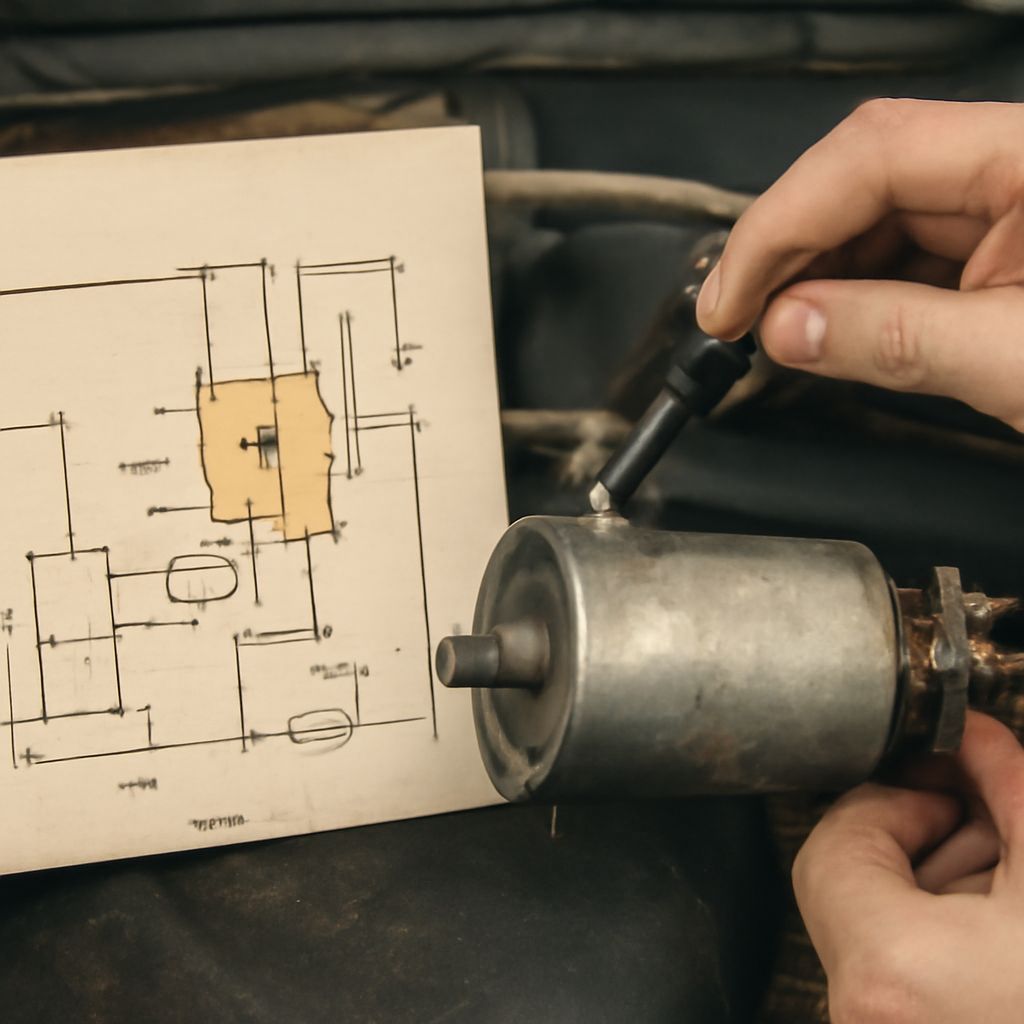
A solenoid in a car is an electromechanical device that converts electrical energy into mechanical action. It is typically responsible for initiating the engine’s start sequence. When the ignition key is turned, the solenoid receives a small electrical current, which triggers a larger current to start the engine. The car starter solenoid acts as a crucial link between the ignition system and the engine.
Car solenoids come in various forms, but their primary function remains the same: to control the flow of electrical current. Without a functional solenoid, a vehicle may not start or may experience intermittent starting issues, impacting the car’s reliability and performance.
How Does a Car Starter Solenoid Work?
The working principle of a car starter solenoid involves the use of a magnetic field. When the ignition key is turned, the battery sends a small electrical charge to the solenoid. This creates a magnetic field that pulls a plunger, completing the circuit for the starter motor. The starter motor then turns the engine over, allowing it to start.
Understanding how your car’s starter solenoid works can help diagnose problems when they arise. A failing solenoid may produce a clicking noise as it attempts to engage without success. Regular maintenance and paying attention to warning signs can prevent starter solenoid failures.
Common Solenoid Issues and Repairs
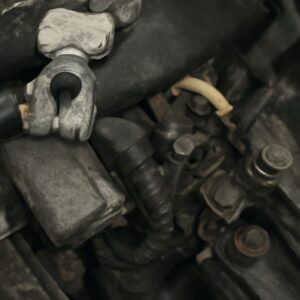
Among the most common issues with car solenoids are faulty wiring, corrosion, and mechanical wear. These can lead to poor electrical connections and result in a car that won’t start. If corrosion affects the solenoid terminals, cleaning the contacts may resolve the issue. In cases where the solenoid itself fails, replacement is often necessary.
Addressing common issues and how to fix them involves identifying symptoms early. Symptoms such as a starter motor that doesn’t engage, or intermittent starting, can indicate solenoid problems. Professional inspection and repair following standard automotive guidelines are advisable when tackling these issues.
Preventing Water and Other Damage in Your Car
Water in car systems can significantly impact electrical components, including the solenoid. It’s essential to prevent water and moisture from entering the engine compartment. Ensuring that seals and gaskets are in good condition can protect against water damage. Regular checks and maintenance can prevent water intrusion and extend the life of your car’s electrical components.
Moreover, keeping the engine compartment clean and free from debris can help prevent other types of damage. Avoiding harsh environments or regularly checking for signs of moisture can also reduce the risk of solenoid failure due to water damage.
Pro tips recap: To ensure your car solenoid operates optimally, understand its function and working principles. Regular maintenance and early diagnosis of issues like corrosion or mechanical wear are vital. Prevent water and debris from affecting the engine compartment to protect your vehicle’s electrical systems. Following these best practices can enhance your driving experience and avoid unnecessary repair costs.