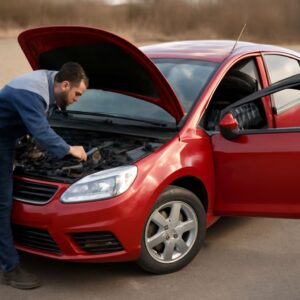
Is your car refusing to start and instead making a rapid clicking noise? This common issue can be perplexing and inconvenient, especially when you’re in a hurry. The problem often arises even when you have a new battery, leaving many drivers wondering, “Why won’t my car start clicking sounds persist, even after replacing the battery?” Understanding the underlying causes can help you address this issue effectively and get your car back on the road without unnecessary stress.
When your car won’t start and just clicks rapidly, it indicates an issue within the starting system. This sound is usually a sign that the starter motor is receiving insufficient electrical current. To solve this problem, one needs to identify the root cause, which might range from a faulty starter motor to issues within the electrical system or even a simple battery connection problem.
Understanding the Rapid Clicking Noise
The rapid clicking noise heard when trying to start the car is primarily due to the starter solenoid. The solenoid is a crucial part of the starting system; it engages the starter motor to crank the engine. When the solenoid receives insufficient power, it can cause a distinctive clicking sound without cranking the engine. This rapid clicking is often mistaken for a dead battery, but there are other potential causes.
It’s important to remember that starting a car requires a significant amount of power. Even with a new battery, car won’t start just clicks because issues such as corroded battery terminals or poor electrical connections can impede the flow of electricity needed to start your engine. Regular maintenance and inspections are key to preventing these issues.
Common Reasons Your Car Won’t Start and Just Clicks
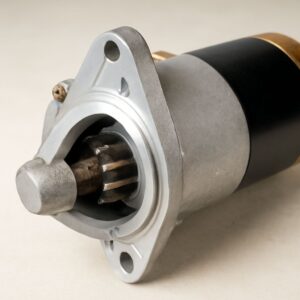
One of the most common causes of a clicking noise is a weak or discharged battery. Even when a new battery is installed, if the alternator is not charging as it should, the battery can quickly lose power. Another possibility is a faulty starter motor. A worn-out starter may not be able to crank the engine, leading to a clicking sound instead.
Additionally, electrical system issues such as blown fuses or damaged wires can also prevent the car from starting. If your car won’t start and just clicks, consider checking the integrity of the electrical circuits related to the starter system. Ensuring these components are in good condition is essential for reliable vehicle operation.
What to Do When a New Battery Car Won’t Start, Just Clicks
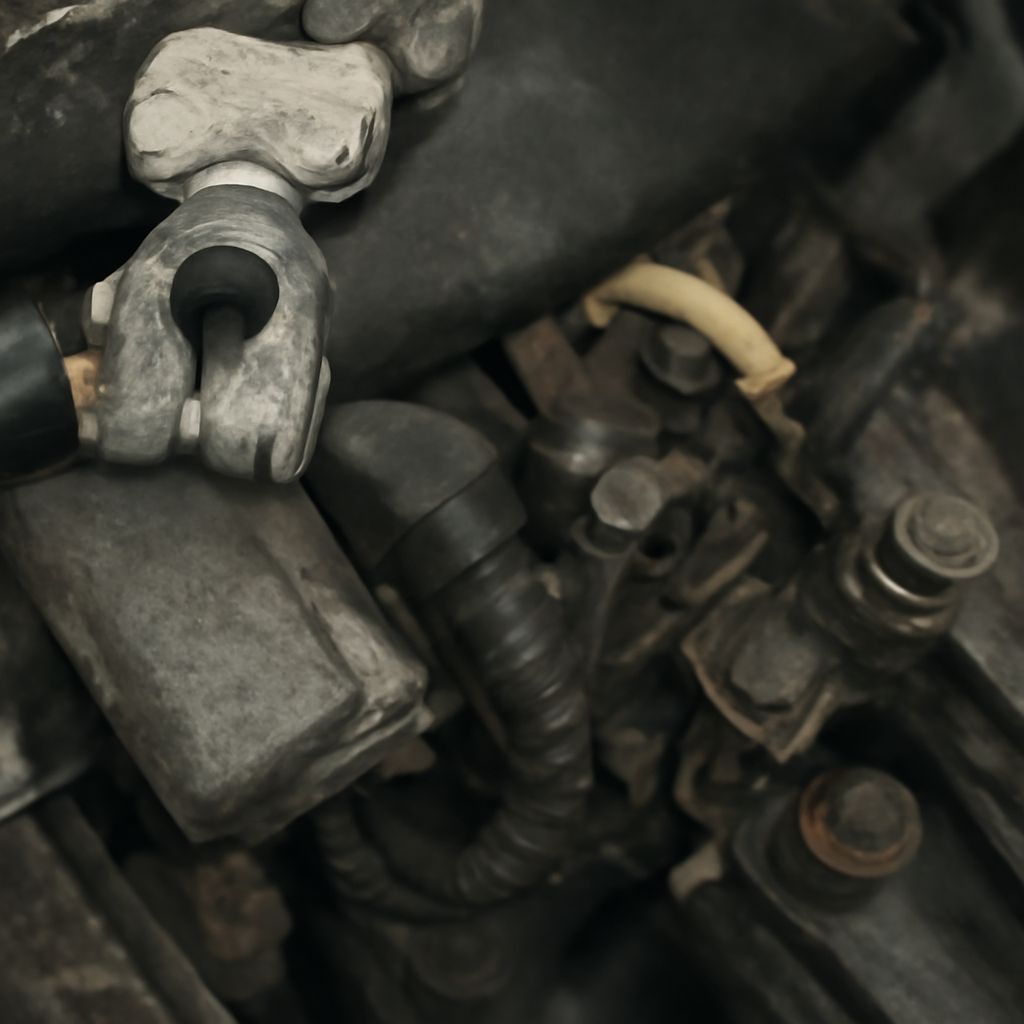
If your new battery car won’t start just clicks, start by checking the battery connections. Ensure that the terminals are clean and securely attached. Corrosion or loose connections can reduce the effectiveness of the battery, leading to starting issues.
If the connections are in good condition, the next step is to test the battery itself. A multimeter can be used to measure the battery’s voltage. A healthy car battery should read around 12.6 volts. If the battery is below this value, it may need charging or replacement. However, if the battery is charged and the car still won’t start, further investigation into the starter motor and related components is necessary.
Troubleshooting Tips for a Clicking Car
To troubleshoot when your car won’t start clicking sounds, first inspect the battery and its connections. Clean any corrosion and ensure the connections are tight. Use a battery charger if the battery voltage is low.
If the issue persists, examine the starter and associated wiring. Look for any signs of damage or wear. In some cases, tapping the starter lightly with a tool can temporarily alleviate the problem, allowing the engine to start.
Lastly, consider the vehicle’s ground connections. A poor ground can disrupt the electrical flow, leading to starting problems. Inspect and clean the ground connections as needed to ensure a reliable start.
Bottom line, when dealing with a car that won’t start and just clicks, a systematic approach to diagnosing and fixing the problem is crucial. By checking the battery, starter, and electrical connections, most drivers can resolve the issue and restore their vehicle’s functionality. Regular maintenance and attention to detail can prevent these frustrating occurrences and ensure a smoother driving experience.