Have you ever wondered what keeps your car’s electrical systems running smoothly? At the heart of it all is the alternator in a car. This crucial component ensures that your vehicle’s battery stays charged and all electrical systems function properly. But what does a car alternator do, and how can you recognize if it’s failing?
An understanding of your car’s alternator not only helps in maintaining your vehicle but also in ensuring its longevity. By knowing the role of the alternator, you can identify early signs of trouble and take prompt action. In this article, we explore the essential functions of the alternator, signs of potential issues, and the best practices for maintaining it.
Introduction to the Alternator in a Car
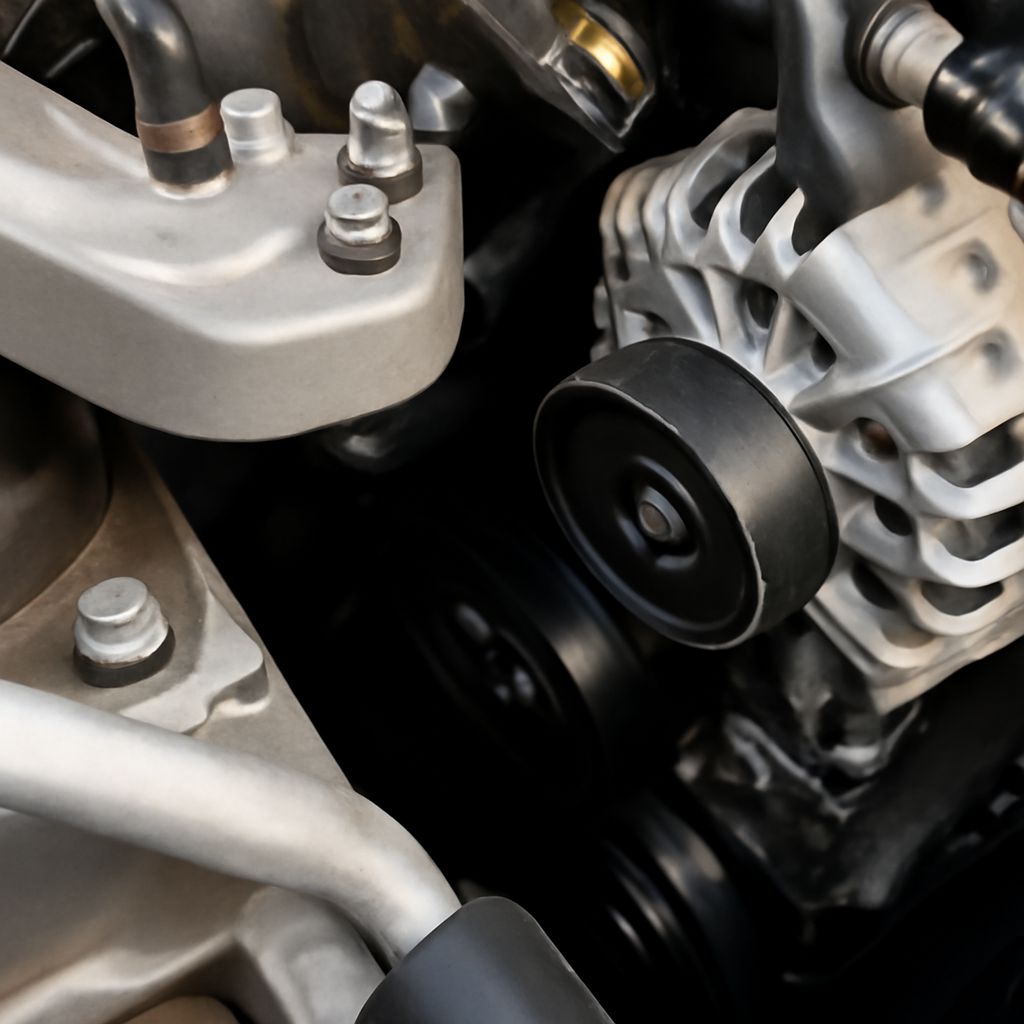
The alternator is a key component of a vehicle’s charging system. It is responsible for generating electricity to power the car’s electrical systems and recharge the battery while the engine is running. Without a functioning alternator, the battery would quickly run out of power, leaving the car unable to operate.
Alternators are belt-driven devices that convert mechanical energy into electrical energy. This process is vital for the operation of headlights, radio, air conditioning, and other electronic components during a drive.
What Does an Alternator Do in a Car?
The primary role of an alternator in a car is to keep the battery charged. As the engine runs, the alternator operates, providing the necessary voltage to replenish the battery. This ensures that the car alternator supports all electrical systems without depleting the battery’s charge.
Additionally, the alternator supplies power to essential systems such as the ignition and fuel injection, ensuring the vehicle operates efficiently. It helps maintain a balanced electrical load, making sure that all systems receive enough power even when multiple devices are in use.
Signs of a Failing Car Alternator
Identifying a failing alternator early can save you from the inconvenience of a breakdown. Common signs include dimming headlights, a dead battery, or unusual noises coming from the engine area. These are often the first indicators that the alternator in a car might be malfunctioning.
Another symptom is the illumination of the battery warning light on your dashboard. This light often indicates that the alternator is not generating enough power to keep the battery charged. If you experience these signs, it’s crucial to address the problem promptly to avoid further damage.
Maintaining Your Car’s Alternator
Regular maintenance is key to ensuring the longevity of your car’s alternator. Check the alternator belt for wear and tension, as a loose or damaged belt can impair its function. It’s also advisable to keep the alternator clean, as debris and dirt can affect its performance.
Periodic battery checks are also recommended. A faulty battery can overburden the alternator, leading to premature failure. By keeping these components in good condition, you ensure that your car alternator operates efficiently.
When to Seek Professional Help for Alternator Issues
While some maintenance tasks can be performed at home, it’s crucial to recognize when professional assistance is needed. If you suspect your alternator is failing, a certified mechanic can perform diagnostic tests to pinpoint the issue.
Professionals have the tools and expertise to address complex problems, ensuring that your vehicle is safe and reliable. Timely intervention can prevent minor alternator issues from escalating into costly repairs.
Key takeaways: The alternator is essential for powering your car’s electrical systems and maintaining battery charge. Recognizing signs of alternator failure and performing regular maintenance can prevent potential issues. When in doubt, seek professional help to ensure your vehicle’s longevity and performance.