Have you ever stepped into your vehicle after a rainy night only to be greeted by an unpleasant, musty odor? If your car smells like mildew after rain, it is not just an inconvenience; it can indicate underlying issues that need addressing. This pervasive smell is often more than just a nuisance; it signifies moisture problems that could lead to more significant concerns if left unchecked. What steps can you take to eliminate these odors and prevent them in the future?
Understanding why your car might smell like mildew is the first step in addressing these issues effectively. Additionally, if you notice a situation where your car smells like antifreeze or even fails to start after a downpour, there are specific solutions to tackle these problems head-on.
Understanding Why Your Car Smells Like Mildew
Common Causes of Mildew Odors
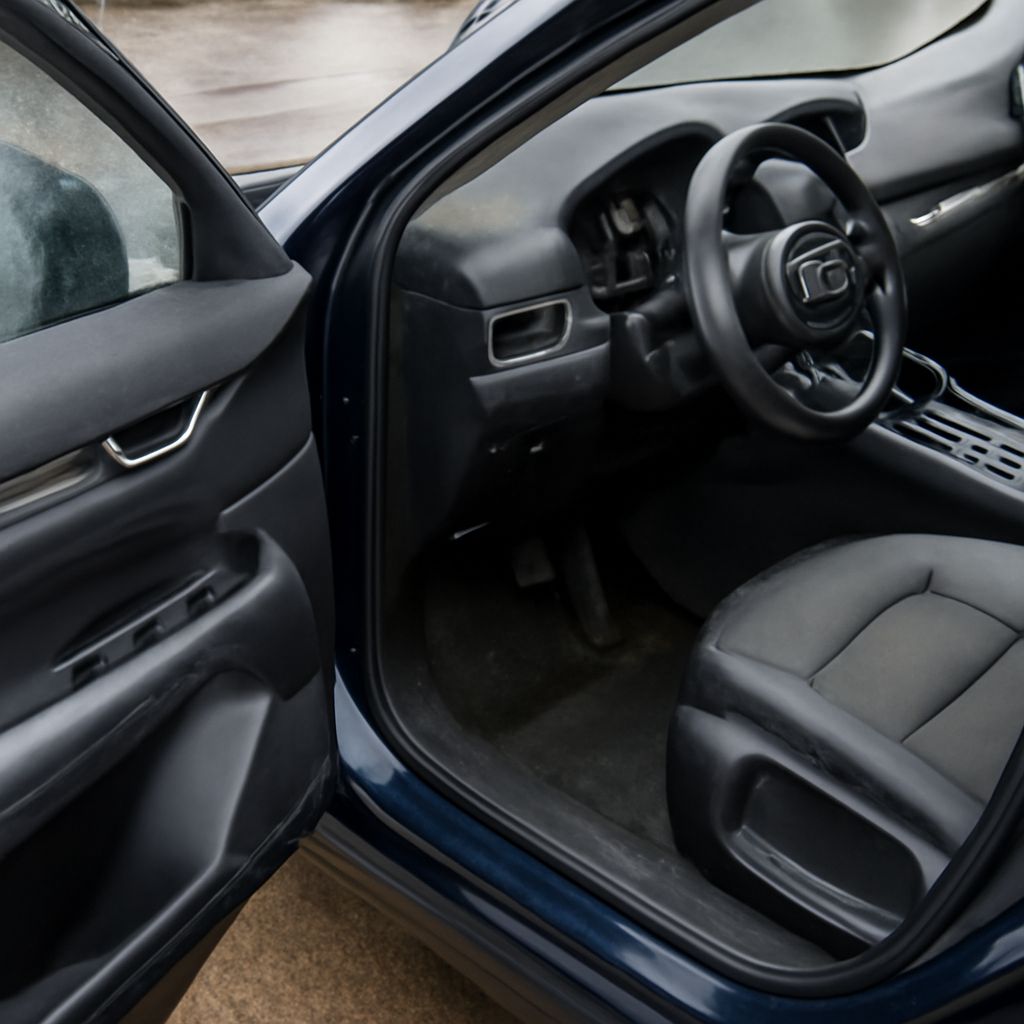
Mildew odors often stem from moisture that has found its way into the vehicle. A car smells like mildew after rain primarily due to leaks in the seals around windows, doors, or the sunroof. These leaks allow water to enter the cabin, especially during heavy rainfall, creating a damp environment perfect for mold and mildew growth. Car carpets and upholstery absorb moisture, which, if not dried promptly, leads to that musty smell.
The Role of Rain in Mildew Development
Rain exacerbates existing moisture issues by introducing water into areas where it shouldn’t be. Poor drainage can cause water to pool within the car’s body, which is a common reason your car smells like a damp basement after rainfall. Ensuring that drainage holes are clear can mitigate this problem and reduce the risk of odors developing.
Quick Fixes for a Mildew Smell
Eliminating Odors from the Interior
Removing the mildew odor involves thoroughly cleaning the car’s interior. Begin by drying out the affected areas using towels and airing out the car. An interior cleaner specifically designed for automotive use can help lift mold spores from upholstery and carpets. Activated charcoal or baking soda left in the car overnight can absorb odors effectively.
Preventative Measures to Keep Mildew Away
Prevention is key to keeping mildew odors at bay. Regularly inspect and maintain seals around windows and doors to ensure they are watertight. Using moisture-absorbing products can also help keep the interior dry. Parking in covered or protected areas during rainstorms can prevent water ingress and protect your car’s interior.
Dealing with a Car That Smells Like Antifreeze
Identifying Antifreeze Leaks
If your car smells like antifreeze, it often points to a leak within the cooling system. Antifreeze leaks can occur from a damaged radiator, a faulty hose, or a compromised heater core. The sweet, chemical odor is distinctive and should prompt immediate investigation to prevent engine damage.
Steps to Resolve Antifreeze Odors
Addressing an antifreeze leak involves inspecting the cooling system for visible signs of damage or wear. Replacing faulty components can prevent further leaks and the associated odor. Ensuring the cooling system is properly sealed and maintained is crucial for keeping antifreeze odors at bay.
What to Do When Your Car Won’t Start After Rain
Diagnosing Start-Up Issues
A car that refuses to start after rain might be dealing with moisture affecting the electrical systems. Water can infiltrate the engine compartment and disrupt critical components like the ignition system or battery. Investigating these areas for water damage or corrosion is essential in diagnosing the problem.
Fixing Common Problems
Once diagnosed, addressing start-up issues involves drying out affected components and replacing any that have been damaged beyond repair. Keeping the engine bay dry and ensuring all seals are intact can prevent future start-up issues. Regular maintenance checks can also preemptively address potential problems before they lead to start-up failures.