Have you ever experienced a frustrating morning when your car won’t start because it’s too cold? This common issue affects many drivers during the colder months, leaving them stranded and often late for work or other obligations. But why does cold weather have such a significant impact on your vehicle’s ability to start? Understanding the reasons behind these cold-weather troubles can help you troubleshoot and prevent future occurrences.
Cold weather starting issues often stem from several factors related to the car’s battery, fuel, and engine oil. By identifying and addressing these problems, you can better prepare your vehicle for winter and ensure it starts reliably, even on the coldest days.
Why Cold Weather Affects Car Starting
Cold weather can significantly impact a car’s starting ability due to several mechanical and chemical reasons. The most common is the effect of low temperatures on the car’s battery. Cold temperatures can slow down the chemical reactions within the battery, reducing its ability to generate the necessary power to start the engine. A car’s battery should be in good condition to handle these added challenges during winter.
Additionally, engine oil can thicken in cold weather, making it harder for the engine to turn over. Thicker oil means more resistance and less efficient lubrication, which can contribute to starting difficulties. Furthermore, cold temperatures can affect fuel systems, causing condensation in the fuel lines, which can freeze and block fuel flow.
Common Reasons Your Car Won’t Start in Cold Weather
Several specific issues can cause a car to not start in cold conditions. A weak or dead battery is among the most frequent culprits. If your car’s battery is older or has been struggling, the cold weather can exacerbate its inability to hold a charge.
Another common reason is the engine oil’s viscosity. If your oil is too thick due to low temperatures, it can prevent the engine from turning over smoothly. Using the right oil grade for winter conditions can help mitigate this issue.
The fuel system can also contribute to starting problems. If there is water in the fuel line, it can freeze and prevent fuel from reaching the engine. Regular maintenance and using fuel additives can help prevent this issue.
Easy Tips to Start Your Car in Cold Conditions
When facing a situation where your car won’t start cold, there are a few immediate steps you can take. Firstly, ensure your battery connections are clean and secure, as dirty or loose connections can reduce power delivery. If possible, keep your car in a garage to protect it from the extreme cold.
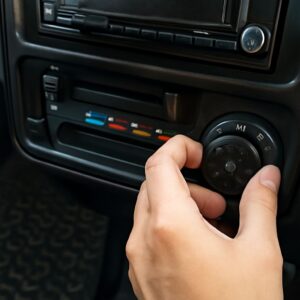
Another useful tip is to turn off all electrical accessories, such as the heater and radio, before starting the engine. This reduces the load on the battery, giving it a better chance to start the vehicle. You can also try “cycling” the key in the ignition a few times to help warm up the battery and fuel system.
Long-term Solutions to Prevent Cold Weather Starting Issues
Investing in long-term solutions can help ensure that your car won’t be too cold to start in the future. One effective measure is to install a battery warmer or engine block heater, which keeps the engine and battery at a more suitable temperature during cold weather.
Regular battery maintenance is also essential. Test your battery before winter to ensure it can hold a charge, and replace it if necessary. It’s wise to keep jumper cables or a portable jump starter in your car for emergencies.
Lastly, using synthetic oil can improve your car’s starting reliability in cold conditions. Synthetic oils tend to have better flow characteristics at lower temperatures, ensuring that the engine is properly lubricated during startup.
Pro tips recap: Cold weather affects car starting mainly due to battery and oil issues. Regularly check and maintain your battery, use the appropriate engine oil, and consider using a battery warmer. These steps can help prevent your car from being too cold to start, ensuring a smoother winter driving experience.