Have you ever wondered, “How cold should your car AC be?” On a sweltering day, ensuring your car’s air conditioning system is running optimally can be vital for comfort. However, understanding the ideal temperature for your car AC, or even why your car AC blows cold then warm, can be perplexing. Additionally, if your car AC is making noise, it might indicate underlying issues that need attention. This guide covers these common concerns and provides insights into using a car AC evaporator cleaner and whether the car should be running when adding oil.
Understanding How Cold Your Car AC Should Be
The optimal temperature for a car AC system typically ranges from 35°F to 45°F at the vent. This range ensures maximum cooling efficiency while preventing the system from freezing. Regular maintenance is crucial to keep your AC functioning within this range. If your vehicle fails to achieve these temperatures, it could be due to a refrigerant leak or a malfunctioning compressor.
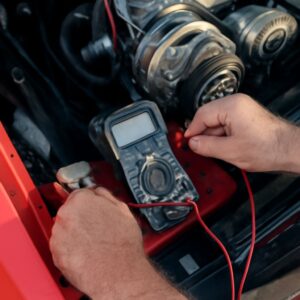
Ensuring the car AC is tuned correctly involves checking the refrigerant levels and inspecting the system for any blockages. These practices align with standard automotive service guidelines and can significantly extend the life of your AC system.
Dealing with Car AC Making Noise
When your car AC is making noise, it may indicate issues such as a worn-out fan belt or debris in the blower motor. Such noise can range from a slight hum to a loud squeal, each signifying different potential problems. Regular inspections and prompt repairs can prevent minor issues from escalating into costly repairs.
A professional technician can diagnose the source of the noise by listening for specific sounds and evaluating the system. Proper lubrication and timely replacement of worn components can often resolve these issues.
Why Your Car AC Blows Cold Then Warm
If your car AC blows cold then warm, it might be due to a faulty thermostat or a problem with the AC compressor clutch. This fluctuation can also be caused by a refrigerant leak, which often goes unnoticed until temperature inconsistencies become apparent.
Checking the AC system’s pressure levels and ensuring that all components are functioning correctly is essential. Regularly scheduled maintenance can help detect such problems early, ensuring your AC remains efficient and reliable.
Using a Car AC Evaporator Cleaner
Cleaning the car AC evaporator is vital for maintaining air quality and system efficiency. A car AC evaporator cleaner can effectively remove mold, mildew, and other contaminants that accumulate over time. This cleaning process not only improves air quality but also enhances airflow and cooling efficiency.
Professionals recommend using a non-abrasive cleaner specifically designed for automotive systems. Following the cleaner’s instructions ensures thorough cleaning without damaging system components.
Should the Car Be Running When Adding Oil?
When adding oil to your car, it is generally advisable that the engine be off to prevent accidents and ensure accurate oil level readings. The car should be on a level surface, and the engine should be cool to avoid burns and incorrect measurements. After adding oil, running the engine briefly can help circulate the new oil, ensuring optimal engine lubrication.
Following these precautions aligns with general automotive safety practices and helps maintain engine health by preventing overfilling and ensuring proper oil distribution.
Key takeaways: Maintaining your car’s AC system involves understanding ideal temperature settings, addressing noise issues promptly, and ensuring the system blows consistently cold air. Regular cleaning of the AC evaporator and careful oil addition practices are essential for optimal vehicle performance.