Ever found yourself repeatedly turning the ignition key, only to have your car hesitate to start but run fine once it’s up and going? Such scenarios can be frustrating, especially when you’re unsure of what causes a car hard to start. Understanding the underlying issues and potential solutions can help alleviate this stress and keep your vehicle running smoothly.
While many drivers experience a car hard to start at some point, the causes can vary significantly. From battery issues to ignition system failures, diagnosing the true cause can be tricky. Let’s explore what you should be focusing on to fix a hard to start car and maintain its reliability.
Understanding Why Your Car Struggles to Start
A car struggling to start is often indicative of underlying issues that need to be addressed promptly. The ignition process in a car is complex, involving various components such as the battery, starter motor, and ignition system. A malfunction in any of these parts can lead to starting problems.
Understanding the ignition system and how it interacts with other components is crucial. For instance, if the battery voltage is low, it may not supply enough power to the starter motor, leading to a hard to start car. Similarly, worn-out spark plugs can cause the engine to crank but not start effectively.
Common Causes of a Car Hesitating to Start but Running Fine
There are several reasons why a car hesitates to start but runs fine once the engine is going. One common cause is a weak battery. A battery with low charge may still have enough power to run the car’s electrical systems but struggle to start the engine.
Another frequent issue is fuel supply problems. If the fuel pump is failing or the fuel filter is clogged, the car may find it difficult to start but will run normally after a few attempts as fuel finally reaches the engine.
Diagnosing a Hard to Start Car: What to Look For
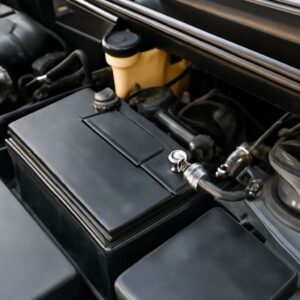
Diagnosing a hard to start car requires a methodical approach. Start by checking the battery charge and connections. Corroded terminals or loose connections can impede the current flow, making the car hard to start.
Next, inspect the ignition system. Faulty ignition coils or spark plugs can prevent the engine from igniting properly. Listening for unusual noises during startup can also provide clues about potential mechanical issues, such as a failing starter motor.
Quick Fixes for a Car Hard to Start
For some drivers, the solution to a car hard to start might be simpler than expected. Cleaning battery terminals and ensuring tight connections can often resolve the issue. Additionally, replacing worn-out spark plugs or a faulty fuel filter might improve starting efficiency.
In cases where the fuel system is suspected, using a fuel system cleaner can help remove deposits and improve fuel flow, making it easier for the car to start.
When to Seek Professional Help for a Hard to Start Car
While some issues can be addressed with DIY fixes, there are times when professional intervention is necessary. If a car continues to hesitate to start after basic troubleshooting, it may indicate more severe issues that require technical expertise.
Certified mechanics have the tools and knowledge to conduct comprehensive diagnostics, identifying problems that might not be evident to the average car owner. Seeking professional help can prevent further damage and ensure vehicle safety.
Safety Considerations and Legal Aspects
Ensuring that a car is in good working condition is not just a matter of convenience but also safety. A car hard to start can pose risks, such as stalling in traffic or during critical moments. Regular maintenance checks can mitigate these risks significantly.
From a legal perspective, maintaining a vehicle adequately is essential. Neglecting necessary repairs can result in penalties during vehicle inspections and could also void insurance coverage in certain situations.
Next steps: Regular maintenance and timely interventions are key to preventing a car from becoming hard to start. Engage in routine checks of the battery, ignition system, and fuel supply. When in doubt, consult a professional to ensure your vehicle remains dependable and safe.