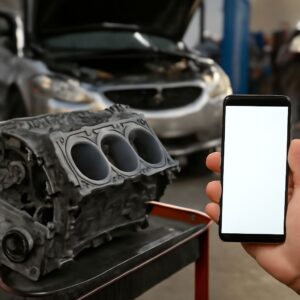
Why does a once-reliable vehicle suddenly start acting up? Vehicle owners are all too familiar with the frustration of car problems that seem to pop up at the most inconvenient times. Whether it’s the dreaded check engine light or mysterious noises emanating from under the hood, dealing with car issues is never fun. Understanding these car complaints can help in resolving your vehicle’s issues more efficiently.
With car complaints on the rise, it’s crucial to identify common problems and understand how to address them effectively. From diagnosing car issues to implementing the best strategies for resolution, this guide aims to provide a structured approach to keeping your vehicle running smoothly.
Identifying Common Car Problems
One of the first steps in tackling vehicle complaints is to identify the common car problems that many drivers face. These issues can range from simple maintenance oversights to more complex mechanical failures. Recognizing these problems early can prevent further damage and costly repairs.
Common issues include battery failures, brake problems, and transmission troubles. The battery is often a culprit when the car fails to start, while brake problems can manifest as squeaking or grinding noises. Transmission issues might be indicated by difficulty in shifting gears or unusual noises during acceleration.
Regular maintenance and inspection can help catch these issues before they escalate. Following a routine service schedule is essential in mitigating the risk of these problems becoming major complaints.
Diagnosing Car Issues Efficiently
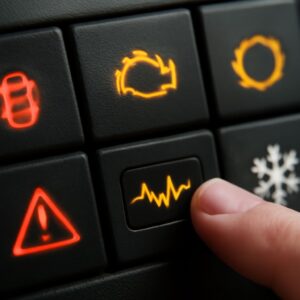
Efficient diagnosis of car issues is vital for timely and cost-effective repairs. The key is to be observant and proactive. Listen for unusual sounds, monitor any changes in performance, and respond promptly to dashboard warning lights.
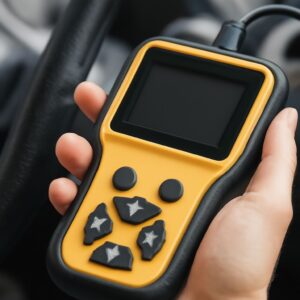
Using diagnostic tools and software can also aid in pinpointing the exact nature of car problems. These tools can read error codes from the vehicle’s onboard computer, providing insights into potential issues that may not be immediately visible.
Professional mechanics are trained to use these diagnostic tools efficiently, but understanding your vehicle’s basic diagnostic process can empower you to communicate more effectively with repair specialists. Keeping a log of symptoms and any recent changes in your vehicle’s behavior can also aid in a swift and accurate diagnosis.
Addressing Frequent Car Complaints
Once the car issues have been identified and diagnosed, addressing these complaints becomes the next crucial step. Solutions can range from simple DIY repairs to professional interventions, depending on the severity of the problem.
For minor issues like replacing a battery or changing brake pads, many vehicle owners find that these can be tackled with a bit of guidance and the right tools. However, more serious problems such as transmission repairs or engine diagnostics should be left to skilled professionals to ensure safety and efficiency.
Adhering to professional best practices in car repairs not only resolves the current issues but also helps in preventing future complaints. This includes using quality parts, following recommended service protocols, and maintaining thorough records of all repairs and maintenance activities.
Bottom line: Car complaints are an inevitable part of vehicle ownership, but understanding and addressing common car issues can minimize disruptions. Regular maintenance, efficient diagnostics, and adherence to professional repair standards are essential in keeping your vehicle in optimal condition.