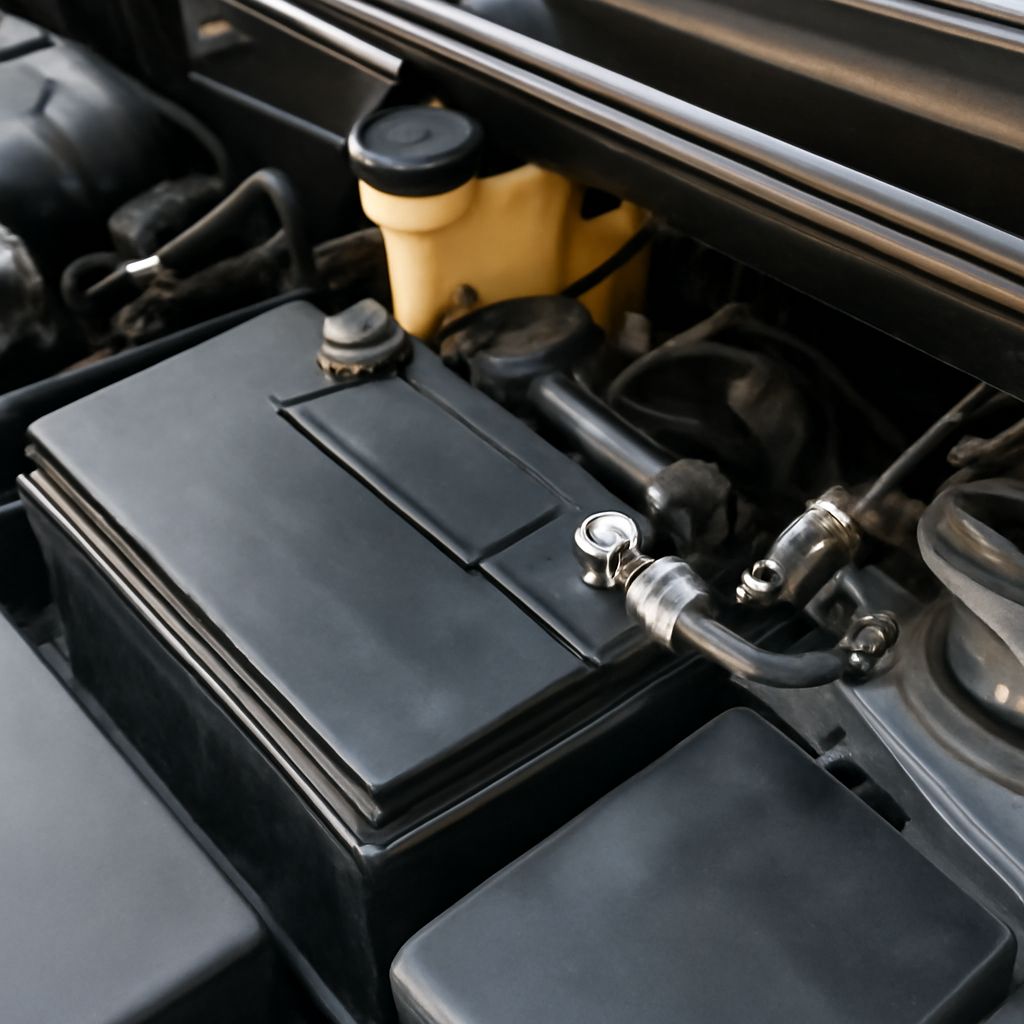
Have you ever wondered if a car can run without its battery, or if a car battery can recharge itself? These are common questions that arise when dealing with automotive maintenance and myths. Understanding the role of a car battery and its interaction with other components like the alternator is crucial for every car owner. Additionally, knowing the risks of running a car without coolant can prevent severe damage to your vehicle.
In this article, we delve into the specifics of car battery functionality, explore scenarios where a car might operate without a battery, and evaluate the potential dangers of such practices. We’ll also address whether a car battery can recharge itself and the implications of running a car with a bad alternator.
Understanding How a Car Battery Works
The Role of a Car Battery
A car battery is a vital component that provides the necessary power to start the engine and run electrical systems. It stores electrical energy and releases it to power the starter motor, ignition system, and other electronic components when the engine is off.
Battery Lifespan and Maintenance
The lifespan of a car battery typically ranges from three to five years, depending on usage and operating conditions. Regular maintenance, including checking for corrosion and ensuring clean connections, is essential to prolong its life and performance.
Can a Car Run Without a Battery?
Situations Where a Car May Operate Without a Battery
Technically, once a car engine is running, the alternator generates electricity and can keep the engine going. However, it is not advisable to run a car without a battery as it stabilizes the electrical system, preventing voltage spikes.
Potential Risks and Challenges
Running a car without a battery can result in electrical issues and damage to the alternator. A battery acts as a buffer, absorbing spikes and ensuring stable power delivery. Without it, sensitive electronics may suffer damage.