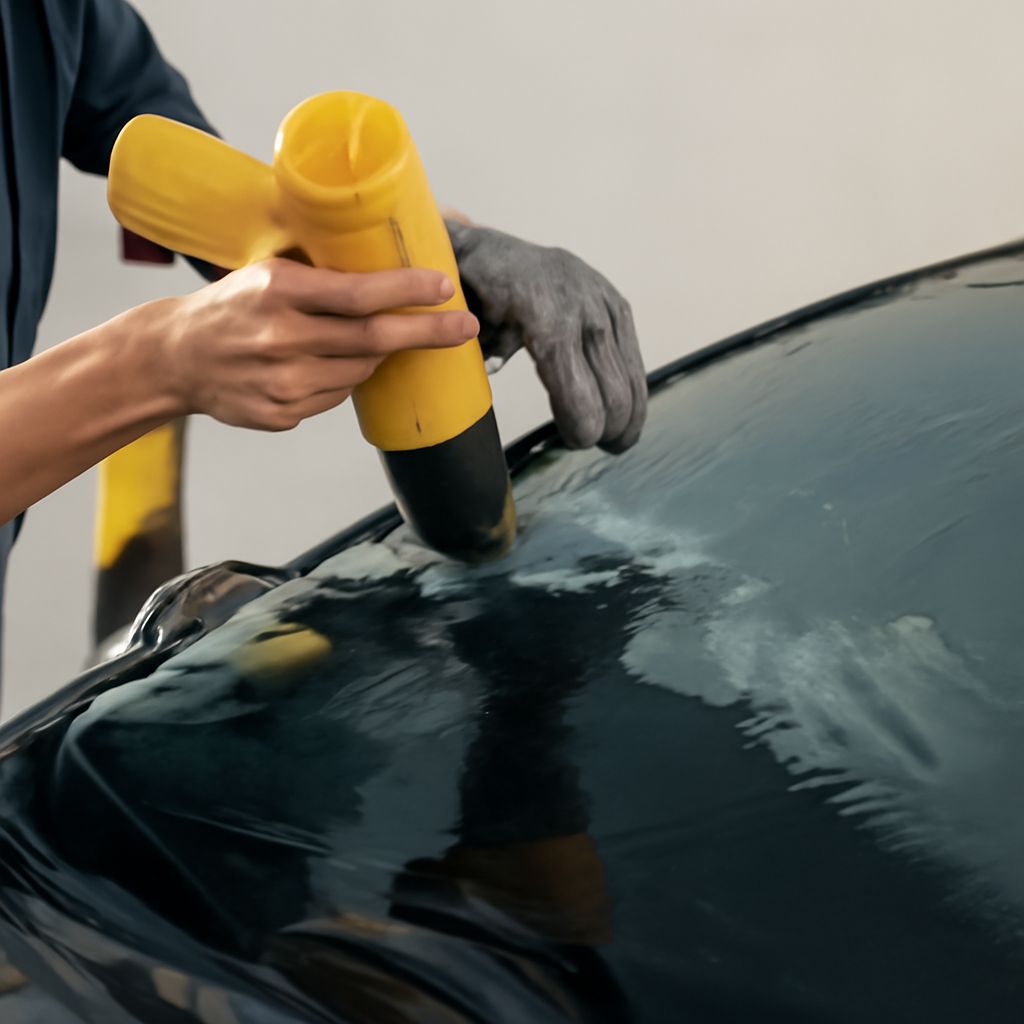
When contemplating the aesthetics and functionality of a vehicle, many ask, “Should I tint my car windows?” While window tinting offers benefits like privacy and sun protection, there may come a time when one opts to remove it. How to remove window tint from car windows efficiently and safely becomes a crucial task. Additionally, maintaining a vehicle extends beyond windows; understanding how to remove excess oil and manage small rust spots plays into the overall upkeep.
Understanding Window Tinting
Window tinting involves applying a thin laminate film to the glass surfaces of a car. This process is popular due to its ability to reduce glare, block harmful UV rays, and add a level of privacy. However, over time, the tint may bubble, fade, or violate regulatory standards, prompting the need for removal.
The adhesives used in tinting can become stubborn with age, making the removal process challenging. Understanding the type of tint and its adhesive is essential, as different methods may be needed to effectively remove window tint from car windows.
How to Remove Window Tint from Car Windows
To safely remove window tint, one can employ several techniques, such as using steam or ammonia-based solutions. Both methods aim to soften the adhesive and allow the film to peel away without damaging the glass.
- Steam Method: A handheld steamer can be used to heat the tinted area, loosening the adhesive. Once adequately steamed, the tint should peel off smoothly.
- Ammonia Method: Spraying an ammonia solution on the tint and covering it with a plastic bag can also loosen the adhesive. After allowing the solution to sit, the tint can be scraped off using a non-abrasive tool.
Regardless of the method, patience and care are crucial. Avoid using sharp tools or excessive force, which can scratch the glass. After removing the film, a thorough cleaning with soap and water will remove any residual adhesive.
Should I Tint My Car Windows?
Deciding to tint car windows involves weighing the benefits against potential drawbacks. Tinted windows can enhance privacy, reduce interior temperatures, and protect against sun damage. However, compliance with local laws is critical, as illegal tinting can lead to fines.
Consider also the potential for tint to degrade over time, which could necessitate eventual removal. Those questioning “Why should I tint my car windows?” may find that the advantages of aesthetics and functionality outweigh these concerns, provided the tint is applied professionally and legally.
Tips for Maintaining Your Car’s Shine
To preserve your car’s appearance, regular maintenance is key. Beyond window care, knowing how to remove excess oil and tackle small rust spots can make a significant difference.
- Oil Removal: Gently wash affected areas with a mild detergent. For tougher stains, a clay bar may be employed to absorb the oil without damaging the paint.
- Rust Spot Management: Light rust can be addressed with a mixture of baking soda and water or a commercial rust remover. Always finish with a protective wax to prevent further corrosion.
Keeping your car’s exterior in pristine condition not only enhances its look but also its longevity. Regular washing, polishing, and parking in shaded areas can protect the finish and keep it shining.
Next Steps: Regularly inspecting and maintaining window tints and the car’s exterior ensures the vehicle remains in excellent condition. Those confident in handling tint removal themselves will find the task manageable with the right tools and methods. However, consulting with professionals for both tinting and general car maintenance can further safeguard your vehicle’s appearance and compliance with local regulations.