Why is my car burning oil? It’s not uncommon for vehicle owners to encounter issues with oil consumption at some point. Understanding why your car is burning oil is crucial to maintaining its performance and avoiding costly repairs. Whether you suspect your car is leaking oil after an oil change or you’re dealing with a classic car’s oil needs, getting to the root of the problem is essential.
Oil burning can be a warning sign of deeper mechanical issues or simple maintenance oversights. Is your car’s oil consumption normal, or should you be concerned about what’s happening under the hood? Let’s explore the common reasons for oil burning, how to handle leaks after an oil change, and ways to ensure your car stops burning oil, even if it’s a classic model.
Understanding Why Is My Car Burning Oil
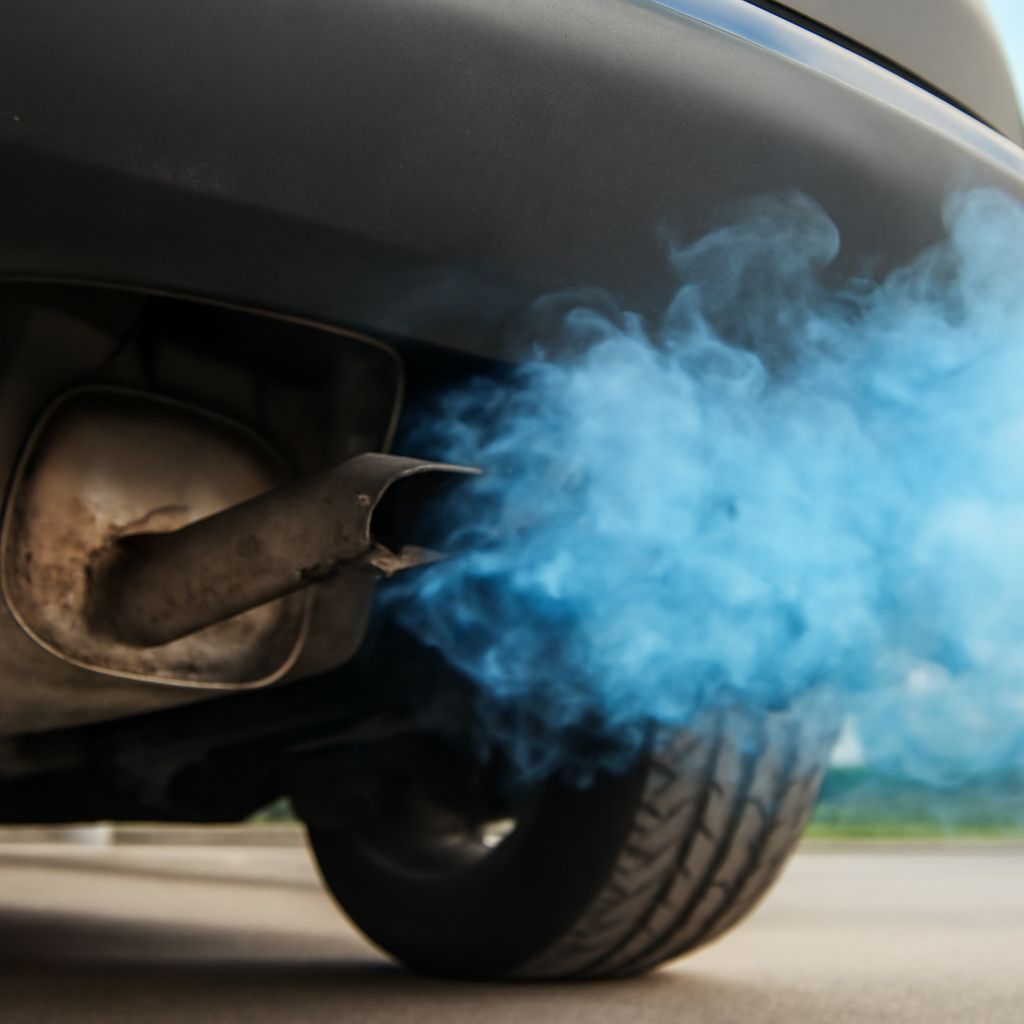
To determine the cause of oil burning, it’s important to first understand the process. An internal combustion engine uses oil to lubricate parts, reducing friction and wear. However, when oil finds its way into the combustion chamber, it burns alongside fuel, often producing blue smoke as a visible symptom. This can indicate issues like worn piston rings or valve seals.
Regularly checking oil levels and observing any changes in exhaust smoke can provide early clues to whether your car is burning oil. Accurate diagnosis is the first step in addressing these concerns before they escalate into more serious problems.
Common Reasons Your Car Is Burning Oil
One of the typical causes of a car burning oil is worn piston rings. These rings are vital for maintaining a seal between the pistons and cylinder walls, preventing oil from entering the combustion chamber. Over time, they can wear out, leading to increased oil consumption.
Another reason could be valve seal deterioration. Valve seals keep oil from leaking into the engine’s cylinders. When they degrade, oil can seep into the combustion area, burning along with fuel. Routine engine inspections can help catch these signs early before they develop into significant issues.
Addressing Car Leaking Oil After Oil Change
If you notice your car leaking oil after an oil change, it’s important to determine the cause quickly. A common issue could be an improperly installed or faulty oil filter, which may not be sealing correctly. Ensuring that the oil filter is correctly tightened and in good condition is crucial.
Another potential cause of leakage is an incorrectly fitted oil pan drain plug. This can sometimes happen during an oil change if the plug isn’t secured properly. Regularly inspecting these components and ensuring they are correctly installed can prevent leakage and subsequent oil loss.
How to Manage Classic Car Oil Needs
Classic cars often require different maintenance approaches compared to modern vehicles. Their engines are typically less efficient at preventing oil from entering the combustion chamber, which can lead to increased oil consumption.
For those who own classic cars, consistent maintenance and using the correct type of oil are crucial. Classic cars might benefit from using higher-viscosity oils to reduce the rate of burning and improve sealing in older engine designs. Regular checks and keeping an eye on oil levels are vital to their smooth operation.
Ensuring Your Car Stops Burning Oil
To stop a car from burning oil, regular maintenance is key. This includes timely oil changes, using the correct oil grade, and checking engine components like piston rings and valve seals for wear. Addressing any leaks promptly and ensuring engine components are functioning correctly will help reduce oil consumption.
Adopting preventive measures such as routine inspections can also aid in early detection of potential issues. Keeping an eye on warning signs like fluctuating oil levels and unusual exhaust smoke can prevent larger problems down the line.
Key takeaways: Understanding the reasons behind your car burning oil is essential for effective maintenance. Regular inspections and timely repairs can prevent further damage. By managing oil needs appropriately, especially for classic cars, you can ensure your vehicle remains in optimal condition.